
How to Organize Spices for Quick Access and Freshness
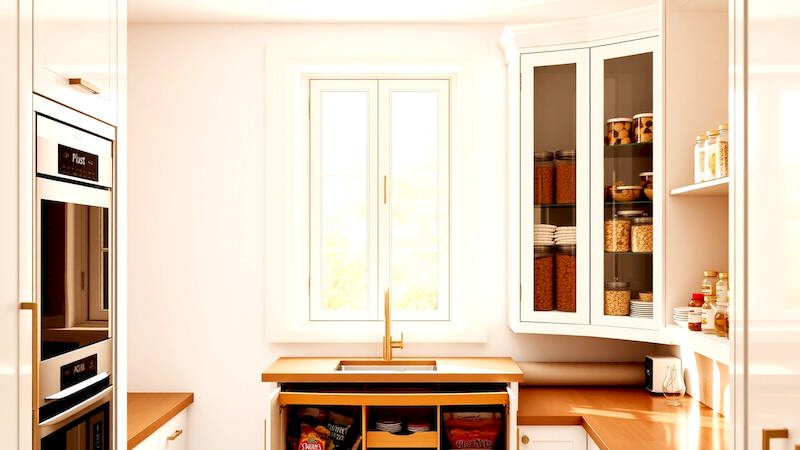
The kitchen pantry, often hailed as the heart of the home, can quickly descend into chaos. Among the usual suspects – canned goods, baking supplies, and snack overflows – lies a particularly tricky area: the spice collection. A disorganized spice rack isn't just aesthetically displeasing; it directly impacts your cooking experience. Spending precious minutes searching for oregano mid-recipe breaks your flow, and utilizing expired spices significantly diminishes the flavor of your dishes. Beyond the frustration and flavor impact, proper spice organization contributes to food waste reduction, saving you money and aligning with a more sustainable lifestyle.
Many home cooks underestimate the importance of spice organization, often treating it as an afterthought within broader pantry decluttering projects. Globally, the spice and seasoning market is a multi-billion dollar industry, projected to reach $24.85 billion by 2028 (Grand View Research, 2021). This demonstrates a clear passion for flavor, and maximizing that flavor hinges on keeping spices readily available and at their peak potency. We're not simply storing powders; we're safeguarding the essence of countless culinary creations.
This guide provides a comprehensive approach to spice organization, moving beyond simple alphabetization to consider factors like storage conditions, frequency of use, and personal cooking style. We will explore various methods, from simple drawer inserts to more elaborate shelving systems, and offer practical tips to ensure your spices are always within reach and bursting with flavor.
- Assessing Your Spice Collection: The Initial Purge
- Choosing the Right Storage Solution: Beyond the Revolving Rack
- Optimizing Jar Sizes and Labeling: Clarity is Key
- Location, Location, Location: Proximity to the Cooking Zone
- Maintaining Freshness: Protecting Your Spice Investment
- Beyond the Basics: Advanced Organization Techniques
Assessing Your Spice Collection: The Initial Purge
Before implementing any organizational system, a thorough assessment of your current spice collection is critical. This isn't just about decluttering; it's about understanding what you have, how much you have, and how fresh it is. Begin by pulling every spice from your current storage location - cabinets, drawers, racks – and placing them in a central location. This visual representation will immediately highlight duplicates, near-empty containers, and forgotten seasonings.
The next phase involves dating. Most spices don't “expire” in a way that makes them unsafe to consume, but they lose potency. Ground spices typically retain optimal flavor for 1-2 years, while whole spices can last 3-4 years. A simple way to date is to write the purchase date (or estimate if the original packaging is gone) directly on the jar with a permanent marker. Don't rely on "best by" dates – those often reflect quality, not safety. Discard any spices that have lost their aroma or flavor, even if they appear visually intact. A good test? Rub a small amount between your fingers and smell it; if it’s faint, it’s time to let it go. This initial purge can be surprisingly substantial, often reducing a collection by 20-30%.
Finally, categorize your spices based on usage. Do you bake frequently? Create a “baking spice” category. Are you a fan of Indian cuisine? Group those spices together. This initial categorization will dictate how you eventually arrange them, ensuring frequently used spices are easily accessible. Consider creating a "needs replacement" pile for spices you use regularly but are running low.
Choosing the Right Storage Solution: Beyond the Revolving Rack
The ideal spice storage solution depends on your kitchen layout, cooking habits, and personal preferences. The classic revolving spice rack, while visually appealing, often isn’t the most efficient. It can be difficult to see all the spices at once, and the front row often obscures the back. Drawer inserts are gaining popularity, offering a streamlined and space-saving solution. These inserts, often made of bamboo or plastic, allow you to lay spice jars flat, maximizing drawer space.
Another option is cabinet shelving, particularly adjustable shelves. You can customize the shelf height to accommodate different sized spice jars. Tiered shelves, which step upwards, are excellent for maximizing vertical space within cabinets. Magnetic spice tins that adhere to the refrigerator or a magnetic board offer a unique and space-saving solution, particularly for smaller kitchens. When selecting a storage method, prioritize visibility and accessibility. According to a kitchen design study by the National Kitchen and Bath Association (NKBA, 2022), 78% of homeowners consider maximizing storage space a high priority during kitchen renovations, showcasing the demand for efficient organizational solutions. Furthermore, consider the material – glass jars preserve flavor best, protecting spices from light and air, while metal tins are durable but can sometimes impart a metallic taste.
Optimizing Jar Sizes and Labeling: Clarity is Key
Standardizing your spice jar sizes is a game-changer. Using a variety of jars can create a visual mess and make it difficult to optimize storage space. Opt for uniform jars, ideally 4-8 oz in size, depending on how frequently you use each spice. Purchasing empty jars and transferring spices from their original packaging offers several benefits: it allows for standardization, ensures freshness, and creates a more aesthetically pleasing look. Remember to thoroughly dry the jars after washing to prevent clumping.
Labeling is paramount. A simple, clear label allows you to quickly identify spices without having to open each jar. Avoid elaborate calligraphy or fonts that are difficult to read. Use a label maker, pre-printed labels, or write directly on the jars with a permanent marker. Include the spice name and the date you purchased or filled the jar. For extra organization, consider color-coding labels based on spice categories (e.g., red for chili powders, green for herbs). “A well-labeled pantry isn't just organized, it's an invitation to cook," notes professional organizer Marie Kondo in her book, The Life-Changing Magic of Tidying Up. This highlights the psychological impact of a visually organized kitchen.
Location, Location, Location: Proximity to the Cooking Zone
The most efficient spice storage is located close to where you cook. Storing spices across the kitchen, or even in a separate pantry, defeats the purpose of organization. If you have a dedicated cooking island, the drawers or cabinets beneath it are ideal. Otherwise, the cabinet closest to the stove is the best option. Avoid storing spices near heat sources, such as the oven or stovetop, as this can accelerate flavor loss.
Consider creating a "working spice" area. This is a small, readily accessible collection of the spices you use most frequently. These spices can be stored in a small rack on the countertop or in a drawer pull-out for immediate access. The remaining spices can be stored in a more organized, less accessible location. This tiered system ensures your essential spices are always at your fingertips.
Maintaining Freshness: Protecting Your Spice Investment
Proper storage conditions are crucial for maintaining spice freshness. Spices are sensitive to light, air, heat, and moisture. Store spices in airtight containers, away from direct sunlight, and in a cool, dry place. Avoid storing spices above the stove, as the heat and humidity can quickly degrade their flavor.
To further preserve freshness, avoid sprinkling spices directly over steaming pots. The steam can introduce moisture and cause clumping. Instead, measure the spice into your hand or a small bowl before adding it to the dish. Periodically check your spice collection for signs of degradation—loss of aroma, faded color, or clumping. Replace spices as needed and remember to keep your labels updated with the purchase date. Regularly wiping down spice jars and racks prevents dust buildup and maintains a clean, organized appearance.
Beyond the Basics: Advanced Organization Techniques
For culinary enthusiasts with extensive spice collections, consider more advanced organizational techniques. A spice “library” – a dedicated drawer or cabinet organized alphabetically with meticulously labeled jars – can be incredibly efficient. Utilizing a database or spreadsheet to track your spice inventory can also be helpful, especially if you frequently experiment with new cuisines. Another innovative technique is to create spice blends – combining complementary spices to create custom flavor profiles. This reduces the number of individual spices you need to store and simplifies the cooking process.
Consider repurposing items for spice storage. Vintage tea tins, small mason jars, or even magnetic knife strips can be creatively adapted for spice organization. Ultimately, the best system is the one that works for you – one that is both functional and aesthetically pleasing.
Conclusion: A Flavorful Future
Organizing your spices isn't merely about tidiness; it's about enhancing your culinary experience, minimizing food waste, and maximizing flavor. By implementing a system that prioritizes accessibility, freshness, and clarity, you'll transform a chaotic spice collection into a well-curated pantry staple. Remember to assess, purge, store strategically, label meticulously, and maintain your system regularly. The initial effort will pay dividends in countless flavorful meals to come.
Start small – tackle one section of your spice collection at a time. Don’t be afraid to experiment with different storage solutions until you find what works best for your kitchen and cooking style. A well-organized spice rack is an investment in your culinary creativity and a testament to your commitment to flavorful, home-cooked meals. Now, go forth and spice things up!
References:
- Grand View Research. (2021). Spices and Seasonings Market Analysis Report By Product, By Application, By Region, And Segment Forecasts, 2021 – 2028. https://www.grandviewresearch.com/industry-analysis/spices-seasonings-market
- National Kitchen and Bath Association (NKBA). (2022). NKBA Kitchen Trends Report. https://nkba.org/learn/nkba-kitchen-trends
- Kondo, M. (2014). The Life-Changing Magic of Tidying Up: The Japanese Art of Decluttering and Organizing. Harmony.
Deja una respuesta