
How to Protect Antique or Sentimental Holiday Items in Storage
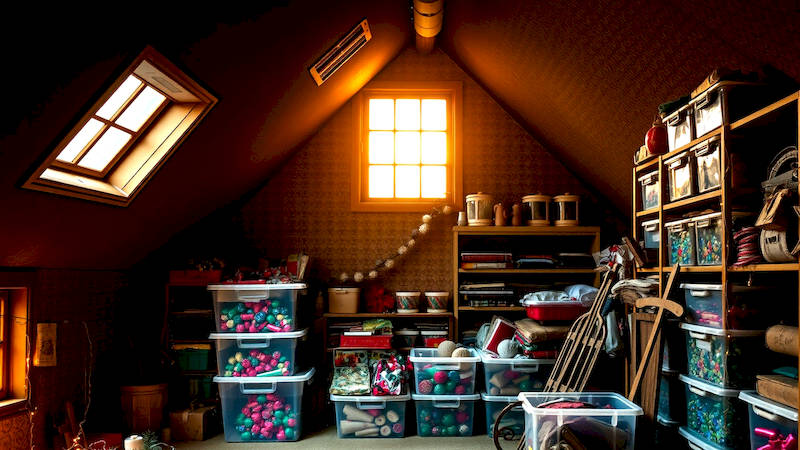
The holidays are steeped in tradition, and often those traditions are embodied in the decorations, ornaments, and heirlooms we carefully bring out each year. These aren’t simply objects; they’re tangible links to the past, vessels of cherished memories, and often, significant family history. But the very nature of holiday decorations – their seasonal use – necessitates a period of storage, and for antique or highly sentimental items, this storage period can be a source of anxiety. Improper storage can lead to irreparable damage, fading of precious colors, or even complete loss of these irreplaceable treasures.
Protecting these artifacts isn’t simply about preventing breakage. It’s about preserving the stories they hold, ensuring future generations can experience the same joy and connection. A proactive, thoughtful approach to storage is vital. This article will delve into the detailed steps you can take to safeguard your antique and sentimental holiday items, moving beyond basic packing tips to encompass environmental control, material-specific considerations, and preventative measures against common storage threats. Understanding the vulnerabilities of each item is the first step toward ensuring its longevity.
- Understanding the Enemies of Holiday Heirloom Preservation
- Choosing the Right Storage Location – Environment is Key
- Material-Specific Packing Strategies for Delicate Items
- Addressing the Risks of Pests and Environmental Degradation
- Detailed Documentation and a “Condition Report” System
- Long-Term Considerations: Re-Evaluating and Rotating Items
- Conclusion: Securing Your Holiday Legacy
Understanding the Enemies of Holiday Heirloom Preservation
Before diving into specific storage methods, it’s crucial to understand what degrades antique and sentimental holiday items over time. Beyond the obvious physical damage from impact, a host of insidious factors contribute to deterioration. Fluctuations in temperature and humidity are primary culprits. Seasonal changes can cause materials to expand and contract, leading to cracking, warping, and weakening of structural integrity. High humidity encourages mold and mildew growth, while low humidity can render materials brittle. Light exposure, even indirect light, contributes to fading and discoloration, particularly in delicate fabrics, paper, and painted surfaces.
Furthermore, certain materials have inherent vulnerabilities. Textiles like velvet and silk are prone to insect damage and deterioration from acidic environments. Metals can corrode, and glass can become clouded or fragile. Even seemingly innocuous cardboard boxes can release acids that harm delicate items. Knowing these vulnerabilities allows you to tailor your storage approach. For example, a vintage glass ornament requires very different care than a handmade wooden nutcracker. According to a study published by the American Institute for Conservation of Historic and Artistic Works, “preventative conservation is considerably more cost-effective than restoration, making proactive storage a critical component of long-term preservation.”
Choosing the Right Storage Location – Environment is Key
The location you choose for storing your treasured holiday possessions is arguably the most important factor. The ideal storage space is cool, dark, dry, and consistently climate-controlled. Basements and attics are often the first places people consider, but they frequently present significant challenges. Basements are notoriously prone to moisture and flooding, while attics experience extreme temperature swings. Avoid both if possible. If these are your only options, invest in robust waterproofing measures for basements and ensure adequate ventilation and insulation in attics.
A dedicated closet, spare room, or even a carefully selected area within a temperature-controlled garage can be far better choices. Consider the airflow in the space; good ventilation helps to prevent mold and mildew growth. Storage units can be an option, but selecting a climate-controlled unit is essential, and ongoing monitoring of the conditions within the unit is recommended. Continuous temperature and humidity data loggers (readily available online for under $50) offer peace of mind and provide documentation in case of any damage claims. Remember, a stable environment is paramount – minimizing fluctuations is far more important than achieving a perfectly “ideal” temperature.
Material-Specific Packing Strategies for Delicate Items
Generalized packing instructions aren't sufficient when dealing with valuable or sentimental items. Different materials require specific handling and protection. For delicate glass ornaments, individually wrap each one in acid-free tissue paper, ensuring no two ornaments touch. Then, nestle them within partitioned cardboard boxes, or better yet, plastic containers with removable dividers. Avoid newspaper; the ink can transfer and cause damage. For fragile porcelain figures, use the same acid-free tissue paper wrapping and partition the boxes with foam padding.
Textile-based items, like vintage tree skirts or handmade stockings, need to be protected from insects, dust, and light. Store them in acid-free archival boxes or wrapped in unbleached muslin cloth. Avoid plastic garment bags, as they can trap moisture and contribute to mildew. Metallic ornaments require special attention to prevent corrosion. Lightly coat them with a thin layer of Renaissance Wax – a microcrystalline wax specifically designed for museum conservation. For paper-based items like vintage postcards or greeting cards, archival sleeves and folders are crucial. Never use self-adhesive albums or plastic sleeves, as these can eventually damage the paper.
Addressing the Risks of Pests and Environmental Degradation
Pests are a constant threat to stored items, particularly textiles and organic materials. Regular cleaning of the storage area is essential to remove dust and potential food sources. Consider using mothballs or cedar blocks, but be aware of the potential for lingering odors. For a more environmentally friendly approach, introduce pheromone traps to monitor and control insect populations. Regularly inspect stored items for any signs of pest activity – droppings, webbing, or damage to materials. Early detection is key to preventing a full-blown infestation.
Beyond pests, combating environmental degradation requires proactive measures. Silica gel packets can absorb excess moisture, helping to maintain a stable humidity level within storage containers. Replace or reactivate these packets regularly, as they become saturated. UV-filtering window films can help to block harmful light exposure if storage is in a room with windows. And crucially, never store items directly on the floor; elevate them on pallets or shelves to protect against potential water damage.
Detailed Documentation and a “Condition Report” System
Preserving the history of your holiday items is just as important as preserving the items themselves. Create a detailed inventory of everything you’re storing, including photographs, descriptions, and any known provenance (history of ownership). This inventory will be invaluable for insurance purposes and for identifying items in the future. But go a step further and create a “condition report” for each item.
Document any existing damage – cracks, chips, fading, repairs – with photographs and written descriptions. This establishes a baseline for future assessment. As you unpack each year, compare the item's condition to the original report. This highlights any new damage that may have occurred during storage, allowing you to address it promptly. A spreadsheet or digital document works well for this purpose, and you can include columns for item name, description, date of storage, initial condition, and current condition. This practice transforms passive storage into an active process of preservation.
Long-Term Considerations: Re-Evaluating and Rotating Items
Storage isn’t a static process. It requires periodic re-evaluation and maintenance. At least once a year, preferably during a dry season, open storage containers and inspect items for any signs of deterioration, pests, or mold. Rotate items if possible – bringing some items out for display even outside the holiday season can help to prevent prolonged exposure to storage conditions.
Consider also that some items may be better suited for display than prolonged storage. If you have particularly fragile or historically significant pieces, explore options for displaying them in a protected environment, such as a museum-quality display case. Ultimately, protecting antique and sentimental holiday items is a long-term commitment that requires diligence, knowledge, and a genuine appreciation for the stories they hold.
Conclusion: Securing Your Holiday Legacy
Protecting antique and sentimental holiday items in storage is a multifaceted endeavor, extending far beyond simply finding a spare box. It requires understanding the environmental threats, material vulnerabilities, and adopting proactive measures to mitigate these risks. A cool, dark, and climate-controlled environment is paramount, alongside material-specific packing strategies. The use of acid-free materials, pest control measures, and detailed documentation – including condition reports – are crucial for long-term preservation.
The key takeaways are: prioritize stable conditions, tailor your approach to the specific materials, and view storage not as a passive act but as an active process of care. By investing the time and effort to properly protect these treasures, you’re not just safeguarding ornaments and decorations; you’re preserving a tangible connection to the past and ensuring that cherished memories continue to brighten future holidays for generations to come. Start today by conducting a thorough assessment of your current storage practices and implementing the steps outlined in this article – your family’s holiday legacy deserves nothing less.
Deja una respuesta