
Implementing Zone Organization: Sweeteners, Grains, and Snacks
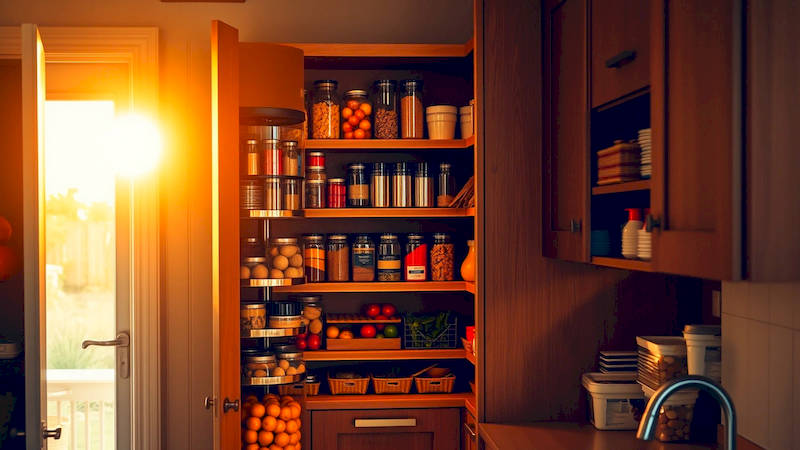
The kitchen pantry and cabinets: often the battleground of chaotic cooking, expired ingredients, and endless searching. Let's face it, most of us treat these spaces as dumping grounds rather than organized systems. This disorganization isn’t just frustrating; it impacts our time, money, and even our eating habits. The solution isn't necessarily more space, but smarter space. Zone organization, a method of grouping like items together, is a powerful tool to reclaim control. When implemented thoughtfully, it transforms pantries and cabinets from sources of stress into efficient, user-friendly areas. This article will focus on implementing zone organization specifically for three key pantry categories: sweeteners, grains, and snacks, providing a detailed guide to creating a functional and aesthetically pleasing kitchen space.
The core principle of zone organization is proximity and functionality. Instead of scattering ingredients across your pantry, you designate specific areas for related items. This means everything you need for baking will be together, breakfast items grouped, and snack supplies easily accessible. It’s a system designed around how you cook and live, rather than just stuffing items onto shelves. This approach minimizes wasted time searching for ingredients, reduces food waste by ensuring visibility, and ultimately promotes a more enjoyable cooking experience. Successful zone organization means considering the frequency of use, the size of your family, and personal preferences.
This isn’t a one-size-fits-all solution. The ideal organization scheme will vary based on individual needs and kitchen layouts. However, the principles remain consistent. We’ll explore how to define these zones for sweeteners, grains, and snacks, covering everything from initial decluttering to choosing the right storage containers and maintaining the system long-term. Let’s move beyond simply knowing what to organize and dive into the how, transforming your pantry into a haven of streamlined efficiency.
- Defining the Sweetener Zone: Beyond Sugar and Honey
- Crafting the Grains & Flours Zone: A Foundation for Delicious Meals
- Mastering the Snack Zone: Tackling Temptation and Accessibility
- Beyond Containers: Labeling, Maintenance, and Adaptability
- Maximizing Vertical Space & Utilizing Door Storage
- Troubleshooting Common Pantry Problems
Defining the Sweetener Zone: Beyond Sugar and Honey
The sweetener zone frequently becomes a sticky situation, literally and figuratively. It's more than just sugar and honey; it encompasses a range of products from granulated and powdered sugars to maple syrup, molasses, agave nectar, stevia, and even artificial sweeteners. Planning this zone necessitates considering usage frequency and storage requirements – liquids vs. solids, dry goods prone to clumping, and overall accessibility. The goal is to create a system that prevents sticky spills from ruining other items and keeps everything easily identifiable.
The initial step in setting up a dedicated sweetener zone is a thorough declutter. Check expiration dates (many sweeteners have a surprisingly long shelf life, but it’s important to verify), discard anything past its prime, and consolidate partially used containers. Then, analyze your actual sweetener consumption – do you bake frequently, requiring multiple types? Or are you a minimalist, opting for only one or two? This assessment dictates the necessary size and layout of the zone. For frequent bakers, a dedicated tiered shelf organizer can maximize vertical space and keep different types of sugar separate. A lazy Susan is also exceptionally useful for accessing sweeteners at the back of a deep cabinet.
For liquid sweeteners like honey, maple syrup, and molasses, contain them in drip-proof containers or on a designated tray to prevent sticky messes. Consider decanting larger containers into smaller, more manageable jars for everyday use. Label everything clearly! "Powdered Sugar," "Brown Sugar," "Maple Syrup – Real Grade A" – this avoids confusion and ensures everyone in the household uses the correct ingredient. Finally, position the sweetener zone relatively close to baking supplies or your primary cooking area to streamline the cooking process.
Crafting the Grains & Flours Zone: A Foundation for Delicious Meals
Grains and flours, the building blocks of countless meals, require a thoughtfully designed zone. This extends beyond simple wheat flour to encompass all-purpose, bread, cake, whole wheat, gluten-free blends, rice (white, brown, wild), quinoa, oats, pasta, and even cornmeal. Proper organization here safeguards freshness, prevents pest infestations, and makes it easy to find the right grain for any recipe. Considering the volume of many grain products, adequate storage and accessibility are paramount.
Start by assessing your grain consumption and prioritizing based on frequency of use. Grains used weekly should be within easy reach, while those used less often can be placed on higher or lower shelves. The absolute cornerstone of a successful grains zone? Airtight containers. Storing grains in their original packaging is a recipe for pantry moths and stale ingredients. Invest in clear, airtight containers – glass or BPA-free plastic – and meticulously label each one with the type of grain and the date of purchase. This practice extends shelf life and allows for easy tracking. A study by the USDA found that properly stored grains can maintain quality for significantly longer periods in airtight containers compared to original packaging.
To maximize space and visibility, consider using stackable containers and shelf organizers. A tiered spice rack can be repurposed for smaller bags of quinoa or rice. Grouping similar items – all flours together, all rices together – further enhances organization. Finally, locate the grains zone near your cooking area or baking station, ensuring easy access when preparing meals.
Mastering the Snack Zone: Tackling Temptation and Accessibility
The snack zone, often the busiest area in the pantry, presents a unique set of organizational challenges. We're dealing with a wide variety of shapes, sizes, and packaging – chips, crackers, granola bars, fruit snacks, nuts, seeds, and more. The primary goals here are to make healthy options visible and accessible, discourage mindless snacking on less-nutritious choices, and prevent a chaotic jumble of wrappers. It's about striking a balance between convenience and mindful consumption.
Begin by categorizing your snacks. Separate them into healthy options (fruit, nuts, seeds, granola bars with whole grains) and treat items (chips, cookies, candy). Designate separate sections within the snack zone for each category. For families with children, consider placing healthier snacks at eye-level and in easily accessible locations. Treats can be reserved for higher shelves or tucked away in less prominent spots. Utilize clear bins or baskets to contain loose snacks like granola bars, crackers, and individual chip bags. Labeling the bins – "Granola Bars," "Fruit Snacks," "Savory Snacks" – adds an extra layer of organization.
Furthermore, consider portioning out snacks into individual servings to encourage mindful consumption and prevent overeating. Utilize reusable snack bags or small containers. This is especially beneficial for children's snacks. Regularly assess and rotate snacks, bringing older items to the front and discarding anything expired. A well-organized snack zone isn't just about aesthetics; it's about promoting healthier eating habits and reducing food waste.
Beyond Containers: Labeling, Maintenance, and Adaptability
While airtight containers and designated zones are crucial, effective pantry organization doesn’t end there. Consistently labeling is absolutely essential, going beyond just the content, include "Best By" dates. A uniform labeling system – using a label maker or consistent handwriting – creates a clean and organized aesthetic. Regular maintenance is equally important. Schedule a quick pantry check every week to tidy up, discard expired items, and restock frequently used ingredients.
A key element of long-term success is adaptability. Your needs will change over time – dietary preferences shift, family size fluctuates, new recipes are introduced. Be willing to reassess and adjust your organization system as needed. If a current setup isn’t working, don't hesitate to experiment with different arrangements. The goal is to create a pantry that supports your lifestyle, not dictates it. A pantry reflecting the user's habits, rather than forcing them to conform is the most successful.
Maximizing Vertical Space & Utilizing Door Storage
Don’t underestimate the power of vertical space. Adjustable shelving is a game-changer, allowing you to customize shelf heights to accommodate different container sizes. Shelf risers are also incredibly useful, creating additional layers and maximizing visibility. Beyond the shelves themselves, consider utilizing the back of your pantry door. Over-the-door organizers with clear pockets are perfect for storing smaller items like spice packets, individual snack bags, or baking supplies.
Troubleshooting Common Pantry Problems
Even with a well-planned system, challenges can arise. Pest infestations are a common concern. To prevent them, store all grains and flours in airtight containers, regularly clean the pantry, and check for any signs of infestation. Another frequent issue is overcrowding. If your pantry feels perpetually full, it’s time to declutter again and reassess your storage needs. Finally, if family members aren't adhering to the organization system, involve them in the process. Explain the benefits and encourage their cooperation.
In conclusion, implementing zone organization for sweeteners, grains, and snacks is a powerful investment in your kitchen's functionality and your overall well-being. It’s about more than just aesthetics; it's about saving time, reducing waste, and promoting healthier habits. Begin with a thorough declutter, invest in airtight containers, clearly label everything, and maintain the system regularly. Remember, adaptability is key – be willing to adjust your organization scheme as your needs evolve. By following these guidelines, you can transform your pantry from a source of stress into an organized, efficient, and enjoyable space – the sweet spot of kitchen organization. The actionable first step? Choose one of these zones today and begin the process. The benefit to your cooking life and peace of mind will be immeasurable.
Deja una respuesta