
Installing a Shoe-Drying Station to Keep Your Mudroom Clean and Dry
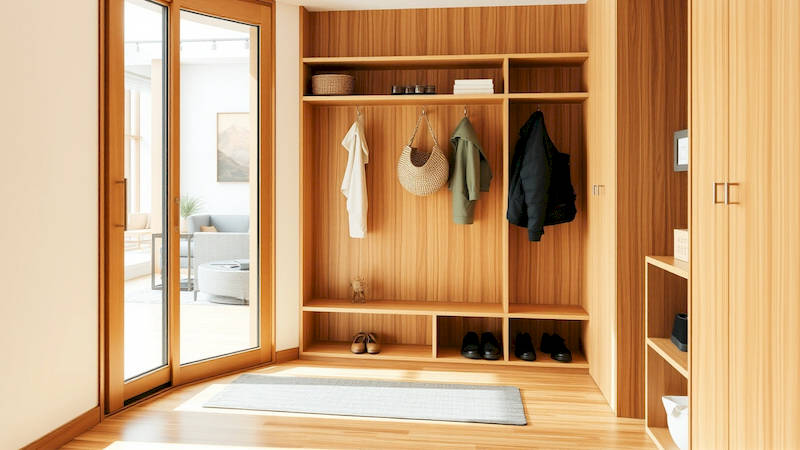
The mudroom. It’s the unsung hero of the home – the landing pad for muddy boots, wet coats, and all the gear that comes with an active life. But often, it’s also a breeding ground for unpleasant odors, bacteria, and even mold. A significant contributor to these issues? Wet shoes. Allowing shoes to remain damp fosters a perfect environment for microbial growth and contributes to a messy, unsanitary space. Installing a shoe-drying station isn’t just about convenience; it’s an investment in your home’s cleanliness, your family’s health, and the longevity of your footwear. This article will comprehensively guide you through the process, from understanding the benefits to choosing the right system and implementing it effectively.
Beyond the purely functional, a persistently damp mudroom can subtly impact your indoor air quality. Mold spores, released from damp shoes and flooring, can circulate throughout your home, potentially triggering allergies and respiratory issues. According to the EPA, maintaining indoor humidity levels between 30-50% is crucial for preventing mold growth, and controlling moisture sources – like wet shoes – is a key component of that. A shoe-drying station isn’t merely about tidiness; it's about proactively managing a potential health hazard. Furthermore, consistently drying shoes significantly extends their lifespan, saving you money on replacements in the long run.
This guide will delve into the specifics of selecting and installing the ideal shoe-drying solution for your needs, covering everything from simple DIY options to sophisticated automated systems. We’ll also explore the importance of ventilation and preventative maintenance to ensure a long-lasting, effective solution for a cleaner, drier, and healthier mudroom. Whether you're dealing with snow boots in the winter, hiking shoes year-round, or simply trying to combat daily dampness, a dedicated shoe-drying station is a game-changer.
- Understanding the Core Benefits of a Shoe-Drying Station
- Exploring Different Types of Shoe-Drying Solutions
- Installation and Setting Up Your Shoe-Drying Station
- Integrating Ventilation for Optimal Results
- Maintenance and Preventing Common Issues
- Conclusion: A Drier, Healthier Home Starts at the Door
Understanding the Core Benefits of a Shoe-Drying Station
The primary benefit of a shoe-drying station is, obviously, the elimination of moisture. However, the advantages extend far beyond just dry feet. Thoroughly drying shoes helps prevent the deterioration of materials like leather, canvas, and synthetic fabrics, significantly extending their lifespan. Constant exposure to moisture causes materials to break down, leading to cracks, weakening, and ultimately, the need for replacement. A dedicated drying solution proactively combats this process. Imagine the cost savings over several years, particularly for families with multiple active members who regularly use outdoor footwear!
Beyond material preservation, a dry interior dramatically reduces the presence of odor-causing bacteria. Bacteria thrive in damp, dark environments, and shoes are a prime location for their growth. These bacteria are responsible for the unpleasant smells often associated with worn footwear. Properly drying shoes inhibits bacterial growth, resulting in fresher-smelling shoes and, consequently, a fresher-smelling mudroom. Moreover, the reduction in moisture and bacterial load creates a less hospitable environment for mold and mildew, protecting your home from potentially harmful fungal growth.
A key often-overlooked benefit is maintaining the structural integrity of the shoe itself. Constant moisture cycles – drying and being re-wetted – put a lot of stress on the adhesives and components that hold a shoe together. This stress can lead to soles separating, stitching coming undone, and overall structural failure. A controlled drying process, unlike leaving shoes to dry haphazardly, minimizes this stress, ensuring your shoes remain structurally sound for longer. This is particularly important for expensive footwear like hiking boots or specialized athletic shoes.
Exploring Different Types of Shoe-Drying Solutions
The market offers a diverse range of shoe-drying solutions, varying significantly in price, features, and complexity. At the simplest end of the spectrum are passive drying methods – shoe racks designed for optimal airflow and absorbent materials like newspaper or shoe trees to draw out moisture. These are the most affordable options and require no electricity but are also the slowest and least effective, particularly for heavily saturated shoes. They rely entirely on ambient air circulation and can take several days to fully dry footwear.
Moving up in sophistication, we encounter electrically powered shoe dryers. These typically utilize gentle heat to accelerate the drying process. Options range from simple boot dryers that insert into the shoe and circulate warm air, to more complex systems with multiple attachments for drying several pairs simultaneously. These dryers generally take between 2-6 hours to fully dry shoes, depending on the level of saturation and the dryer's power. Consider models with adjustable thermostats to prevent overheating and damage to delicate materials. Oztent, a popular camping brand, for instance, offers boot dryers designed for outdoor enthusiasts but equally applicable in a home mudroom setting.
Finally, there are automated shoe-drying cabinets. These are the most expensive option but offer the highest level of convenience and efficiency. They often feature built-in timers, temperature controls, and even UV sanitation to eliminate bacteria and odors. These cabinets circulate warm air throughout the shoes for even drying and typically complete the process in 1-3 hours.
Installation and Setting Up Your Shoe-Drying Station
Regardless of the chosen solution, careful planning and installation are crucial for maximizing its effectiveness. The ideal location for your shoe-drying station is within the mudroom, close to the entry point, to encourage immediate use. Ensure the area is well-ventilated to prevent moisture buildup in the surrounding space. If you’re using an electrically powered dryer, choose a location with a readily accessible power outlet. Avoid extension cords if possible, and if necessary, use a heavy-duty extension cord rated for the dryer’s wattage.
For simple drying racks, the installation is minimal – simply assemble the rack and position it in the desired location. For electrically powered dryers, ensure proper grounding and follow the manufacturer’s instructions carefully. When connecting a boot dryer, ensure the tubes are securely inserted into the shoes and that the dryer is stable and won't tip over. With automated cabinets, placement is generally straightforward, but consider the cabinet's dimensions and ensure sufficient space for air circulation around it.
Crucially, consider the flooring material under the shoe-drying station. If it's a porous surface like wood, a waterproof mat is essential to protect against potential water damage. Regular inspection of the area around the dryer for any signs of moisture buildup is also recommended.
Integrating Ventilation for Optimal Results
A shoe-drying station is most effective when coupled with proper mudroom ventilation. The goal is to remove the humid air released during the drying process, preventing it from lingering and potentially causing mold growth. Natural ventilation, through opening windows and doors when weather permits, is a simple and effective solution. However, this isn’t always practical, especially during cold or humid weather.
Mechanical ventilation, such as an exhaust fan, provides a more reliable solution. Install an exhaust fan in the mudroom ceiling or wall to actively remove moist air. Ensure the fan is properly vented to the outside and is of sufficient capacity for the size of the mudroom. Consider a fan with a humidity sensor that automatically activates when moisture levels rise. Many modern smart home systems allow you to integrate ventilation control with your shoe-drying station, automatically initiating ventilation when the dryer is in operation.
Furthermore, ensuring adequate general ventilation throughout the house helps prevent localized humidity buildup in the mudroom. Regular air changes bring in fresh, dry air and expel stale, moist air. This holistic approach, combining localized drying with broader ventilation, creates a healthier and more comfortable home environment.
Maintenance and Preventing Common Issues
Maintaining your shoe-drying station is essential for long-term reliability and optimal performance. Regularly clean the dryer to remove dust and debris, following the manufacturer’s instructions. For electrically powered dryers, check the power cord for damage and ensure all connections are secure. For automated cabinets, periodically wipe down the interior surfaces with a mild cleaning solution. Neglecting maintenance can lead to reduced efficiency, potential fire hazards, and ultimately, premature failure of the unit.
A common issue is overheating, particularly with electrically powered dryers. Always use a dryer with an adjustable thermostat and avoid leaving shoes drying unattended for extended periods. Another issue is unpleasant odors developing within the dryer itself. Regularly disinfect the dryer with a mild antibacterial spray to prevent bacterial growth. Finally, inspect shoes before placing them in the dryer to remove any loose debris or dirt which can clog the unit and reduce its effectiveness. Careful attention to these simple maintenance tasks will ensure your shoe-drying station remains a valuable asset for years to come.
Conclusion: A Drier, Healthier Home Starts at the Door
Investing in a shoe-drying station for your mudroom isn't simply a matter of convenience; it's a proactive step towards a cleaner, healthier, and more organized home. From preserving the lifespan of your footwear to mitigating potential health risks associated with mold and bacteria, the benefits are numerous and far-reaching. Whether you opt for a simple, passive drying rack or a sophisticated automated cabinet, the key is to choose a solution that aligns with your needs, budget, and lifestyle.
Remember that effective shoe-drying is best paired with good ventilation practices. By removing moisture from the mudroom environment, you prevent the development of unhealthy conditions and create a more comfortable living space. Finally, prioritize regular maintenance to ensure your shoe-drying station remains a reliable asset for years to come. Taking this proactive approach to mudroom organization will not only improve the functionality of this often-overlooked space but also contribute to the overall health and well-being of your family. So, take the first step towards a dry foot forward and transform your mudroom into a welcoming, organized, and healthy entry point for your home.
Deja una respuesta