
Labeling Techniques That Help Kids Identify and Return Toys
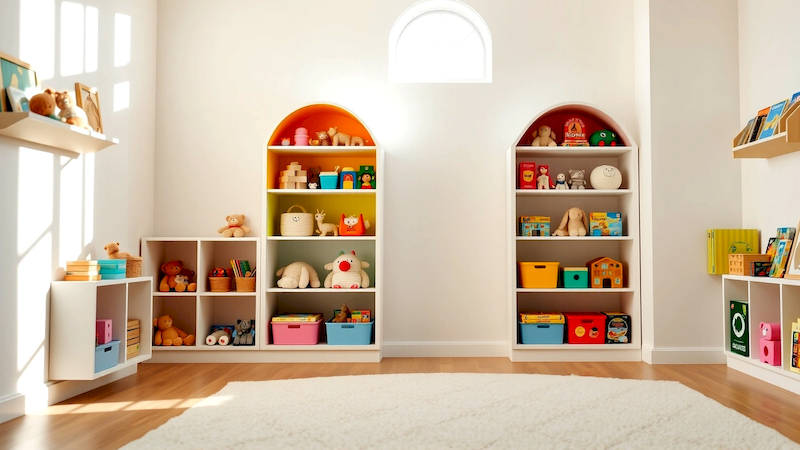
The battle against toy clutter is a universal parent struggle. Beyond the sheer volume of playthings, a key component of a consistently organized kids’ room isn't just having storage, it's ensuring children can independently maintain that organization. Often, the missing piece isn't better bins, but a robust labeling system. Many parents view labeling as an extra step, a ‘nice-to-have’ rather than a need-to-have. However, effective labeling dramatically improves a child’s ability to participate in cleanup, reduces frustration for both parents and kids, and can actually encourage more thoughtful play. This isn't just about aesthetics; it's a key element in fostering responsibility and building life skills.
A properly implemented labeling system isn’t simply stuck-on words. It’s age-appropriate, visually clear, and consistently utilized. It’s about transforming a chore into a manageable task that empowers kids. The effort invested upfront in creating a thoughtful labeling strategy pays dividends, not only in a tidier playroom, but in a more harmonious home environment. Consider this – a study by the National Association of Professional Organizers (NAPO) indicated that families who regularly engage children in organizing tasks report higher levels of household cooperation and reduced stress.
This guide will delve into the most effective labeling techniques, catering to different ages and learning styles, to help you create a system that truly works, turning the seemingly insurmountable challenge of toy organization into a manageable and even enjoyable experience. We'll explore strategies beyond basic text labels, and discuss how to integrate labeling into a broader system of teaching responsibility and independence.
- Understanding Age-Appropriate Labeling Strategies
- Beyond the Label Maker: Creative Labeling Materials and Methods
- Strategic Placement: Where Labels Make the Most Impact
- Integrating Labeling with Cleanup Routines & Positive Reinforcement
- Troubleshooting Common Labeling Challenges
- Expanding the System: Labeling Beyond Toys
Understanding Age-Appropriate Labeling Strategies
The most crucial aspect of successful toy labeling is tailoring the method to your child’s developmental stage. What works brilliantly for a five-year-old will be completely ineffective for a two-year-old, and potentially frustrating for both of you. For toddlers (ages 2-3), the focus should be on visual cues. Forget words – think pictures! Use clear, brightly colored images representing the contents of each bin. Photographs of the actual toys inside are exceptionally effective, as they are directly relatable. Keep it simple; one image per bin is ideal to prevent confusion.
As children enter the preschool years (ages 4-5), you can begin introducing a combination of pictures and simple words. Choose legible fonts and avoid cursive or overly stylized lettering. Consider color-coding alongside the labels – assign a color to each category (e.g., blue for blocks, red for cars) and incorporate that color into the label itself. This reinforces the connection and provides an additional visual cue. This phase is also a great time to involve your child in the labeling process, letting them help pick out the pictures or even practice writing the words (with your guidance, of course).
Finally, for school-aged children (6+), you can transition to mostly word-based labels. They now have the reading skills to understand and utilize them independently. Encourage them to participate in creating the labels, brainstorming categories and writing the words themselves. You can also introduce more sophisticated organization methods, such as detailed lists within the bins (e.g., "LEGO – Star Wars characters," "LEGO – Baseplates").
Beyond the Label Maker: Creative Labeling Materials and Methods
While a label maker is a convenient tool, relying solely on it can limit your creativity and effectiveness. Think outside the box when it comes to labeling materials. For a rustic or themed room, consider using chalkboard labels; they add a charming aesthetic and are reusable. Fabric labels sewn onto bin liners are ideal for soft toys or larger storage solutions. Clear contact paper is a fantastic option for creating durable, waterproof labels that can be easily changed.
A particularly engaging method, especially for younger children, is to use paint or permanent markers directly on the bins themselves. This provides a hands-on crafting activity that reinforces the labeling system. You can also utilize printable sticker paper to create custom labels with unique designs. The key is to choose materials that are durable, clearly visible, and appropriate for the bin surface. Consider the overall aesthetic of the room; labels don’t have to be just functional – they can contribute to the room’s décor.
Don’t underestimate the power of repurposing materials. Old magazines, cardboard boxes, and even paint chips can be creatively transformed into labels. This not only saves money but also promotes sustainability and resourcefulness. Remember that legibility is paramount. Avoid using colors that blend into the bin, and ensure the label is large enough to be easily read from a distance.
Strategic Placement: Where Labels Make the Most Impact
The placement of your labels is just as important as the labels themselves. Labels should be positioned consistently on each bin – ideally on the front and at a height that allows children to easily see and understand them. For very young children, placing labels at their eye level is crucial. Avoid placing labels on the bottom of bins, as they won't be visible when stacked.
Consider the overall layout of the room. Group similar items together and label accordingly. For example, all art supplies should be in one area, clearly labeled with categories like "Crayons," "Markers," and "Paint." The more logical and intuitive the organization, the easier it will be for children to maintain it. Furthermore, use directional labeling. If the bin’s opening indicates a specific way items should be stored, a small arrow or icon can be added to the label to provide extra guidance--for example, an arrow pointing down on a bin full of building bricks.
A key element often overlooked is consistency. Once you establish a placement system, stick with it. Moving labels around will only confuse children and undermine the effectiveness of the system. Regularly review the labels and update them as needed – toy collections evolve, and your labeling system should evolve with them.
Integrating Labeling with Cleanup Routines & Positive Reinforcement
Labeling isn't a standalone solution; it's most effective when integrated into a broader system of cleanup routines and positive reinforcement. Designate specific cleanup times each day, even if it's just for 10-15 minutes. Make it a family affair – participate alongside your children to model the desired behavior. Instead of simply telling them to "clean up," give specific instructions: “Please put the cars back in the ‘Cars’ bin.”
Positive reinforcement is essential. Praise your child’s efforts, even small ones. Avoid criticism or scolding. A simple "I noticed you put all the blocks away! That's fantastic!" can go a long way. Consider creating a reward chart with stickers for consistently participating in cleanup. This turns a chore into a positive experience.
Dr. Laura Markham, author of Peaceful Parent, Happy Kids, emphasizes the importance of framing cleanup as teamwork and making it a fun activity. She suggests turning it into a game – "Let's see who can put away the most toys in two minutes!" – or playing music to create a more upbeat atmosphere. Remember, the goal is to foster a sense of responsibility and cooperation, not to enforce strict rules.
Troubleshooting Common Labeling Challenges
Despite your best efforts, you’ll likely encounter challenges. A common issue is children ignoring the labels altogether. This often stems from a lack of initial training. Spend time teaching your child how to use the labeling system, demonstrating how to find and return toys to their designated bins. Be patient and consistent.
Another challenge is labels falling off or becoming damaged. Invest in durable labeling materials and reapply labels as needed. You can also consider laminating labels for added protection. If a child consistently misplaces toys despite clear labels, re-evaluate the bin arrangement – the location might not be intuitive enough.
Finally, be prepared to adapt your system as your child grows and their needs change. What works at age four may not work at age seven. Regularly assess the effectiveness of your labeling system and make adjustments as necessary. The key is to remain flexible and responsive to your child’s evolving abilities.
Expanding the System: Labeling Beyond Toys
The principles of labeling can be extended far beyond the toy room. Labeling dressers, bookshelves, and even kitchen cabinets can help children develop organizational skills and a sense of responsibility throughout the house. Assigning each child their own labeled drawers or shelves in their room fosters ownership and encourages them to maintain their belongings.
This expanded approach promotes a culture of organization within the entire home, creating a more peaceful and functional living environment. It teaches children that organization isn’t just about putting things away; it’s about creating a system that makes life easier and more efficient. For example, label bins for craft supplies, art projects, or even seasonal clothing.
In conclusion, successful toy labeling is more than just sticking a name on a bin. It’s a thoughtfully implemented strategy that empowers children to take ownership of their belongings, fosters independence, and reduces household stress. By understanding age-appropriate techniques, utilizing creative materials, strategically placing labels, integrating labeling with cleanup routines, and being prepared to troubleshoot challenges, you can create a system that transforms your child's room from a chaotic mess into an organized oasis. The key takeaways are consistency, adaptability, and positive reinforcement. Start small, focus on one area at a time, and celebrate every success. This isn't just about decluttering a room; it's about building life skills that will benefit your child for years to come.
Deja una respuesta