
Maintaining Decluttered Living Rooms: Daily Habits for Long-Term Order
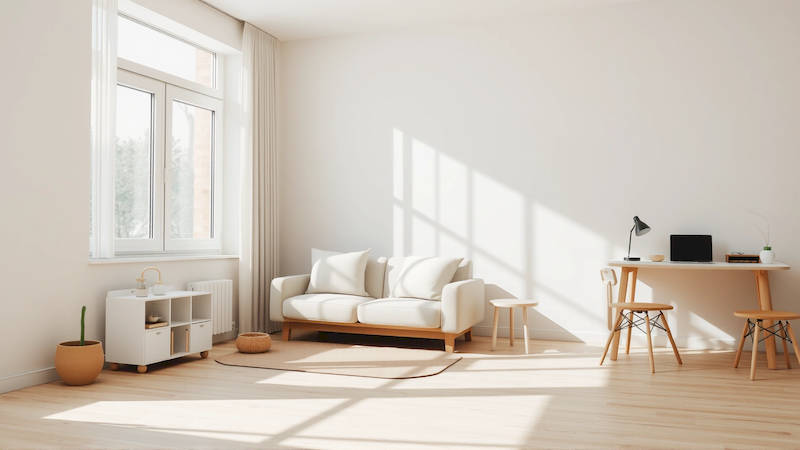
The living room. Often touted as the heart of the home, it’s frequently a space that quickly descends into chaos. Life happens in the living room—family time, movie nights, homework sessions, spontaneous gatherings. All this activity leaves its mark, often in the form of misplaced items, overflowing surfaces, and a general sense of clutter. However, a consistently cluttered living room doesn't just impact aesthetics; research suggests it can actively contribute to stress and anxiety. A study by the Princeton Neuroscience Institute found that clutter competes for our attention, reducing our capacity for focus and increasing feelings of being overwhelmed.
The challenge isn’t necessarily the initial declutter – it’s the maintenance. It’s easy to spend a weekend tackling a major clean-up, but keeping it that way requires a shift in mindset and the integration of simple, sustainable habits into your daily routine. This means moving beyond reactive cleaning (dealing with mess as it appears) to proactive organization, preventing clutter from accumulating in the first place. This article will delve into a series of daily habits designed to cultivate a consistently ordered and calming living room, providing a haven from the bustle of modern life.
Successful decluttering isn’t about achieving an impossibly minimalist aesthetic; it’s about creating a space that supports your lifestyle and promotes wellbeing. It's about making your living room a space you genuinely enjoy spending time in, free from the mental burden of visible disorder. The following sections will provide practical strategies and actionable steps to achieve exactly that.
- The 15-Minute Daily Tidy: Building a Foundation of Order
- "One In, One Out": The Decluttering Rule of Thumb
- Surface Management: Designated Landing Zones & Daily Clearing
- The Power of Vertical Storage: Maximizing Space & Minimizing Clutter
- The Weekly Reset: Deeper Organization & Maintenance
- Family Involvement & Shared Responsibility
- Embrace the "Maybe Box": Delayed Gratification for Decluttering
- Conclusion: Cultivating a Calming Living Room for Life
The 15-Minute Daily Tidy: Building a Foundation of Order
The cornerstone of maintaining a decluttered living room is the 15-minute daily tidy. This isn’t about a deep clean; it’s about containing the chaos. Consistency is paramount. Schedule this into your day – perhaps before dinner, after the kids are in bed, or during a commercial break – and treat it as non-negotiable. The objective is simple: return everything to its designated spot. This means pillows fluffed and back on the sofa, books returned to shelves, toys in their storage containers, and blankets neatly folded.
This short burst of organization can dramatically reduce the feeling of overwhelm that builds when small messes are left unattended. Think of it as preventative maintenance. By consistently addressing minor clutter, you prevent it from snowballing into a major undertaking. This also sets a tone for the rest of the house. When the living room consistently feels calm and collected, the impact spreads positively. Consider this: a 2016 study by UCLA’s Center for the Everyday Lives of Families found that homes with higher levels of clutter correlated with increased cortisol levels (the stress hormone) in female residents.
Crucially, don't get sidetracked during this 15-minute window. Resist the urge to start new tasks; focus solely on putting things back where they belong. A timer can be incredibly effective here. When the timer goes off, stop – even if you haven’t finished. You've built the habit, and consistency is more vital than perfection. This daily reset ensures that your living room rarely reaches a point where it feels truly chaotic.
"One In, One Out": The Decluttering Rule of Thumb
The “one in, one out” rule is a powerful strategy for preventing future clutter. It’s a simple concept: every time you bring something new into the living room, something similar must leave. Got a new throw pillow? Donate an old one. Bought a new book? Find a book to pass on to a friend or donate to a library. This rule forces you to continuously evaluate what you truly need and use, preventing the accumulation of unnecessary possessions.
This isn’t about depriving yourself of enjoyment, but about exercising mindful consumption. Before making a purchase, ask yourself: "Do I really need this?" and "Where will this go?". It's easy to fall into the trap of impulse buying, especially when items are on sale. However, a bargain is only a bargain if you actually use and enjoy the item. The "One In, One Out" rule isn’t limited to material objects; it can be applied to digital clutter as well – unsubscribe from unused newsletters, delete old photos, and organize digital files.
Implementing this rule requires conscious effort, but the long-term benefits are significant. It encourages mindful purchasing habits, prevents clutter buildup, and fosters a sense of control over your possessions.
Surface Management: Designated Landing Zones & Daily Clearing
Surfaces – coffee tables, side tables, the sofa itself – are prime real estate for clutter to accumulate. Three key strategies help keep them clear. First, establish "landing zones". This is a designated space – perhaps a small basket or tray – for temporary items like keys, mail, or remotes. The key is temporary. The contents of the landing zone should be dealt with daily. Second, implement a “clear surfaces before bed” habit. Take five minutes each evening to clear all surfaces, putting everything back in its place.
This seemingly small act has a disproportionately large impact on the overall feeling of calm in the room. As Marie Kondo famously said, "Tidying is the act of confronting what you really need, what you really like, and what you really want to keep in your life." Keeping surfaces clear isn’t just about aesthetics; it’s about creating a sense of spaciousness and reducing visual noise. . Finally, consider the function of each surface. If a side table frequently becomes a dumping ground for books and magazines, add a small bookshelf nearby to provide dedicated storage.
The Power of Vertical Storage: Maximizing Space & Minimizing Clutter
Often, living room clutter stems from a lack of adequate storage. We simply run out of places to put things. Vertical storage is a powerful solution. Utilize bookshelves, tall cabinets, and wall-mounted shelves to maximize space and keep items off the floor and surfaces. Don’t just think books – baskets and decorative boxes on shelves can conceal smaller items, creating a more streamlined look.
When utilizing vertical space, prioritize strategically. Frequently used items should be easily accessible, while less frequently used items can be stored higher up or in less convenient locations. Consider the visual weight of items on display. Too many small objects can create a cluttered appearance. Opt for a curated selection of décor and rotate items seasonally to maintain a fresh and uncluttered look. Furthermore, don't underestimate the potential of floating shelves. These create a visual lightness and can be customized to fit your specific storage needs.
The Weekly Reset: Deeper Organization & Maintenance
While the 15-minute daily tidy addresses immediate clutter, a weekly reset provides an opportunity for deeper organization. This isn’t about a full-scale clean; it’s about a more thorough maintenance routine. This might include vacuuming or mopping the floor, dusting surfaces, and reorganizing storage areas. Also use this time to review the "landing zones," address any accumulated mail, and redistribute items that have strayed from their designated locations.
This weekly reset is also a good time to assess whether your current organization systems are still working. Are storage containers easily accessible? Are frequently used items within reach? Make adjustments as needed to optimize functionality. It’s also beneficial to involve the entire family in this process, assigning age-appropriate tasks to each member. As behavioral psychologist B.J. Fogg emphasizes, habits are most likely to stick when they are easy to do, rewarding, and fit seamlessly into your existing routine. The weekly reset, when approached as a manageable routine, can become a crucial element of long-term clutter control.
Family Involvement & Shared Responsibility
A decluttered living room isn’t the sole responsibility of one person. It requires a shared commitment from all members of the household. Open communication is vital. Discuss expectations for maintaining order and involve everyone in the process of decluttering and organizing. Assign age-appropriate tasks to children, such as putting away toys or helping with dusting. Lead by example – if children see you consistently putting things back in their place, they are more likely to adopt similar habits.
If resistance is encountered, understand the underlying reasons. Some people struggle with letting go of possessions due to sentimental value or fear of needing something in the future. Address these concerns with empathy and offer alternative solutions, such as taking photos of cherished items before donating them. Regular family “decluttering sessions” can also make the process more enjoyable and less overwhelming.
Embrace the "Maybe Box": Delayed Gratification for Decluttering
Sometimes, the hardest part of decluttering is deciding what to get rid of. If you're unsure about an item, don't force yourself to make an immediate decision. Utilize the "maybe box." Place the item in a labeled box with the current date. If, after six months, you haven't needed or used the item, donate it without hesitation.
This technique allows for a period of delayed gratification, giving you time to assess whether the item truly adds value to your life. This is especially useful for sentimental items or objects that you are emotionally attached to. The "maybe box" removes the pressure of making a permanent decision and allows you to gradually let go of possessions. This method, rooted in the principles of behavioral change, leverages the power of time and reflection to facilitate effective decluttering.
Conclusion: Cultivating a Calming Living Room for Life
Maintaining a decluttered living room isn’t a one-time event; it's a commitment to daily habits and a shift in mindset. By implementing strategies like the 15-minute daily tidy, the "one in, one out" rule, and surface management techniques, you can create a space that feels calm, inviting, and supportive of your lifestyle. Remember the power of vertical storage, the importance of involving the entire family, and the helpfulness of the “maybe box.”
The core take away is that consistency is paramount. Small, sustainable habits, consistently practiced, yield far greater results than sporadic bursts of intense cleaning. Prioritize establishing routines that fit seamlessly into your daily life. Don't strive for perfection; focus on progress. A decluttered living room is an investment in your wellbeing – a space where you can relax, connect with loved ones, and truly feel at home. Start small, be patient with yourself, and focus on building habits that will create a lasting sense of order and peace.
Deja una respuesta