
Maximizing Small Closet Space with Customizable Storage Units
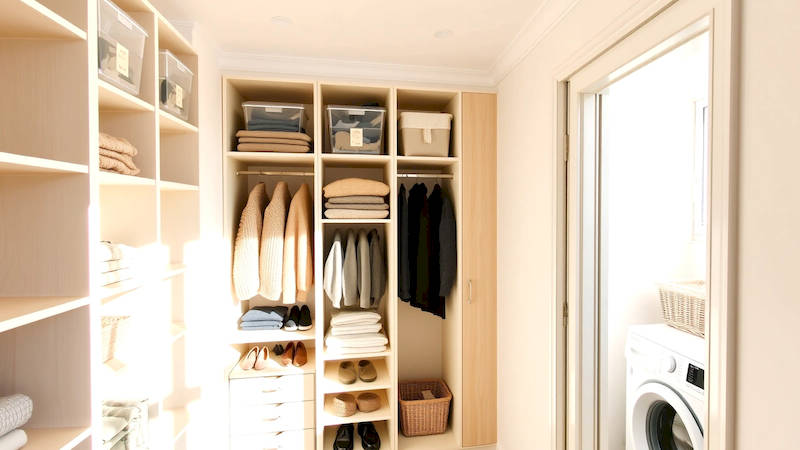
The frustration of a cramped closet is a common household experience. For many, it's a daily battle against overflowing clothes, inaccessible shoes, and a general sense of chaos. But a small closet doesn't have to equate to a storage nightmare. In fact, with smart planning and the strategic use of customizable storage units, even the most limited closet spaces can be transformed into highly functional and organized areas. This isn't merely about aesthetics; maximizing closet space directly impacts our daily routines, reduces stress, and can even save money by preventing duplicate purchases of items we already own but can’t find.
The key lies in moving beyond generic, one-size-fits-all solutions and embracing the power of customization. A standardized shelving system might work for some, but it often leaves valuable vertical space untapped or fails to accommodate specific wardrobe needs. Customizable systems, on the other hand, are designed to adapt to your closet’s unique dimensions and your personal belongings. The modern emphasis on minimalism and conscious consumerism further fuels the need for efficient storage – ensuring we can make the most out of what we have and resist the temptation to constantly acquire more.
This article dives deep into the world of maximizing small closet space with customizable storage units, providing practical advice, detailed strategies, and inspiring ideas to help you reclaim control of your closet and, ultimately, your space. We’ll explore everything from initial planning and assessing your needs to choosing the right system and implementing it effectively.
- Assessing Your Needs and Planning Your Layout
- Understanding the Types of Customizable Closet Systems
- Maximizing Vertical Space: Shelving and Double Hanging Rods
- The Power of Drawers and Baskets: Organizing Accessories and Small Items
- Utilizing Door Space and Other Often-Overlooked Areas
- Maintaining Your Organized Closet: Habits and Routines
Assessing Your Needs and Planning Your Layout
Before even thinking about storage units, the first crucial step is a thorough assessment of your closet’s current state and your individual needs. This goes beyond simply looking at how full it is. Take everything out. Yes, everything. This forced emptying allows you to see the raw space and forces a necessary decluttering process. As Marie Kondo famously encourages, hold each item and ask yourself if it sparks joy, or if it truly serves a purpose. Be ruthless. Donating or selling unused items is a crucial first step towards an optimized storage solution.
Once the closet is empty, measure it precisely - height, width, and depth. Don't forget to note any architectural limitations like sloping ceilings, pipes, or electrical outlets. Create a detailed inventory of the items you intend to store. Categorize them: clothes (separated by type – shirts, pants, dresses), shoes, accessories (belts, scarves, jewelry), and seasonal items. This categorization will dictate the type of storage solutions you require. Note the quantity of each category, as this will determine the amount of shelving, hanging space, and drawer space needed.
Finally, consider your lifestyle and habits. Do you prefer folding or hanging clothes? Do you have a large collection of shoes? Are adaptable storage solutions key because your clothing needs change drastically with the seasons? Understanding how you use your closet is paramount to designing a system that works for you, long term.
Understanding the Types of Customizable Closet Systems
The market for customizable closet systems is incredibly diverse. Understanding the different options available is key to selecting the best fit for your space, budget, and aesthetic preferences. Broadly, these systems fall into a few categories. Wire shelving systems are the most affordable and offer good ventilation but can lack aesthetic appeal and may not be durable enough for heavier items. Laminate or melamine systems offer a more solid feel and a wider range of color and finish options, and they’re more robust than wire but still relatively budget-friendly.
Wood or solid core systems are the most durable and aesthetically pleasing, offering a premium look and feel. They can be configured with a variety of features, including drawers, shelves, rods, and specialized organizers. These systems come with the highest price tag. However, there are also hybrid systems that combine elements of different materials, offering a balance of cost, durability, and aesthetics. Beyond the material, consider the configuration options: fixed systems are pre-designed and offer limited flexibility, while modular systems allow you to add, remove, and rearrange components as your needs evolve.
It's important to research different brands and suppliers, comparing their product offerings, warranties, and installation options. Many companies now offer 3D design tools or in-home consultations to help you visualize your customized closet system before making a purchase. Examining reviews, comparing quotes, and understanding installation complexities are all important parts of the process.
Maximizing Vertical Space: Shelving and Double Hanging Rods
Small closets often suffer from a lack of vertical utilization. The space above eye level is frequently wasted. This is where strategic shelving becomes crucial. Adjustable shelving is a game-changer, allowing you to customize the height of shelves to accommodate different items. Install shelves as high as possible, utilizing that often-overlooked space for storing off-season clothes, luggage, or less frequently used items in labeled bins or boxes.
Double hanging rods are another brilliant space saver. Instead of a single rod that takes up valuable vertical space, install two rods – one above the other. This instantly doubles your hanging capacity, making it ideal for shirts, blouses, skirts, and folded pants. Consider varying the height of the rods based on the length of the garments. For example, the top rod can be used for shorter items, while the bottom rod is reserved for longer ones.
Don’t underestimate the power of maximizing corners. Corner shelves or angled hanging rods can transform unused corner space into functional storage. Think about installing a rotating shoe rack in a corner to maximize accessibility. Utilize the space above the hanging rods – often lost to empty space – with additional shelving or a dedicated storage box for sweaters or bulky items.
The Power of Drawers and Baskets: Organizing Accessories and Small Items
While hanging space is essential, don't neglect the importance of drawers and baskets for organizing accessories and smaller items. Drawers are ideal for storing folded clothing, underwear, socks, and lingerie, keeping them neatly organized and easily accessible. In a smaller closet, built-in drawers can be expensive. Instead, consider using drawer inserts or pull-out bins within existing shelves to create the illusion of drawers.
Baskets are another versatile storage solution. They are perfect for storing scarves, hats, gloves, belts, and other miscellaneous items. Choose baskets made from durable materials like woven fabric or plastic. Label each basket clearly to make it easy to identify the contents. Group similar items together in baskets, such as all your winter accessories in one basket and all your summer accessories in another.
Consider using clear plastic bins for items you don't access frequently, such as out-of-season items or special occasion clothing. Clear bins allow you to see what's inside without having to unpack them, saving time and effort. Think about drawer dividers or small bins within drawers to keep everything separated and organized. The key is to contain chaos and create a designated place for everything.
Utilizing Door Space and Other Often-Overlooked Areas
Don’t forget the back of the closet door! This often-overlooked area presents a significant storage opportunity. Over-the-door organizers with pockets can be used to store shoes, accessories, toiletries, or cleaning supplies. These organizers are affordable and easy to install. Alternatively, you can install a full-length mirror on the door to create the illusion of more space.
The space beneath the hanging rods is another area that is often wasted. Install a low shelf or a series of drawers beneath the rods to store shoes, folded clothing, or other items. Consider using rolling drawers or bins for easy access. Another often-forgotten space is above the closet door. A sturdy shelf above the door can store suitcases, seasonal decorations, or other rarely used items.
Finally, consider adding hooks to the walls of your closet to hang belts, scarves, hats, or bags. Hooks are a simple and inexpensive way to add extra storage space. Be mindful not to overcrowd the closet, leaving enough space to move around comfortably. A well-organized closet should be both functional and aesthetically pleasing.
Maintaining Your Organized Closet: Habits and Routines
Creating a customized and organized closet is only half the battle. Maintaining that organization requires ongoing effort and the establishment of good habits. Implement a “one in, one out” rule: when you purchase a new item of clothing, get rid of something else. This prevents your closet from becoming overcrowded again. Regularly declutter your closet, at least twice a year, to remove any items you no longer wear or use.
Dedicate a few minutes each week to tidy up your closet, putting items back in their designated places. A quick weekly reset will prevent clutter from accumulating. Rotate your seasonal clothing, storing out-of-season items in labeled bins or boxes. Make sure to properly fold or hang your clothes to maximize space and prevent wrinkles.
Finally, involve everyone in the household in the organization process. Make sure that everyone knows where things go and encourages them to put items back in their place. A collaborative approach is essential for maintaining a consistently organized closet.
In conclusion, maximizing small closet space through customizable storage units is an achievable goal with careful planning and execution. By assessing your needs, understanding the available options, and strategically utilizing vertical space, drawers, baskets, and often-overlooked areas, you can transform a cramped closet into a highly functional and organized space. Remember that the key to long-term success lies in establishing good habits and maintaining the organization through regular decluttering and tidying routines. Don’t be afraid to experiment with different configurations and adjust your system as your needs evolve. A well-organized closet is not just about aesthetics; it's about simplifying your life, reducing stress, and making the most of your valuable space. Start planning today, and reclaim your closet – and your peace of mind.
Deja una respuesta