
Minimalist Home Office Layouts for Mental Clarity and Focus
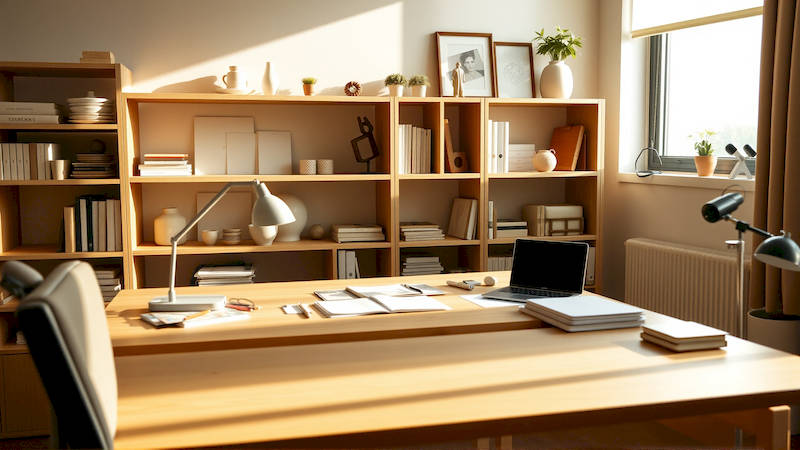
The modern work landscape, increasingly decentralized, has blurred the lines between professional and personal space. For many, the “home office” is no longer a dedicated room, but a corner of a bedroom, a repurposed dining area, or even a cleverly designed nook. However, simply having a workspace isn’t enough. The chaotic energy of a cluttered environment actively undermines productivity and mental wellbeing. This is where the principles of minimalism come into play – a conscious design philosophy focused on intentionality and eliminating excess. A minimalist home office isn’t about stark emptiness; it's about creating a calm, focused environment that fosters creativity and supports deep work.
This article will delve into the power of minimalist layouts for home offices, exploring how they directly impact mental clarity and focus. We'll move beyond the aesthetic appeal of minimalism, unpacking the psychological benefits and providing actionable strategies to create a workspace that actively enhances your productivity rather than detracting from it. We’ll examine practical considerations for different space constraints and offer guidance on selecting furniture, optimizing arrangement, and establishing habits to maintain a streamlined and focused work environment.
- The Psychology of Space and Minimalist Design
- Defining Your Minimalist Needs: Function Over Form
- Layout Options for Different Spaces
- Furniture Selection: Functionality and Simplicity
- Establishing Habits for Maintaining Minimalism
- Extending Minimalism to Digital Workflows
- Conclusion: Cultivating a Workspace for Focused Living
The Psychology of Space and Minimalist Design
Our surroundings profoundly impact our cognitive function. Studies in environmental psychology demonstrate a strong correlation between clutter and increased cortisol levels – the hormone associated with stress. A cluttered space is essentially a visual representation of unfinished tasks and unresolved commitments, subconsciously pulling at our attention and draining mental resources. Conversely, a clean, organized workspace promotes a sense of control and calm, allowing the brain to focus on the task at hand. Minimalism, in the context of office design, isn’t merely about aesthetics; it’s about intentionally manipulating the environment to alleviate psychological stress and cultivate a more productive mindset.
The core principle lies in reducing stimuli. By removing unnecessary objects, a minimalist layout minimizes distractions and allows for a greater sense of spaciousness, even in a small room. This reduction extends beyond physical objects, encompassing digital clutter as well - a meticulously organized digital desktop, simplified notification systems and curated digital files are crucial complements to a physically minimalist space. Consider the concept of "attention residue," as described by Sophie Leroy in the Journal of Experimental Psychology – the lingering cognitive cost of switching between tasks. A minimalist workspace, free of visual and mental distractions, helps minimize attention residue and facilitates deeper concentration.
Furthermore, minimalist aesthetics often incorporate natural light, neutral color palettes, and biophilic elements (incorporating nature) – all factors proven to enhance mood, reduce stress, and boost creativity. These elements connect us to the natural world and create a more harmonious and inviting working environment. A space designed with intention, not just for function, but for wellbeing, is a space ripe for profound work.
Defining Your Minimalist Needs: Function Over Form
Before diving into layout options, a crucial first step is to rigorously assess your actual needs. Many people mistakenly equate minimalism with deprivation, believing it requires sacrificing functionality. This is absolutely not the case. True minimalism is about intentionality - identifying the core tools and resources essential for your work and eliminating everything else. Start by making a list of every item currently in your workspace. Then, categorize each item based on its frequency of use: "daily essential," "weekly essential," or "rarely used."
Be brutally honest with yourself. That attractive stationery set you impulse-bought six months ago? If it hasn’t been used, it's clutter. That stack of books you intended to read for professional development? If they're gathering dust, consider donating them or accessing the information digitally. The goal is to streamline your workflow and ensure that every item in your office serves a clear and demonstrable purpose. Consider the 80/20 rule (Pareto principle) – you likely use 20% of your tools and resources 80% of the time. Focus on optimizing the efficiency of that 20%.
This needs assessment should also extend to your work style. Are you a visual thinker who benefits from a whiteboard? Do you frequently need to access physical files? Tailoring your minimalist layout to your specific work habits is critical to avoiding frustration and ensuring long-term sustainability.
Layout Options for Different Spaces
Minimalist home office layouts aren't one-size-fits-all. The best approach depends heavily on the available space and your individual needs. Let's explore some common scenarios. The Dedicated Room: If you have the luxury of a dedicated room, the possibilities are extensive. A key principle is to keep the room versatile. A single, large desk positioned to maximize natural light is often the focal point. Storage should be integrated and concealed – think built-in shelving or minimalist cabinets. Avoid unnecessary furniture; a comfortable ergonomic chair is paramount, but ornate decorations should be minimized. Emphasize vertical space to avoid cluttering the floor.
The Corner Nook: A corner nook requires creative space-saving solutions. A corner desk is, of course, the obvious choice. Utilize vertical shelving to maximize storage without sacrificing floor space. Consider a wall-mounted monitor to free up desk surface. A foldable chair can provide flexibility when the space needs to be used for other purposes. Defining the nook visually from the rest of the room is essential – a rug or a change in wall color can help delineate the workspace. The Multi-Purpose Room: This is perhaps the most challenging scenario. The key is to create a workspace that seamlessly integrates into the existing decor and can be easily concealed when not in use. A desk that folds away or converts into a cabinet is ideal. Utilize storage ottomans that offer both seating and concealed storage. Maintain a strict "everything in its place" policy to quickly and easily transform the space between work and leisure.
Furniture Selection: Functionality and Simplicity
The furniture you choose is crucial in establishing a minimalist aesthetic and optimizing functionality. Prioritize quality over quantity. Invest in a few well-made pieces that will last, rather than filling the space with inexpensive, disposable furniture. Desks: Look for clean lines, simple shapes, and minimal ornamentation. A standing desk is an excellent option for promoting physical health and boosting energy levels. Consider desks with integrated cable management to eliminate visual clutter. Chairs: An ergonomic chair is non-negotiable, but it doesn’t need to be overly complex or visually imposing. Choose a chair with a neutral color and a streamlined design. Storage: Prioritize concealed storage. Cabinets, drawers, and shelving should have a minimalist aesthetic and be designed to keep clutter out of sight. Avoid open shelving, which can quickly become a dumping ground for clutter.
Accessories: Keep accessories to a minimum. A simple desk lamp, a plant, and a few carefully chosen personal items are sufficient. Avoid excessive knick-knacks or decorative objects that serve no functional purpose. The goal is to create a workspace that is both aesthetically pleasing and conducive to focused work.
Establishing Habits for Maintaining Minimalism
A minimalist layout is a starting point, not a destination. Maintaining it requires deliberate habits and ongoing effort. The Daily Reset: At the end of each workday, take five minutes to clear your desk, file paperwork, and put everything back in its place. This simple habit prevents clutter from accumulating and sets you up for a productive start the next day. The Weekly Declutter: Once a week, take 15-20 minutes to go through your office and identify any items that are no longer needed. Donate, recycle, or discard these items immediately. Digital Detoxes: Regularly clean up your digital workspace – delete unnecessary files, organize your folders, and unsubscribe from unwanted emails. One In, One Out Rule: For every new item you bring into your office, get rid of something else. This prevents your space from becoming overcrowded.
Extending Minimalism to Digital Workflows
Minimalism isn't limited to the physical realm; extending this philosophy to your digital workspace is equally important. A cluttered computer desktop, overflowing email inbox, and disorganized digital files can be just as distracting and overwhelming as a cluttered physical office. Implement a consistent file-naming convention, utilize cloud storage to minimize local storage needs and unsubscribe from unnecessary email lists. Use task management tools to declutter your mental to-do list, and schedule dedicated blocks of time for focused work, minimizing interruptions and notifications. According to a UC Irvine study, it takes an average of 23 minutes and 15 seconds to fully refocus after an interruption. Minimizing digital disturbances is therefore crucial for maintaining sustained concentration.
Conclusion: Cultivating a Workspace for Focused Living
Creating a minimalist home office layout is an investment in your mental clarity, productivity, and overall wellbeing. It’s a process that requires intentionality, discipline, and a willingness to challenge conventional notions of what an office should look like. By prioritizing functionality over form, streamlining your workflow, and establishing habits for maintaining minimalism, you can create a workspace that supports deep work, fosters creativity, and promotes a sense of calm and control.
The key takeaways are: regularly assess your needs, prioritize essential tools, optimize your layout for the available space, select furniture with simplicity in mind, and establish habits to maintain a clutter-free environment. Remember, minimalism isn’t about deprivation; it’s about creating a space that allows you to focus on what truly matters – your work, your wellbeing, and your life. Start small, be consistent, and enjoy the transformative power of a minimalist home office.
Deja una respuesta