
Organizing Media Collections: DVDs, Games, and Books in the Living Room
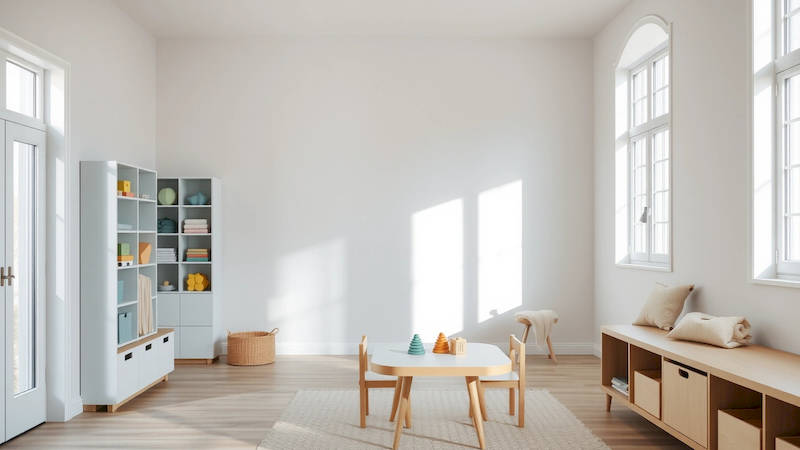
The living room, often considered the heart of the home, frequently becomes a central repository for our entertainment – and often, a tangled mess of it. From expansive DVD collections amassed over years to sprawling video game libraries and beloved book series, these media formats, while sources of joy, often contribute significantly to living room clutter. In the age of streaming, it’s easy to question the necessity of maintaining these physical collections, however, many still cherish the tangible feeling of ownership and the aesthetic appeal of a well-curated home library. Successfully navigating the organization of these collections isn’t about abandoning them, but about finding a system that balances access, aesthetics, and available space.
The challenge lies in transforming these collections from clutter liabilities into curated displays of personal taste. Ignoring the problem often leads to stacks of cases accumulating on shelves, floors, or even in corners, diminishing the room’s potential and impacting relaxation. Instead, a thoughtful organizational approach can turn these items into a focal point, reflecting your personality and providing easy access to your favorite forms of entertainment. This isn't merely about tidying up; it's about optimizing the functionality and ambiance of one of the most important rooms in your house.
This article will provide a comprehensive guide to organizing DVDs, games, and books in your living room, offering practical advice, space-saving techniques, and design ideas to help you create a relaxing and visually appealing living space. We'll explore decluttering strategies, efficient storage solutions, and aesthetic arrangement tips, aimed at transforming your media collection from a source of stress into a source of enjoyment. Ultimately, the goal is to create a living room that is both functional and reflective of your lifestyle.
- The Initial Purge: Decluttering Your Media
- Optimizing Storage: Beyond the Traditional Bookshelf
- Arranging for Aesthetics: Displaying Your Collections Intentionally
- Maximizing Space with Multi-Functional Furniture
- Addressing Specific Media Types: Games, DVDs, and Books
- Long-Term Maintenance: Staying Organized
- Conclusion: A Harmonious Living Space with Your Treasures
The Initial Purge: Decluttering Your Media
Before diving into storage and arrangement, a ruthless decluttering phase is essential. The simple truth is, most people hold onto media they no longer use or enjoy. Be honest with yourself about what truly deserves space in your living room. Start by pulling everything – DVDs, games, and books – from their current locations and placing them in a central area. This allows for a clear, unbiased overview of the sheer volume of items. Consider this a 'media audit' focused on identifying what genuinely adds value to your leisure time.
This is where difficult decisions come into play. Ask yourself specific questions about each item: Have I watched/played/read this in the last year? Do I have a digital copy? Is it a limited edition with genuine collectible value? Does it hold significant sentimental meaning? It’s important to distinguish between items you might use someday and those you will use. A helpful technique is a three-pile system: keep, donate/sell, and discard. Be especially strict with duplicates. Having multiple copies of the same movie or game serves no practical purpose and only contributes to clutter. Remember that decluttering isn’t a judgment on past purchases, it's a strategic move toward a more streamlined and enjoyable living space.
Finally, consider the evolving media landscape. According to a 2023 report by Statista, approximately 77% of US households subscribe to at least one video streaming service. This dramatically reduces the need for physical media ownership. Acknowledging this shift can help justify letting go of items you’re unwilling to watch again, even if they were once favorites. Don’t be afraid to embrace the convenience and accessibility of digital alternatives.
Optimizing Storage: Beyond the Traditional Bookshelf
Once you’ve decluttered, the focus shifts to finding fitting storage solutions. While traditional bookshelves are a common choice, they aren't always the most efficient. Consider the height and depth of your shelves; deep shelves can lead to items getting lost at the back, while excessively high shelves are difficult to reach. Think vertically – taller, narrower shelving units can maximize storage without taking up significant floor space. Look for versatile options that can accommodate different media sizes and formats.
Beyond bookshelves, explore alternative storage solutions. Media cabinets designed specifically for DVDs and games are a great option, often offering adjustable shelves and discreet storage. Closed cabinets conceal clutter, creating a cleaner aesthetic. Floating shelves offer a modern and minimalist look, but are best suited for displaying a curated selection of items rather than housing an entire collection. Utilize wall space strategically—installing narrow shelves above doorways or windows can provide additional storage without intruding into the main living area. Don’t overlook the potential of ottomans with hidden storage, perfect for storing games or smaller book collections.
When organizing within the chosen storage, implement a system. Group items by genre, alphabetical order, or even color. Maintaining a consistent organizational structure will make it easier to find what you’re looking for and prevent chaos from creeping back in. Remember, accessibility is key. Frequently used items should be within easy reach, while less frequently used items can be stored higher up or further back.
Arranging for Aesthetics: Displaying Your Collections Intentionally
Organization isn’t just about functionality; it’s about creating a visually appealing display. Think beyond simply stacking items on shelves. Introduce decorative elements to break up the monotony and add personality. Alternate horizontal and vertical stacking of books to create visual interest. Incorporate bookends, decorative boxes, and small plants to add texture and color. Use artwork and photographs to complement your media collection and reflect your personal style.
Consider arranging your media collection as a focal point, rather than trying to hide it away. A well-curated display of your favorite books, movies, and games can serve as a conversation starter and showcase your passions. Lighting plays a crucial role in enhancing the aesthetic. Install shelf lighting or use strategically placed lamps to highlight your collection and create a warm, inviting atmosphere. Think about using color coding—arrange books or DVDs by spine color for a visually striking effect.
A minimalist approach can also be highly effective. Instead of displaying your entire collection, select a curated selection of your favorites and rotate them seasonally. This keeps the display fresh and prevents it from becoming overwhelming. Remember that the goal is to create a living room that is both functional and aesthetically pleasing.
Maximizing Space with Multi-Functional Furniture
In smaller living rooms, every square inch matters. Leveraging multi-functional furniture is crucial for maximizing space without sacrificing style. As mentioned earlier, ottomans with storage offer a discreet way to hide games or books. Coffee tables with built-in shelving provide a convenient spot for storing magazines, remote controls, and even DVDs. A TV console with ample storage is an essential investment, offering a centralized location for all your media components as well as concealing cords and cables.
Furthermore, consider furniture that can serve dual purposes. A window seat with storage underneath provides a cozy reading nook and a hidden storage space. A bench with storage can be used as additional seating and a place to store games or blankets. Even a simple side table with a shelf can provide extra storage for books or magazines. The key is to choose furniture that not only looks good but also serves a practical purpose.
Avoid bulky furniture that takes up too much space. Opt for streamlined designs that are visually lighter and more open. Incorporate furniture with adjustable shelving to accommodate your changing needs and collection size. This approach effectively utilizes space, reducing clutter while improving functionality.
Addressing Specific Media Types: Games, DVDs, and Books
Each media type presents unique organizational challenges. Games, with their varied case sizes, often require dedicated shelving or compartmentalized storage. Consider using plastic bins or dividers to keep games upright and prevent them from toppling over. DVDs, typically uniform in size, are well-suited for media cabinets with adjustable shelves. Books, however, benefit from more flexible storage options, as they come in a wider range of sizes and thicknesses.
For vintage or collectible games, display them strategically to highlight their unique value. Consider using shadow boxes or glass-fronted cabinets to protect and showcase these items. DVDs can be organized by genre, director, or actor, making it easier to find specific titles. Books can be organized by author, genre, or color—choose a system that works best for your personal preferences.
It’s also important to consider the condition of your media. Protect delicate collectibles from dust and sunlight. Store items in a cool, dry place to prevent damage. Consider using protective sleeves for DVD cases to prevent scratches and wear. Regularly dust your collection to keep it looking its best.
Long-Term Maintenance: Staying Organized
Organization is not a one-time event, but an ongoing process. Implement a system for regularly tidying up your media collection, such as dedicating a few minutes each week to put items back in their place and declutter any new additions. Schedule a more comprehensive decluttering session every six months to reassess your collection and remove items you no longer use or enjoy.
As your tastes evolve and new media formats emerge (like digital game libraries!), be prepared to adapt your storage and organization system accordingly. Don’t be afraid to experiment with different layouts and storage solutions until you find what works best for your living room and lifestyle. Regular maintenance prevents clutter from accumulating and ensures that your media collection remains a source of enjoyment rather than stress. A key quote from professional organizer Marie Kondo resonates here: “The question isn’t ‘what should I keep?’ but ‘what should I let go of?’”
Conclusion: A Harmonious Living Space with Your Treasures
Organizing your media collections – DVDs, games and books – in the living room is about more than just physical arrangement; it's about curating a space that reflects your personality and enhances your enjoyment of these treasured items. By embracing a systematic approach to decluttering, optimizing storage, and arranging for aesthetics, you can transform a cluttered corner into a visually appealing and functional focal point. Remember the importance of vertical storage, multi-functional furniture and tailoring organizational systems to the specific needs of each media type.
The key takeaways include prioritizing ruthless decluttering, going beyond traditional bookshelves and exploring versatile storage options, and treating your media collection as a display, not just a storage problem. Continuous maintenance and adaptation are vital for long-term success. By implementing these strategies, you'll not only create a more organized living room, but also a more relaxing and inviting space for yourself and your guests. Begin with a small section of your collection—perhaps your DVD's—and work incrementally. The journey to a clutter-free and beautifully arranged living room is a rewarding one that will contribute to a more peaceful and enjoyable home life.
Deja una respuesta