
Organizing Sports Equipment in the Garage: Tips and Storage Ideas
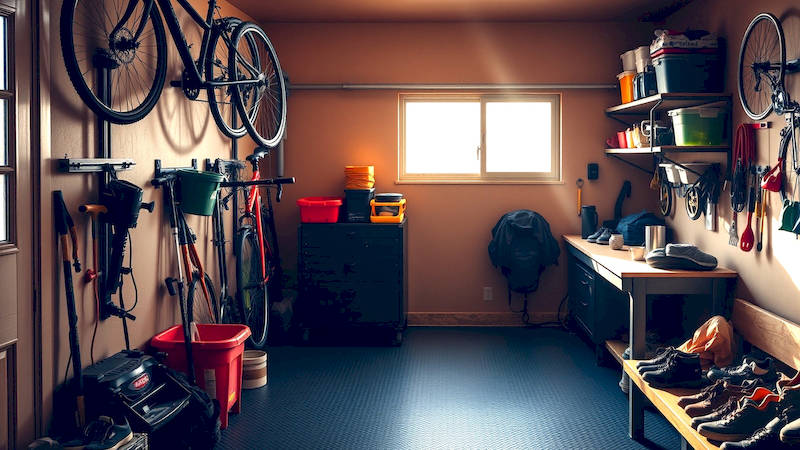
The garage. For many families, it's less a place to park a car and more a dumping ground for life's accumulated belongings. And often, a significant portion of that 'stuff' is sports equipment – balls, bats, helmets, pads, bikes, scooters, you name it. This equipment represents active, healthy lifestyles, but when it's unorganized, it can quickly turn into a source of stress and wasted space. A cluttered garage impacts not just aesthetics, but also safety and accessibility. Tripping hazards abound, finding the right equipment for a spur-of-the-moment game becomes a frustrating ordeal, and valuable space goes unused. This article will provide a comprehensive guide to reclaiming your garage from sports equipment chaos, offering actionable tips and storage ideas to create a functional and organized space that supports your family’s active lifestyle.
Beyond the immediate frustration of navigating a cluttered garage, disorganization can have wider consequences. According to a recent study by the National Association of Productivity and Organizing Professionals (NAPO), homes with high levels of clutter report higher levels of stress and anxiety. Furthermore, the time wasted searching for misplaced items translates into lost productivity and valuable family time. Organizing your sports equipment isn't just about tidiness; it’s about reclaiming space, reducing stress, and fostering a more functional and enjoyable home environment. It’s an investment in your family's wellbeing.
This guide will take you through a methodical approach to organizing your sports gear, from the initial decluttering phase to implementing long-term storage solutions. We will cover everything from assessing your needs to utilizing vertical space, and exploring various storage options fit for different budgets and garage layouts. Ultimately, the goal is to transform your garage from a source of frustration into a streamlined, efficient hub for all things sports.
- The Great Purge: Decluttering Your Sports Equipment
- Leveraging Vertical Space: The Power of Walls and Ceilings
- Dedicated Zones: Categorizing for Efficiency
- Smart Storage Containers: Bins, Bags, and Beyond
- Maintaining the Momentum: Habits for Long-Term Organization
- Considering Safety and Accessibility
The Great Purge: Decluttering Your Sports Equipment
Before you start buying storage containers and hanging systems, the first and most crucial step is decluttering. Seriously. Be ruthless. Many families hold onto equipment "just in case," but realistically, those ill-fitting cleats from five years ago or the broken hockey stick aren't likely to see action again. Begin by taking everything out of the garage – yes, everything. This allows you to truly assess the volume of equipment you have and gives you a clean slate to work with. Create designated zones: Keep, Donate, Sell, and Trash.
As you sort, ask yourself honest questions. Has your child outgrown this equipment? Is it broken beyond repair? Have you used it in the past year? If the answer to any of these questions is yes, it's time to let it go. Don't fall into the trap of sentimental attachment to unused items; they are simply taking up space. Consider the financial aspect – selling gently used equipment can recoup some of your initial investment. Local consignment shops specializing in sports gear or online marketplaces like Craigslist and Facebook Marketplace are excellent options. Remember to prioritize safety; broken or damaged equipment should be disposed of responsibly.
Finally, once you’ve decluttered, take stock of what remains. Group similar items together (all baseball equipment, all basketballs, etc.). This will give you a clearer picture of the types of storage solutions you need. Consider creating an inventory list, perhaps a simple spreadsheet or even a handwritten one, detailing what you have. This is particularly useful for seasonal equipment, so you don’t inadvertently repurchase items you already own.
Leveraging Vertical Space: The Power of Walls and Ceilings
Garage space is notoriously limited, which means maximizing vertical storage is paramount. Walls and ceilings offer significant untapped potential. Forget simply piling equipment in corners; think upwards! Heavy-duty shelving units are a fantastic starting point. Choose shelving with adjustable heights to accommodate equipment of varying sizes. Ensure the shelving is securely anchored to the wall to prevent tipping, especially in earthquake-prone areas.
Beyond shelving, consider utilizing wall-mounted racks and hooks. Bike racks are a classic solution for storing bicycles safely and efficiently. Hooks are ideal for hanging items like skateboards, scooters, baseball bats, and even helmets. Look for robust hooks that can support the weight of the equipment. Remember to distribute the weight evenly across the wall, rather than concentrating it in one area. In terms of the ceiling, overhead storage racks can be used to store seasonal items like skis, snowboards, or camping gear. Accessing these racks typically requires a ladder, so prioritize safety and make sure the ladder is stable and easily accessible.
A clever, often overlooked solution is using slatwall panels. These panels, typically made from plywood or MDF, are incredibly versatile and allow you to attach a wide range of hooks, baskets, and shelves. Slatwall systems are relatively inexpensive and easy to install, making them a popular choice for garage organization.
Dedicated Zones: Categorizing for Efficiency
Once you’ve decluttered and begun to think vertically, the next step is to create dedicated zones within your garage. This means assigning specific areas for different sports or types of equipment. For example, designate a "baseball zone" with shelving and bins for bats, balls, gloves, and helmets. Another zone could be dedicated to "winter sports" with racks for skis and snowboards, and bins for boots and warm clothing.
The key to effective zoning is to place frequently used items in easily accessible locations. Items used less often can be stored higher up or further back. Labeling is critical! Clearly label all bins, shelves, and zones so everyone in the family knows where things belong. Using a label maker or even simple masking tape and a permanent marker can make a huge difference. Consider color-coding zones or bins to further enhance organization and visibility. This helps assist with quick recognition and convenient retrieval of sporting goods.
To take this further, incorporate a "staging area" near the garage door. This area is for items that are about to be used, providing a convenient spot to grab everything you need before heading out to practice or a game. It also serves as a drop-off point for dirty or wet gear after use.
Smart Storage Containers: Bins, Bags, and Beyond
While shelves and racks provide the framework for organization, storage containers are the workhorses that contain the chaos. Choose a variety of container types to suit different equipment needs. Plastic bins with lids are ideal for storing smaller items like balls, cones, and protective gear. Clear bins allow you to easily see what’s inside without having to open them.
For larger, bulky items like inflatable balls or pool noodles, consider using large mesh bags. Mesh allows for ventilation, preventing odors and mildew. Duffel bags are also useful for storing soft items like jerseys and shorts. When selecting containers, prioritize durability and stackability. Containers that can be stacked neatly will maximize space and prevent clutter. Look for containers specifically designed for garage storage; these are typically more robust and can withstand temperature fluctuations.
Consider using vacuum storage bags for seasonal clothing and equipment. These bags compress items, saving valuable space. They are particularly useful for storing bulky winter gear during the summer months. Also, don't underestimate the power of rolling storage carts. These are ideal for housing frequently used items and can be easily moved around the garage as needed.
Maintaining the Momentum: Habits for Long-Term Organization
Organizing your garage is not a one-time event; it's an ongoing process. To prevent it from reverting to chaos, it's essential to establish habits that maintain order. The "one in, one out" rule is a simple yet effective strategy. Every time you bring a new piece of sports equipment into the garage, get rid of an old one. This prevents clutter from accumulating.
Implement a regular cleanup schedule, perhaps once a month or quarterly. This is a time to re-evaluate your equipment, declutter any items you no longer need, and ensure everything is in its designated place. Involve the entire family in the cleanup process, making it a collaborative effort. Encourage everyone to put their equipment away immediately after use. This prevents items from piling up and becoming a tripping hazard. A simple reminder system, like a checklist posted on the garage door, can also be helpful.
Finally, regularly assess your storage solutions. Are they still meeting your needs? Are you utilizing space effectively? Don't be afraid to adjust your system as your family's needs evolve.
Considering Safety and Accessibility
While organization is key, safety must be the paramount consideration. Ensure that all storage solutions are stable and securely anchored to prevent them from falling or collapsing. Avoid storing heavy items on high shelves that could be difficult to reach safely. Keep pathways clear of obstructions to prevent tripping hazards. According to the Consumer Product Safety Commission, falls are a leading cause of injuries in garages.
Accessibility is also important. Ensure that frequently used items are easily accessible, especially for children. Avoid storing equipment in areas that are difficult to reach or require moving other items to access. Proper lighting is essential for a safe and functional garage. Ensure that the garage is well-lit, both during the day and at night. This will help you see potential hazards and navigate the space safely. Consider adding a non-slip floor coating to further improve safety.
In conclusion, organizing sports equipment in the garage isn't just about aesthetics; it’s about creating a safer, more functional, and less stressful home environment. By embracing a methodical approach – decluttering ruthlessly, maximizing vertical space, creating dedicated zones, utilizing smart storage containers, and establishing sustainable habits – you can reclaim your garage from chaos and transform it into a well-organized hub for your family’s active lifestyle. It takes effort, but the benefits – reduced stress, increased space, and more time for what matters – are well worth it. Start small, be consistent, and don’t be afraid to adapt your system as your needs evolve. The payoff will be a garage that works for you, not against you.
Deja una respuesta