
Smart Storage Ideas for Keeping Towels Neatly Organized
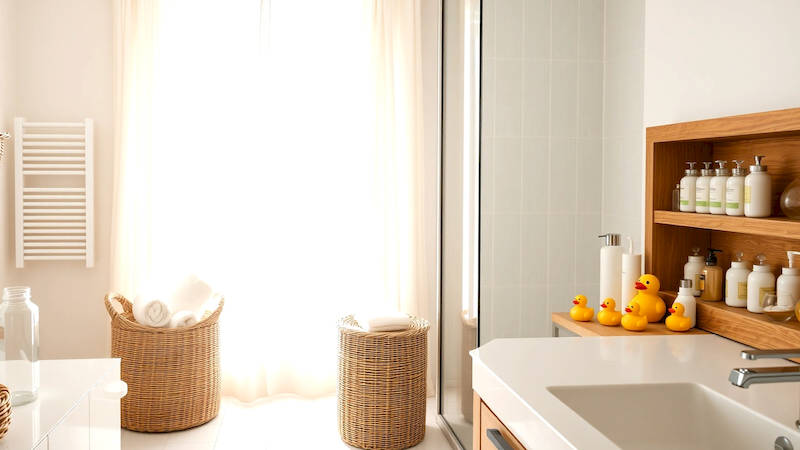
The bathroom, often considered a sanctuary for personal care, can quickly descend into chaos. While many focus on vanity organization and shower clutter, one frequently overlooked area is towel storage. Piles of towels, whether freshly laundered or awaiting their next use, can visually shrink a bathroom and create a sense of disarray. Beyond aesthetics, poor towel storage can lead to dampness, mildew growth, and a generally unhygienic environment. Implementing smart towel storage solutions isn’t just about tidiness; it's about extending the life of your linens, promoting bathroom hygiene, and maximizing valuable space.
Effective towel organization hinges on understanding your bathroom’s layout, the number of occupants in your household, and your personal preferences. A small guest bathroom will require drastically different solutions than a spacious master bath serving a family. Similarly, someone who prefers a minimalist aesthetic will opt for concealed storage, while others might embrace the textural appeal of openly displayed towels. This article dives deep into a variety of towel storage methods, from simple swaps to more ambitious renovations, providing practical and actionable advice for everyone seeking a more organized and inviting bathroom. Ultimately, a well-organized towel collection contributes significantly to a calmer, more functional, and more luxurious bathroom experience.
- Maximizing Vertical Space with Wall-Mounted Solutions
- Embracing the Power of Rolling and Folding Techniques
- Utilizing Drawer Organizers and Baskets for Concealed Storage
- Repurposing Furniture for Unique Towel Storage Solutions
- Optimizing Space with Over-the-Toilet Storage and Corner Solutions
- Maintaining Towel Freshness and Preventing Mildew
- Conclusion: Creating a Sanctuary of Order and Freshness
Maximizing Vertical Space with Wall-Mounted Solutions
One of the most effective techniques for towel organization is leveraging vertical space. Bathrooms are often limited in square footage, making it crucial to utilize wall space rather than floor space. Traditional towel bars, while functional, can often feel cluttered, particularly with multiple occupants. Moving beyond the standard towel bar opens a world of possibilities. Floating shelves, for example, offer a stylish and adaptable solution. They come in various materials, finishes, and depths, allowing you to choose options that complement your bathroom’s décor. Deep shelves can comfortably hold rolled or folded towels, while narrower shelves are perfect for hand towels or washcloths. Crucially, ensure shelves are securely mounted and can handle the weight of wet towels.
Consider ladder-style towel racks. These leaning structures provide multiple rungs for hanging towels, creating a casual yet organized look. They’re particularly well-suited for bathrooms with a farmhouse or bohemian aesthetic. Alternatively, a series of vertical hooks can be a surprisingly effective and affordable option. Hooks are ideal for smaller bathrooms or as supplementary storage alongside other solutions. They allow for quick drying and easy access. When utilizing hooks, it’s beneficial to stagger their height to prevent towels from bunching up and improving air circulation. Finally, over-the-door organizers designed for towels can offer a temporary or space-saving solution, especially in smaller bathrooms.
A current trend gaining popularity is incorporating built-in niches. If undertaking a bathroom renovation, consider including recessed niches within the wall specifically designed for towel storage. These provide a seamless, built-in look and keep towels neatly contained without occupying valuable floor or shelf space. According to a 2023 survey by the National Kitchen & Bath Association (NKBA), recessed niches are consistently ranked among the most desired bathroom features, reflecting a growing preference for clean lines and concealed storage.
Embracing the Power of Rolling and Folding Techniques
The way you physically arrange your towels significantly impacts their visual appeal and space efficiency. Simply piling towels haphazardly can lead to a messy appearance and slower drying times. Implementing strategic rolling and folding techniques can dramatically improve organization. The KonMari method, popularized by Marie Kondo, advocates for folding towels into compact rectangles that stand upright – allowing you to see each towel at a glance when stored in drawers or on shelves. This not only looks neat but also maximizes space utilization, especially in shallow drawers.
Beyond the KonMari method, consider rolling towels. Rolling towels allows for a more visually appealing display, particularly when utilizing open shelves or baskets. It also arguably takes up less space than traditional folding, especially with thicker, plush towels. Furthermore, rolling towels can promote faster drying as more surface area is exposed to the air. For larger bath sheets, rolling can be particularly effective as it prevents them from overwhelming the space. Experiment with different rolling techniques to find what works best for your towel material and storage solution.
A professional organizer, Cas Aarssen, emphasizes the importance of consistency in a 2022 interview with Real Simple. "The key is to find a folding or rolling method that you can realistically maintain. If it's too complicated, you won't stick with it." Therefore, choose a technique that aligns with your personal preferences and lifestyle. Avoid overly complex methods if you suspect they'll fall by the wayside.
Utilizing Drawer Organizers and Baskets for Concealed Storage
For those who prefer a minimalist aesthetic or want to conceal towel clutter, utilizing drawers and baskets is an excellent strategy. Bathroom drawers, often underutilized, can become a haven for neatly organized towels. However, simply stuffing towels into a drawer will likely result in a disorganized mess. Drawer dividers are essential for creating designated sections for different towel sizes and types – hand towels, washcloths, bath towels, and bath sheets. Fabric or plastic dividers can be purchased readily, or you can create your own using cardboard or repurposed boxes.
Woven baskets offer another effective concealed storage solution. Place rolled or folded towels inside baskets on open shelves or under the sink. Baskets add texture and visual interest to the bathroom while concealing clutter. Choose baskets made from breathable materials like wicker or hyacinth to promote air circulation and prevent mildew growth. Clear plastic bins can also be used for under-sink storage, allowing you to easily identify the contents.
Don’t underestimate the power of labeling. Even with drawer dividers and baskets, items can quickly become misplaced. Clearly labeling each section or basket ("Hand Towels," "Washcloths," "Bath Sheets") will ensure that everyone in the household knows where to find and return towels. According to a study by The Container Store, properly labeled storage systems are 20% more likely to be maintained long-term.
Repurposing Furniture for Unique Towel Storage Solutions
Thinking outside the box can lead to surprisingly effective and stylish towel storage. Repurposing existing furniture can be a budget-friendly and creative solution. An old ladder, for example, can be sanded, painted, and used as a leaning towel rack. A vintage trunk or chest can serve as a decorative storage container for extra towels. An unused linen cabinet can be relocated to the bathroom (if space permits) to provide ample concealed storage.
Consider utilizing a blanket ladder, traditionally meant for throws, as a towel rack. Their tiered structure provides ample hanging space and adds a charming rustic touch. A small bookshelf can be repurposed to hold rolled towels, creating a visually appealing display. Even a decorative side table with a shelf can be used to store folded towels. The key is to think creatively and identify furniture pieces that can be adapted to suit your towel storage needs.
When repurposing furniture, ensure it's suitable for the bathroom environment. Wood furniture should be sealed to protect it from moisture damage. Avoid using materials that are prone to rusting or mildew growth. Focus on items with a small to medium footprint to avoid overwhelming the bathroom space.
Optimizing Space with Over-the-Toilet Storage and Corner Solutions
Often-overlooked spaces, like the area above the toilet and awkward corners, present opportunities for maximizing towel storage. Over-the-toilet storage units – shelves or cabinets that fit snugly over the toilet – provide a convenient and space-saving solution. These units can hold folded towels, washcloths, or even toiletries. Ensure the unit is securely anchored to the wall to prevent it from tipping over.
Corner shelves and cabinets are another effective way to utilize otherwise wasted space. Corner shelves can be installed in the bathroom to hold rolled towels or decorative accessories. A corner cabinet provides concealed storage for extra towels and other bathroom essentials. When selecting corner solutions, consider the size and shape of the corner. Choose options that fit snugly without obstructing movement. Be mindful of potential obstructions like pipes or electrical outlets.
A recent design trend utilizes floating corner shelves constructed from reclaimed wood, adding a touch of rustic charm and eco-consciousness to the bathroom. These shelves are particularly effective for displaying decorative hand towels and washcloths, enhancing the bathroom’s overall aesthetic.
Maintaining Towel Freshness and Preventing Mildew
Organizing towels is only half the battle; maintaining their freshness and preventing mildew growth is equally important. Always ensure towels are thoroughly dried after each use. Hang towels in a well-ventilated area, allowing air to circulate freely. Avoid piling damp towels together, as this creates a breeding ground for bacteria and mildew.
Regularly wash your towels to remove dirt, oils, and bacteria. According to textile experts, towels should be washed after every three to four uses. Use a mild detergent and avoid fabric softeners, as they can reduce the towel’s absorbency. Consider adding a cup of white vinegar to the wash cycle to help eliminate odors and soften towels naturally.
In addition to regular washing, occasionally airing out your towels outdoors can help freshen them up and eliminate any lingering musty smells. Avoid storing damp towels in enclosed spaces. If you have limited ventilation, consider using a dehumidifier to reduce moisture levels in the bathroom.
Conclusion: Creating a Sanctuary of Order and Freshness
Keeping towels neatly organized is more than just an aesthetic improvement; it’s an investment in bathroom hygiene, space maximization, and a sense of calm. By leveraging vertical space with wall-mounted solutions, employing strategic rolling and folding techniques, utilizing concealed storage like drawers and baskets, and creatively repurposing furniture, you can transform your bathroom from a chaotic zone into a sanctuary of order and freshness.
Remember to prioritize airflow and proper drying to prevent mildew growth, and maintain a consistent system through labeling and regular upkeep. Implementing even a few of these strategies can make a significant difference in the overall functionality and appeal of your bathroom. Start with a thorough declutter, assess your storage needs, and experiment with different techniques until you find a system that works best for you and your household. A beautifully organized towel collection isn’t just visually pleasing – it contributes to a more relaxing and enjoyable bathroom experience for everyone.
Deja una respuesta