
Smart Storage Ideas for Outdoor Holiday Lights and Extension Cords
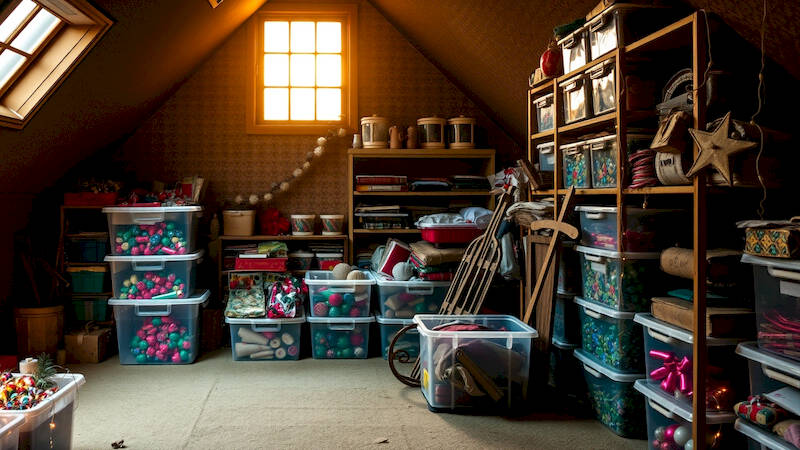
The glow of holiday lights is undeniably magical, transforming homes into festive beacons of cheer. But this beauty often comes with a post-holiday headache: the dreaded task of untangling and storing those same lights and extension cords. Year after year, many of us resign ourselves to wrestling with knotted messes, a process that’s frustrating, time-consuming, and can even damage delicate strands. Beyond the inconvenience, improper storage can significantly shorten the lifespan of your lights, costing you money in replacements. This isn't just about aesthetics; it’s about responsible organization and protecting your investment. This article will delve into a variety of smart storage solutions to ensure your outdoor holiday lights and extension cords remain in pristine condition, ready to illuminate your celebrations for years to come.
The challenges extend beyond simply preventing tangles. Outdoor lights are exposed to the elements, subject to moisture, temperature fluctuations, and potential pest infestations. Extension cords, critical for powering these displays, face similar vulnerabilities. Neglecting these factors can lead to corrosion, fraying, and even electrical hazards. A proactive approach to storage isn't just about tidiness; it's a safety measure. Furthermore, effective storage frees up valuable space in garages, basements, and attics, contributing to an overall more organized and functional home. In fact, a recent survey by the National Association of Productivity & Organizing Professionals (NAPO) found that 88% of homeowners identify cluttered storage areas as a significant source of stress.
This guide will explore practical, budget-friendly, and long-term storage solutions to address these concerns, ranging from DIY methods to commercially available products. It will cover techniques for properly winding, protecting, and labeling your lights and cords, ensuring a seamless setup process next holiday season. We’ll also discuss options for different quantities of lights and cords – from a single strand to elaborate displays – and provide advice on maintaining your inventory over time. Ultimately, the goal is to transform the post-holiday cleanup from a chore into a quick and efficient task.
- Winding Techniques: The Foundation of Tangle-Free Storage
- Dedicated Storage Containers: Protecting from the Elements
- Labeling & Inventory: Streamlining Future Setups
- Dedicated Hanging Storage: Maximizing Space & Accessibility
- Preventing Damage: Addressing Specific Cord & Light Types
- Long-Term Maintenance: Proactive Care for Lasting Displays
- Conclusion: Illuminate the Future with Organized Holiday Storage
Winding Techniques: The Foundation of Tangle-Free Storage
The way you wind your lights is arguably the most crucial aspect of long-term storage. Traditional haphazard wrapping is a recipe for disaster, inevitably leading to knots and damaged bulbs. Instead, embrace methods designed to minimize tension and prevent points of friction. One proven technique is the “over-under” method. This involves creating loops where each successive loop alternates direction – one over, one under – along the length of the cord or light strand. This prevents the strands from twisting around each other, a common cause of tangles. Practice this with a small section first to get the hang of it; it feels counterintuitive at first but yields excellent results.
Another popular and equally effective technique is utilizing a cardboard form, such as an empty wrapping paper or paper towel roll. Gently wrap the lights around the cardboard, keeping the loops relatively loose. This provides structure and prevents the lights from collapsing into a tangled heap. For longer strands, consider using a larger piece of cardboard, cut to size, or even a small section of PVC pipe. This method is particularly well-suited for mini lights, as their delicate wiring is less likely to be stressed during wrapping. Ensure the cardboard is clean and dry to prevent moisture buildup within the coil.
Finally, never wrap lights too tightly. A tight wrap can damage the wires and bulbs, decreasing their lifespan. Leave a little slack in each loop to accommodate any natural curvature of the strand. Consider documenting the approximate length of your light strands as you wind them; this will save you headache when planning your display next year.
Dedicated Storage Containers: Protecting from the Elements
Once your lights are neatly wound, proper containment is essential. Simple plastic storage bins are a great starting point, but choosing the right type and features can make a significant difference. Opt for bins with secure, snap-on lids to protect against dust, moisture, and pests. Clear bins allow you to easily identify the contents without having to open them, saving time and effort. Don’t underestimate the benefits of sturdy construction; flimsy bins can crack or break, compromising their protective function.
Beyond basic bins, consider specialized light storage containers. These often feature individual compartments or spooling systems designed specifically for wound light strands. They offer superior organization and prevent lights from bumping against each other, reducing the risk of breakage. These are available at most hardware and home improvement stores, with prices ranging from affordable to premium depending on capacity and features. For extension cords, opt for slightly larger bins that can accommodate the coiled cord without excessive bending. Also, consider adding desiccant packets (silica gel) to bins to absorb any residual moisture, further protecting your lights and cords from corrosion.
Some experts, like professional organizers at “The Container Store”, advocate for color-coding bins based on light type (e.g., white lights in white bins, multicolored lights in clear bins). This adds an extra layer of organization and speeds up the setup process. Furthermore, ensure the storage area itself is dry and well-ventilated to prevent moisture buildup.
Labeling & Inventory: Streamlining Future Setups
Even with perfect winding and secure storage, a lack of organization can defeat the purpose. Detailed labeling is crucial for quickly identifying the contents of each container and avoiding frustration during setup. Use a permanent marker to clearly label each bin with a description of its contents – for example, “Front Porch Icicle Lights – 200 Count,” or “Extension Cord – 50ft Heavy Duty.” Be specific! Vague labels like “Christmas Lights” are virtually useless when you have multiple sets of different types.
Take this a step further by creating a simple inventory list. This can be a handwritten document, a spreadsheet, or a dedicated app on your smartphone. Include the type of lights or cord, its length, the number of bulbs (if applicable), and any special features (e.g., remote control, color-changing). This inventory will not only help you locate specific items but also ensure you have all the necessary components for your display. A digital inventory allows for easy updates and searching. Professional landscapers and holiday lighting installation companies routinely employ comprehensive digital inventories to manage large-scale installations.
Consider photographing each set of lights before storing them. This visual reference can be incredibly helpful if a bulb burns out and you need to find a replacement that matches exactly. The photograph can also serve as a reminder of how you arranged the lights in your display, simplifying the setup process next year.
Dedicated Hanging Storage: Maximizing Space & Accessibility
For those with limited storage space, hanging storage solutions can be a lifesaver. Utilize wall-mounted racks or shelving to keep light storage bins off the floor and out of the way. Heavy-duty hooks can be used to hang wound extension cords, preventing them from becoming tangled with other items. Garage organization systems often include specifically designed hooks and racks for cord management.
Another effective option is repurposed coat hangers. Wrap light strands around the hanger’s body, creating a compact and easy-to-hang storage solution. This works particularly well for shorter strands or accent lights. Ensure the hangers are sturdy enough to support the weight of the lights and are securely mounted to prevent them from falling.
In some cases, utilizing existing storage areas in unconventional ways can be effective. The back of a garage door, for example, can be fitted with shelving or hooks to provide additional hanging storage space. The key is to maximize vertical space and keep items organized and accessible.
Preventing Damage: Addressing Specific Cord & Light Types
Different types of lights and cords require slightly different storage considerations. LED lights, while more durable than incandescent lights, are still susceptible to damage from excessive bending or compression. Avoid tightly winding LED strands and consider using the cardboard form method to provide extra support. Incandescent lights, with their more fragile bulbs, require even more careful handling.
Extension cords, especially heavy-duty outdoor cords, should be coiled loosely to prevent kinking. Kinking can damage the internal wiring and compromise the cord’s safety. Avoid storing cords in direct sunlight, as UV exposure can degrade the rubber insulation over time. For longer cords, consider using a dedicated cord reel to keep them neatly coiled and prevent tangling. Regularly inspect extension cords for any signs of damage, such as fraying or cracking, and discard any cords that are compromised. The Electrical Safety Foundation International (ESFI) recommends inspecting cords annually to ensure they meet safety standards.
Long-Term Maintenance: Proactive Care for Lasting Displays
Storage isn’t a one-time event. Regular maintenance will extend the lifespan of your lights and cords. Every year, before storing your lights, inspect them for any damaged bulbs or wiring. Replace any faulty components to prevent further damage during storage. Clean the lights with a soft cloth to remove any dirt or debris. Don't use harsh chemicals or abrasive cleaners, which can damage the surface of the lights.
When storing extension cords, ensure they are completely dry before placing them in containers. Moisture can cause corrosion and compromise the cord’s insulation. Periodically check the storage area for signs of pests, such as rodents or insects, and take appropriate measures to prevent infestation. Addressing minor issues proactively will save you time and money in the long run.
Conclusion: Illuminate the Future with Organized Holiday Storage
Successfully storing outdoor holiday lights and extension cords isn’t just about tidiness; it’s about preserving your investment, ensuring safety, and simplifying future celebrations. By adopting the strategies outlined in this guide – focusing on careful winding techniques, utilizing dedicated storage containers, implementing robust labeling systems, maximizing space with hanging solutions, addressing specific cord and light types, and committing to long-term maintenance – you can transform the post-holiday cleanup from a dreaded chore into a quick and efficient task.
Remember, the key takeaways are to prioritize preventing tangles, protecting against the elements, and streamlining the setup process for years to come. Start small: tackle one set of lights or one extension cord at a time. Invest in a few quality storage containers. Create a simple inventory list. These small steps will make a significant difference. Don't let another holiday season be overshadowed by the frustration of tangled lights. Take control of your holiday storage today, and enjoy the magic of the season for years to come.
Deja una respuesta