
Step-by-Step Closet Makeover for Busy Professionals
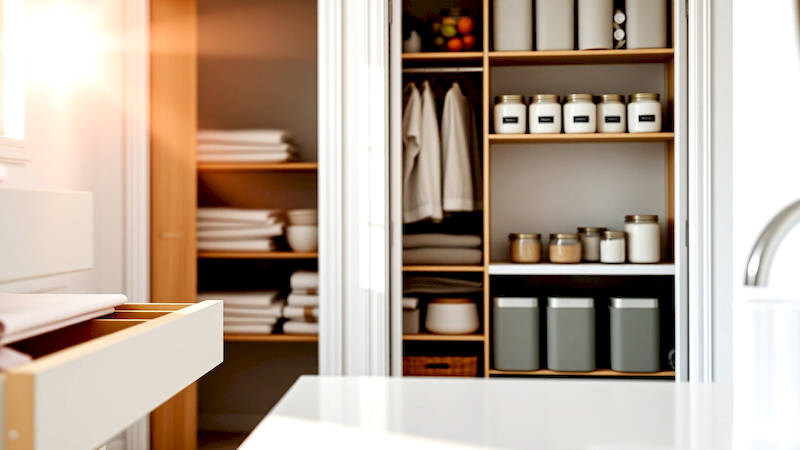
The modern professional juggles a demanding career, a social life, and personal well-being, leaving precious little time for tedious tasks. Often, the mundane – like maintaining a functional closet – falls by the wayside. But a disorganized closet isn’t just an aesthetic issue; it’s a time thief, a source of daily stress, and can even impact your professional image. Think of those frantic mornings spent searching for a specific outfit, or the feeling of being overwhelmed by a mountain of clothes. A well-organized closet streamlines your routine, boosts your confidence, and ultimately, allows you to focus on what truly matters: your career and life goals.
This isn't about achieving a magazine-worthy walk-in closet—although that's a nice bonus!—it's about creating a functional space tailored to your needs and lifestyle. We’re taking a pragmatic approach, recognizing the constraints of a busy professional’s schedule and design for sustained organization. This guide provides a step-by-step blueprint for a closet makeover, offering actionable advice and strategies to transform your closet from a chaotic mess into a streamlined command center for your wardrobe.
- Step 1: The Ruthless Purge - Decluttering for Clarity
- Step 2: Assessing Your Space & Identifying Needs
- Step 3: Implementing Smart Storage Solutions
- Step 4: Optimizing for Accessibility & Workflow
- Step 5: Maintaining the Momentum - Habits for Long-Term Order
- Step 6: Beyond the Clothes - Accessories and Finishing Touches (Optional)
Step 1: The Ruthless Purge - Decluttering for Clarity
Before even thinking about storage solutions, the first step is a complete declutter. Be honest with yourself: how many items haven’t been worn in the past year? How many have ill-fitting sizes that you're hoping to fit into “someday”? Procrastination is the enemy here; the more you eliminate, the easier the rest of the process will become. Implement the "four-box method": Keep, Donate, Sell, and Trash. Be extremely critical. If an item doesn't fit well, isn’t flattering, is damaged beyond repair, or simply doesn’t align with your current professional style, let it go.
The psychological impact of decluttering is significant. Research from Princeton University’s Neuroscience Institute shows that clutter competes for our attention, resulting in decreased performance and increased stress levels. A cleaner physical space translates to a clearer mental space. Don’t fall into the trap of sentimental attachment. Take a picture of the item if it holds sentimental value, but release the physical object. Consider the timeframe of frequent use - if you haven't worn it seasonally, it likely isn't serving a purpose.
This isn’t just about getting rid of clothes. Accessories, shoes, and even old dry cleaning receipts need assessing! Donate gently used items to charities, sell higher-value pieces online or at consignment shops, and discard anything that’s worn out or beyond saving. Remember, a smaller, well-curated wardrobe is far more valuable than a huge, overwhelming one.
Step 2: Assessing Your Space & Identifying Needs
Once the declutter is complete, it’s time to evaluate your existing closet layout and identify areas for improvement. Take precise measurements of the closet’s dimensions: height, width, and depth. Note the placement of existing shelves, rods, and lighting. Consider your wardrobe composition: What types of garments do you own the most of (suits, dresses, shirts, pants)? What types of accessories do you need to store (shoes, belts, ties)? A detailed assessment informs the selection of appropriate organizational tools.
This is also the point to be realistic about your budget. Closet organization can range from a few inexpensive bins to a complete custom renovation. Define your spending limit upfront. Consider whether you need to prioritize vertical space, double-hanging rods, or more shelving. Before rushing out to purchase storage solutions, spend some time sketching out possible layouts. There are numerous closet design tools available online, or you can simply use graph paper. Think about accessibility – frequently used items should be within easy reach, while seasonal items can be stored higher up or further back.
Finally, consider any specific challenges your closet presents. Is it awkwardly shaped? Does it lack adequate lighting? Do you share the closet with a partner? Addressing these issues early on will prevent frustration later.
Step 3: Implementing Smart Storage Solutions
Now comes the fun part: implementing organizational tools. The key is to maximize space and create visual order. Adjustable shelving is a fantastic investment, allowing you to customize the space to fit your specific needs. Slimline velvet hangers are a game-changer: they save space and prevent clothes from slipping off. Utilize vertical space with over-the-door organizers for shoes, accessories, or cleaning supplies. Bins and baskets are invaluable for containing smaller items like socks, underwear, and scarves.
Categorization is crucial. Group clothes by type (shirts, pants, dresses) and then by color. This makes it easier to find what you're looking for and creates a visually appealing display. Invest in drawer dividers to keep folded clothes neatly organized. For suits and delicate items, consider garment bags to protect them from dust and wrinkles. Don't underestimate the power of shoe racks; keeping shoes off the floor instantly creates a more organized look. A smart rule of thumb: everything should have a designated “home.”
Consider incorporating some less common but highly effective storage options. Scarf hangers or tie racks maximize space and prevent wrinkles. Rolling clothes instead of folding them can save a surprising amount of space, particularly in drawers.
Step 4: Optimizing for Accessibility & Workflow
Organization isn't just about what you store; it's about how you store it. The most visually appealing system is useless if it’s not functional. Place frequently worn items at eye level and within easy reach. Seasonal items can be stored on higher shelves or in less accessible areas. Consider your morning routine: what items do you need to grab first thing? Make sure those are readily available.
Create a “work zone” within your closet. This could be a small space for ironing, folding laundry, or planning outfits. Install a full-length mirror to assess your outfits before leaving the house. Good lighting is essential – consider adding LED strip lights to illuminate dark corners. Maximize the use of the door – a door-mounted ironing board or jewelry organizer can save space.
Regularly evaluate your system and make adjustments as needed. What’s working well? What’s not? Don’t be afraid to experiment and refine your approach. The goal is to create a closet that adapts to your evolving needs.
Step 5: Maintaining the Momentum - Habits for Long-Term Order
The closet makeover isn't a one-time event; it requires ongoing maintenance. Implement the "one in, one out" rule: whenever you purchase a new item of clothing, get rid of something similar. This prevents your wardrobe from becoming overcrowded again. Schedule a quick closet audit every season to remove items you no longer wear or need.
Develop the habit of putting clothes away immediately after wearing them (or after laundry). Don’t let clothes pile up on chairs or the floor. This small step can make a huge difference in maintaining order. According to a study by The Container Store, people who spend just 15 minutes a day tidying up have significantly less stress and more free time.
Finally, resist the urge to overshop. Before making a purchase, ask yourself: “Do I really need this? Does it fill a gap in my wardrobe? Will I wear it frequently?” Mindful consumption is the key to long-term closet control.
Step 6: Beyond the Clothes - Accessories and Finishing Touches (Optional)
While clothing forms the bulk of most closets, don't neglect accessories. Utilize clear acrylic drawers for jewelry, belts, and scarves. Wall-mounted jewelry organizers save space and keep necklaces tangle-free. Invest in a stylish hat rack or shelf if you have a hat collection. Shoe storage deserves special attention – consider clear shoe boxes for visibility, or a rotating shoe rack for maximizing space.
Adding finishing touches like a scented sachet or a small plant can make your closet a more pleasant space to be in. A comfortable stool or bench can be useful for putting on shoes. Ensure proper ventilation to prevent mustiness. Ultimately, a well-organized closet should be a reflection of your personal style and a functional extension of your daily routine.
In conclusion, transforming your closet from a source of stress into a streamlined sanctuary is within reach, even with a demanding professional lifestyle. By embracing a ruthless declutter, carefully assessing your needs, implementing smart storage solutions, and establishing sustainable habits, you can create a space that maximizes efficiency and minimizes morning chaos. The benefits extend beyond just a tidy wardrobe – a well-organized closet promotes a clearer mind, reduces stress, and ultimately empowers you to tackle your professional goals with confidence and poise. The initial investment of time and effort will pay dividends in the form of saved time, increased productivity, and a more polished, put-together you. Now, take that first step – your future, more organized, self will thank you.
Deja una respuesta