
Step-by-Step Closet Organization for Small Mudroom Spaces
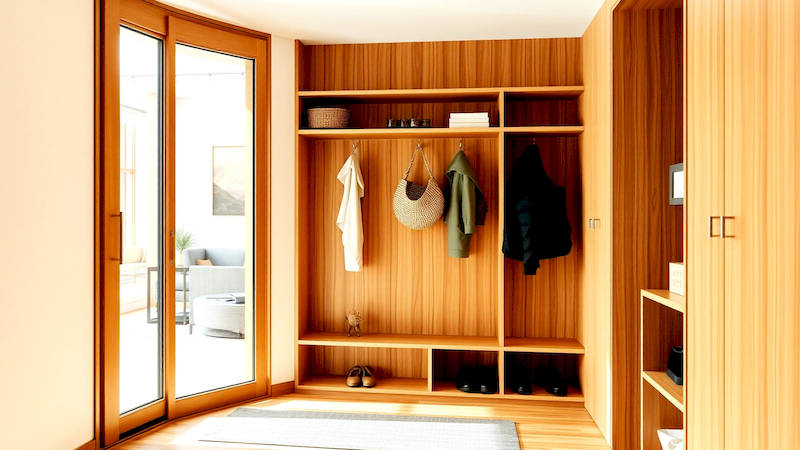
The mudroom. Often the first (and last!) point of contact for your home, it’s a space perpetually battling clutter. Jackets, shoes, backpacks, sports equipment – a small mudroom can quickly descend into a chaotic drop zone, impacting not only your home's aesthetic but also your daily stress levels. A well-organized mudroom isn’t just about tidiness; it’s about efficiency, creating a welcoming first impression, and streamlining your family's routines. But achieving order in a limited space requires a thoughtful, strategic approach.
Many homeowners overlook the potential of their mudroom closets, treating them as mere storage vessels rather than functional organization hubs. This leads to piling, shoving, and ultimately, a sense of defeat. The good news is even the smallest mudroom closet can be transformed into a surprisingly spacious and efficient area with the right techniques. This article will provide a comprehensive, step-by-step guide to maximizing your small mudroom closet's potential, offering practical solutions and actionable ideas to help you conquer the chaos and reclaim your entryway.
- Phase 1: The Complete Declutter & Assessment
- Phase 2: Vertical Space – The Mudroom Closet’s Secret Weapon
- Phase 3: Maximizing Hanging Space – Beyond Coats
- Phase 4: Containment is Key: Bins, Baskets & Labels
- Phase 5: Shoe Storage Solutions for Tight Spaces
- Phase 6: Maintaining the Momentum - A Routine for Success
Phase 1: The Complete Declutter & Assessment
The absolute first step, regardless of how eager you are to buy organizers, is a ruthless declutter. This isn't merely about tidying; it's about honestly assessing what you need versus what you hold onto. Pull everything – and we mean everything – out of the closet. Resist the urge to start putting things back immediately. Lay it all out where you can see the full extent of the accumulation. According to a 2022 study by the National Association of Productivity and Organizing Professionals (NAPO), the average American household owns 300 items that haven't been used in over six months. This statistic highlights the common tendency to hold onto items “just in case,” contributing significantly to clutter.
Divide the items into four categories: Keep, Donate, Trash, and Relocate. Be brutal with yourself. That winter coat you haven’t worn in three years? Donate it. Those outgrown shoes? Donate or consign them. Duplicate items? Keep the best and let go of the rest. The "Relocate" pile is crucial. Many items end up in the mudroom that actually belong elsewhere– a broken toy, bills, or office supplies. Putting these items back where they belong immediately frees up valuable space within the mudroom.
Once completely empty, thoroughly clean the closet. Wipe down shelves, vacuum the floor, and consider a fresh coat of paint to brighten the space. This clean slate will invigorate your organization efforts and make the entire process feel more rewarding. Finally, carefully measure the interior dimensions of the closet – height, width, and depth – to ensure any organizers you purchase will fit perfectly. This initial assessment is arguably the most important step because it sets the foundation for a truly functional and organized space.
Phase 2: Vertical Space – The Mudroom Closet’s Secret Weapon
Small spaces benefit enormously from leveraging vertical space. Standard closets often leave a significant amount of unused area above and below hanging rods. Installing adjustable shelving is the single most impactful change you can make. Adjustable shelves offer flexibility as your needs evolve and allow you to customize the space to accommodate items of varying heights, from boots to folded sweaters. Consider using sturdy, wire shelving units or custom-built wooden shelves depending on your budget and aesthetic preferences.
Beyond shelving, explore utilizing the back of the closet door. Over-the-door organizers with clear pockets are ideal for storing smaller items like hats, gloves, scarves, and even cleaning supplies. Choose an organizer that fits your door's dimensions and is made from durable material. "Think of the back of the door as prime real estate,” says professional organizer Marie Kondo, author of The Life-Changing Magic of Tidying Up. “It’s often overlooked, but it can significantly expand your storage capacity." Don’t forget about utilizing the space near the ceiling. Labeled bins or baskets on high shelves are perfect for storing seasonal items, like winter hats and gloves in the summer, or beach toys in the winter.
Phase 3: Maximizing Hanging Space – Beyond Coats
Hanging space isn't limited to coats and jackets. Think creatively about what else can be hung to free up floor and shelf space. Install double hanging rods to create two tiers of hanging space, enabling you to store shorter items like vests, shirts, and even folded pants. Consider using slimline hangers to maximize space on the rods. These hangers take up significantly less room than traditional hangers, allowing you to fit more clothes into the same space.
Hooks are your friends. Install a series of sturdy hooks on the walls, either individually or as part of a hook rack. Hooks are ideal for hanging backpacks, bags, dog leashes, and even frequently used jackets. Different hook styles can add a functional decorative touch. Invest in heavy duty hooks suitable for the weight of the items you plan to hang.
Phase 4: Containment is Key: Bins, Baskets & Labels
Once you’ve maximized vertical and hanging space, it’s time to contain the remaining items using bins and baskets. Choose bins and baskets in various sizes to accommodate different items. Opaque bins are great for concealing clutter, while clear bins allow you to easily see the contents. Woven baskets add texture and a more aesthetic appeal. The key is consistency. Choose a style and stick with it for a cohesive look.
However, simply placing items in bins and baskets isn’t enough. Labeling is essential. Clear, concise labels will ensure everyone in the family knows where things go and make it easier to maintain organization. Use a label maker or handwritten labels for a personalized touch. Categorize your items logically – "Winter Hats & Gloves," "School Supplies," "Sports Equipment," etc. This makes retrieving and returning items a breeze.
Phase 5: Shoe Storage Solutions for Tight Spaces
Shoes are notoriously space-consuming, especially in a mudroom. Traditional shoe racks can take up valuable floor space. Instead, opt for vertical shoe organizers that mount to the wall or hang over the door. These organizers minimize the footprint while maximizing storage capacity. Shoe cubbies are another excellent option, particularly for families with multiple pairs of shoes.
Consider using clear shoe boxes to protect your shoes from dust and damage while allowing you to easily see what’s inside. If space is truly at a premium, think about storing out-of-season shoes elsewhere, such as in the attic or basement. Remember to clean shoes before storing them to prevent dirt and grime from spreading.
Phase 6: Maintaining the Momentum - A Routine for Success
Organization is not a one-time event; it’s an ongoing process. Establishing a daily or weekly maintenance routine is crucial for preventing the mudroom closet from reverting to chaos. Designate a few minutes each day to quickly tidy up, putting items back in their designated places. Encourage all family members to participate in this routine.
Implement a "one in, one out" rule: When you purchase a new item (like a new pair of boots), donate or discard an old one. This prevents accumulation and keeps the clutter at bay. Schedule a more thorough decluttering session every season to reassess your needs and make adjustments to your organization system. Regular maintenance, even in small doses, is the key to long-term success.
In conclusion, transforming a small mudroom closet into an organized haven requires a commitment to decluttering, strategic space utilization, and a consistent maintenance routine. By leveraging vertical space, maximizing hanging storage, employing containment strategies, and implementing a system of labeling, you can overcome the challenges of limited space and create a functional, welcoming entryway. Remember to adapt these suggestions to your specific needs and preferences. The goal isn’t just to achieve a tidy closet, but to create a space that simplifies your daily life and minimizes stress. Start small, be consistent, and enjoy the peace of mind that comes with a well-organized mudroom.
Deja una respuesta