
Step-by-Step Guide to Organizing Utility Room Cleaning Supplies
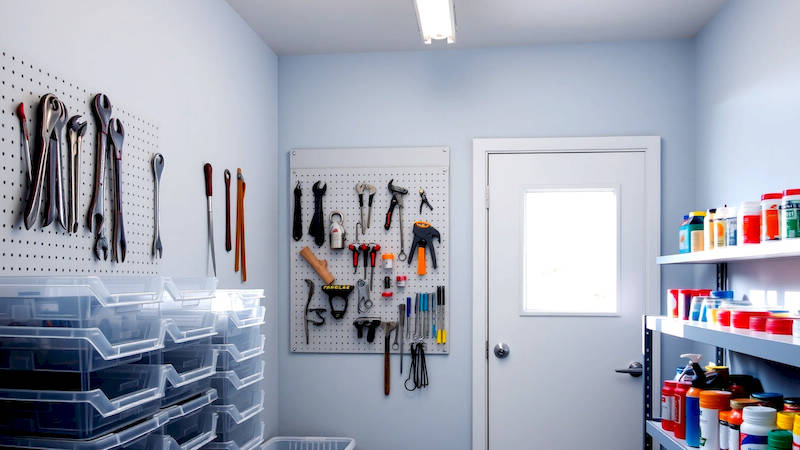
The utility room, often an overlooked workhorse of the home, is frequently crammed with cleaning supplies, laundry essentials, and a host of other items. For many, it becomes a dumping ground, leading to frustration when trying to locate that specific cleaner or simply maintain a tidy space. A well-organized utility room isn’t just aesthetically pleasing; it significantly improves efficiency, saves time, and even reduces waste by preventing the purchase of duplicates. It's a space that deserves dedicated attention, especially considering the frequency with which we utilize its contents.
This isn’t merely about aesthetics – a chaotic utility room can negatively impact your overall home organization. According to a study by The Container Store, 80% of homeowners admit to having clutter in at least one room of their house, and the utility room is consistently ranked among the most problematic. The challenge lies in effectively managing a diverse range of products with varying sizes, shapes, and usage frequencies. Addressing this requires a systematic approach, one that goes beyond simple decluttering and delves into optimal storage solutions and maintenance strategies.
This guide will provide a comprehensive, step-by-step approach to organizing your utility room cleaning supplies, empowering you to create a functional and stress-free space. We'll cover everything from initial decluttering and product assessment to implementing smart storage solutions and establishing a routine for ongoing maintenance. The goal is not just to organize, but to create a system that endures.
- Phase 1: The Great Declutter – Assessing & Purging
- Phase 2: Zone Creation – Defining Dedicated Spaces
- Phase 3: Intelligent Storage Solutions – Maximizing Space
- Phase 4: Strategic Product Containment – Preventing Leaks & Messes
- Phase 5: Maintaining the System – Routine & Restocking
- Conclusion: A Functional Foundation for a Tidy Home
Phase 1: The Great Declutter – Assessing & Purging
The first and arguably most critical step is a complete declutter. This isn't simply about tidying up; it's about honestly assessing what you actually use and discarding the rest. Begin by removing everything from your shelves, cabinets, and floor. Resist the urge to start organizing as you go – everything needs to be out in the open to fully understand the scope of the situation. This is the time to be ruthless. Expired products, half-empty bottles you’ll never finish, and cleaners you’ve tried and disliked all need to be identified for removal.
Once everything is out, sort items into categories: all-purpose cleaners, bathroom cleaners, laundry supplies, floor cleaners, specialized cleaners (glass, wood, etc.), and any associated tools (sponges, cloths, brushes). As you sort, inspect each product for expiration dates. Many cleaning products lose their efficacy over time and can even become harmful. The EPA provides guidelines on proper disposal of household hazardous waste, which should be consulted when discarding chemicals. Don’t forget to check for duplicates; a common find in utility rooms is multiple bottles of the same cleaner purchased over time and forgotten about.
Finally, critically evaluate items you are unsure about. A good rule of thumb is: if you haven’t used it in the last six months, and it doesn’t serve a very specific and irreplaceable purpose, it's likely time to let it go. Consider donating unopened, unused products to local charities or shelters. A well-executed decluttering phase lays the foundation for a truly organized utility room, preventing you from simply reorganizing clutter.
Phase 2: Zone Creation – Defining Dedicated Spaces
With the clutter removed, the next step is strategically planning your utility room layout by creating dedicated zones. This is crucial for maximizing efficiency and ensuring everything has a designated place. Consider grouping items based on their usage. A “Laundry Zone” might house detergents, stain removers, fabric softeners, and dryer sheets. A “Floor & Surface Zone” could contain floor cleaners, wood polish, and furniture sprays. A "Bathroom Zone" grouping is helpful to have all-in-one and avoids searching the entire room when you need a bathroom cleaner.
Think about the placement of these zones relative to the areas where you perform the associated tasks. For example, the laundry zone should be close to the washing machine and dryer, and the floor cleaning zone should be easily accessible when heading to clean floors. Furthermore, consider a dedicated "Tool Zone" for brushes, sponges, cloths and other cleaning implements, segregating them from the cleaning chemicals themselves. Vertical space is your friend here - shelves are invaluable, and utilizing the often-overlooked space above the washing machine or dryer can add significant storage capacity.
Remember to prioritize safety. Store hazardous chemicals (bleach, ammonia, drain cleaners) in a locked cabinet or on a high shelf, out of reach of children and pets. This also prevents accidental mixing of chemicals, which can create dangerous fumes. Utilizing zones transforms the utility room from a chaotic storage space into a functional workstation, making cleaning tasks faster and more efficient.
Phase 3: Intelligent Storage Solutions – Maximizing Space
Now that you’ve decluttered and zoned, it's time to invest in intelligent storage solutions. Basic shelving is a good starting point, but consider adjustable shelves to accommodate items of varying heights. Clear plastic bins are excellent for containing smaller items within each zone, creating visual order and preventing spills. Labeled bins are even better – clearly label each bin with its contents for easy identification. Consider using a label maker if you don’t like the look of handwritten labels.
Wall-mounted organizers can be incredibly space-saving. Utilize over-the-door organizers for sponges, cloths, and spray bottles. Hooks are ideal for hanging mops, brooms, and dustpans, freeing up floor space. Rolling carts offer flexible storage that can be easily moved around as needed. For items used frequently, ensure they are easily accessible; store them at eye level or within arm's reach. Less frequently used items can be stored on higher shelves or in less accessible locations.
Don’t overlook the often-wasted space under the sink. Utilize pull-out drawers or organizers to maximize this area, keeping frequently used products readily available. Consider investing in a caddy to transport cleaning supplies from room to room, streamlining your cleaning routine. The key is to think vertically and utilize every inch of available space.
Phase 4: Strategic Product Containment – Preventing Leaks & Messes
Beyond simply storing cleaning supplies, consider how you store them to prevent leaks, spills, and general mess. Original packaging is often inadequate, particularly for liquids. Transferring liquids into more robust, leak-proof containers with tight-fitting lids is a worthwhile investment. Utilize spill-proof trays under potentially leaky bottles. This is especially important for products like bleach or drain cleaners.
For spray bottles, ensure the nozzles are functioning correctly and haven’t become clogged. Consider replacing brittle or damaged spray bottles with newer, more durable ones. Store spray bottles upright to prevent leakage. Organize products so that those that are more likely to leak or spill are placed on lower shelves, minimizing the distance they will fall. For powdered cleansers, ensure the containers are tightly sealed to prevent clumping and spills.
Also, prioritize grouping products by compatibility. Never store bleach and ammonia together, as mixing them can create toxic fumes. Refer to product labels for storage instructions and warnings. By taking these proactive steps, you can significantly reduce the risk of accidents and maintain a cleaner, safer utility room.
Phase 5: Maintaining the System – Routine & Restocking
Organization is not a one-time event; it's an ongoing process. Establishing a routine for maintaining your organized utility room is crucial for long-term success. Dedicate 15-30 minutes each week to quickly tidy up, put items back in their designated places, and wipe down shelves. Regularly check for leaks or spills and address them immediately.
Develop a system for restocking supplies. When you use the last of a product, add it to a shopping list. Consider keeping a dedicated "restock" bin where you can store newly purchased items until you're ready to put them away. Regularly declutter again – even with a well-established system, items can accumulate over time. A mini-declutter every season can help prevent the utility room from reverting to its former chaotic state. Consider a “one in, one out” rule - when you purchase a new cleaning product, discard an old one.
Finally, involve the whole family. Ensure everyone knows where items are stored and encourage them to put things back in their place. By making organization a shared responsibility, you can maintain a functional and efficient utility room for years to come.
Conclusion: A Functional Foundation for a Tidy Home
Organizing your utility room cleaning supplies is an investment in a more efficient and stress-free home life. By following this step-by-step guide – from the initial declutter and zone creation to implementing smart storage solutions and establishing a maintenance routine – you can transform a chaotic space into a functional and organized hub. Remember that the most effective system is one that is tailored to your specific needs and habits.
The key takeaways are to be ruthless with decluttering, prioritize safety in storage, and embrace consistency in maintaining order. Don’t be afraid to experiment with different storage solutions and organizational strategies until you find what works best for you. A well-organized utility room isn't just about neatness; it's about reclaiming control of your space, saving time, and simplifying your daily routine. Start small, stay consistent, and enjoy the benefits of a truly functional and organized utility room.
Deja una respuesta