
Teaching Kids Responsibility Through Fun Organization Systems
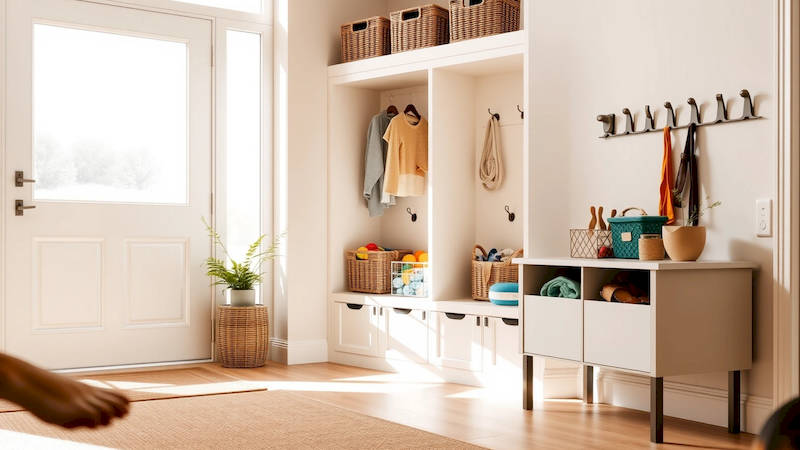
The battle against toy clutter is a universal parenting experience. Beyond the sheer visual chaos, a messy room often signifies a deeper issue: a lack of instilled responsibility. While it's tempting to swoop in and “just fix it,” constantly cleaning for our children hinders their development of essential life skills. Teaching kids to take ownership of their belongings and spaces isn’t about creating Pinterest-perfect rooms; it’s about fostering independence, self-discipline, and a sense of pride in their surroundings. This article delves into how to build fun, engaging organization systems that empower children to become responsible stewards of their possessions, turning tidying from a chore into a valuable learning experience.
A key aspect to understand is the developmental stage of your child. What works for a three-year-old won't necessarily resonate with a ten-year-old. Expecting a young child to independently maintain a complex system is unrealistic. Instead, focus on small, achievable tasks, gradually increasing complexity as their abilities mature. The goal isn’t perfection, but progress. By framing organization as a collaborative effort and celebrating successes, you create a positive association with tidiness. Furthermore, linking chores and organizational responsibilities with privileges can be a powerful motivator, establishing a clear connection between effort and reward.
- The Foundation: Age-Appropriate Expectations & Systems
- Making it Fun: Gamification & Visual Appeal
- The Power of Decluttering: A Collaborative Process
- Establishing Routines: Consistency is Key
- Leading by Example: Modeling Organized Behavior
- Addressing Resistance and Troubleshooting Common Challenges
- Long-Term Benefits: Beyond a Tidy Room
The Foundation: Age-Appropriate Expectations & Systems
Setting realistic expectations is paramount. A preschooler's organizational skills will be vastly different from a pre-teen's. For younger children (ages 3-5), focus on simple sorting: toys in designated bins labelled with pictures (cars, blocks, dolls). The emphasis should be on putting things away rather than perfectly organizing them. Break down tasks into manageable steps, like “Put all the red blocks in the red bin.” Avoid open-ended instructions like "Clean up your room" which can be overwhelming. Instead, offer specific reminders and guidance.
For elementary-aged children (6-11), you can introduce more detailed systems. This could involve categorizing toys by type (building toys, art supplies, outdoor toys), using shelf dividers to maintain order, and designating specific spots for books and games. Introduce the concept of rotating toys, keeping some stored away and swapping them out periodically to maintain interest and prevent clutter. According to research by the National Association of Productivity and Organizing Professionals (NAPO), children who learn organizational skills at a young age are more likely to experience academic success and improved self-esteem.
Finally, with teenagers (12+), the focus shifts towards independent responsibility. While guidance is still needed, empower them to create systems that work for them. Encourage them to declutter regularly, donate unwanted items, and maintain a clean and organized study space. This is a crucial time to emphasize the connection between a tidy environment and focused productivity, particularly as academic demands increase.
Making it Fun: Gamification & Visual Appeal
Organization doesn't have to be a drag. Gamification is a fantastic tool for motivating children. Turn tidying into a game by setting a timer and challenging them to beat the clock. Create a "treasure hunt" where they have to find all the items that belong in a specific bin. Reward systems, such as sticker charts or small privileges, can also be effective, particularly for younger children. However, be mindful of relying solely on rewards, as the intrinsic motivation to maintain order is the ultimate goal.
Visual appeal is also crucial. Brightly coloured bins, playful storage containers, and creatively labelled shelves can transform a mundane task into something more enjoyable. Allow children to participate in the selection of storage solutions, giving them a sense of ownership and investment in the system. Consider using wall-mounted shelves to display favourite toys and books, creating a visually stimulating and organized space. Furthermore, incorporating their artwork or personal touches into the room decor can make it feel more like their space, enhancing their desire to keep it tidy.
The Power of Decluttering: A Collaborative Process
Decluttering is an essential component of any successful organization system. However, it’s crucial to approach this process collaboratively with your child. Don't simply purge their belongings without their input. Instead, work with them to identify items they no longer use or love. Make it a learning experience by discussing the concept of donating to those in need, emphasizing the positive impact of generosity.
A helpful method is the “Four Box Method”: Keep, Donate, Trash, and Maybe. Explain each category clearly and encourage your child to honestly assess their belongings. For items they are hesitant to part with, ask questions like, “Have you played with this in the last six months?” or “Does this still fit you?”. This encourages critical thinking and helps them develop a better understanding of their possessions. Remember that decluttering should be an ongoing process, not a one-time event. Schedule regular decluttering sessions (e.g., before birthdays and holidays) to prevent clutter from accumulating.
Establishing Routines: Consistency is Key
Organization thrives on routine. Establish a daily or weekly tidying schedule and consistently enforce it. For example, implement a "10-minute tidy-up" before bedtime, where everyone in the family participates in cleaning their designated areas. Similarly, designate a specific day each week for a more thorough cleaning session. The key is consistency.
Don’t undermine your efforts by constantly “rescuing” them from the consequences of a messy room. If they don't put away their toys before bedtime, they may not be able to play with them the next day. This teaches them that their actions have consequences and that maintaining order is a necessary condition for enjoying their belongings. As Dr. Laura Markham, a parenting expert, notes, "Children learn responsibility by experiencing the natural consequences of their choices."
Leading by Example: Modeling Organized Behavior
Children learn by observing their parents. If you are disorganized, it will be challenging to convince your child to be organized. Model the behavior you want to see in your child by keeping your own belongings tidy and demonstrating a consistent commitment to organization. This doesn’t mean your home needs to be spotless at all times, but it does mean showing them the value you place on order.
Involve your child in your own organizational efforts. For example, let them help you sort laundry or organize pantry items. This demonstrates that organization is a shared responsibility and reinforces the importance of maintaining order in all areas of the home. Your actions speak louder than words; consistently modeling organized behavior will have a lasting impact on your child's development.
Addressing Resistance and Troubleshooting Common Challenges
Resistance is inevitable. Children may initially resist attempts to impose organization systems, especially if they are accustomed to a more chaotic environment. Be patient and understanding. Acknowledge their feelings and validate their concerns. Instead of forcing them to comply, try to understand the underlying reasons for their resistance. Are they overwhelmed by the task? Do they feel like they are losing control over their belongings?
Common challenges include a lack of motivation, difficulty making decisions about what to keep and discard, and a tendency to revert to old habits. Address these challenges by breaking down tasks into smaller steps, providing encouragement and support, and celebrating their successes. If a particular system isn't working, be willing to adjust it. The goal is to find solutions that are both effective and sustainable. Remember that teaching responsibility is a process, not an event.
Long-Term Benefits: Beyond a Tidy Room
Teaching children responsibility through fun organization systems extends far beyond simply having a tidy room. It cultivates essential life skills such as time management, problem-solving, and decision-making. These skills are crucial for success in school, relationships, and future careers. Furthermore, a sense of order and control can reduce stress and anxiety, promoting emotional wellbeing.
By empowering children to take ownership of their belongings and spaces, you are helping them develop a sense of self-efficacy and confidence. They learn that they are capable of creating and maintaining order in their lives, fostering a sense of mastery and accomplishment. Investing in their organizational skills is an investment in their future, equipping them with the tools they need to navigate the challenges and opportunities that lie ahead.
In conclusion, teaching kids responsibility through fun organization systems isn’t about imposing rules, but about fostering independence. It’s about creating a supportive environment where they can learn, experiment, and develop essential life skills. By tailoring systems to their age and abilities, gamifying the process, and leading by example, you can transform tidying from a chore into a valuable learning experience. Remember that consistency, patience, and a collaborative approach are key. The long-term benefits—a greater sense of responsibility, improved time management skills, and increased self-confidence—are well worth the effort. Start small, celebrate successes, and remember that the ultimate goal is to empower your child to become a responsible and capable individual.
Deja una respuesta