
The Ultimate Checklist for Seasonal Kitchen Cabinet Overhaul
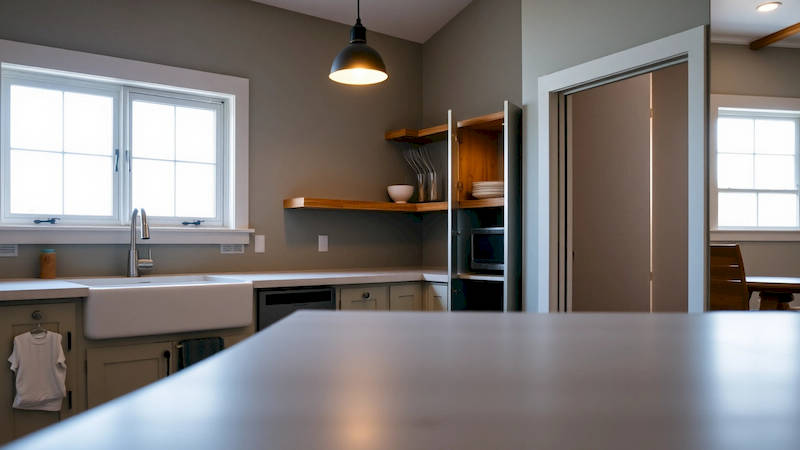
The kitchen, often considered the heart of the home, is a space prone to collecting clutter. While daily tidying can manage immediate messes, a truly effective organization strategy lies in periodic, thorough overhauls. Specifically, tackling kitchen cabinets seasonally offers a pragmatic approach to staying on top of pantry staples, cookware, and everything in between. This isn't simply about aesthetics; a well-organized kitchen enhances efficiency, reduces food waste, and ultimately, creates a more enjoyable cooking experience. Many underestimate the cumulative impact of disorganization – from the frustration of searching for a specific spice to the financial drain of buying duplicates of items already hidden in the back of a cabinet.
This seasonal overhaul process isn't just about purging and rearranging. It's a deep-dive assessment of your kitchen habits, a chance to reflect on what truly works, and an opportunity to optimize your space for your evolving needs. It’s a commitment to mindful consumption and efficient living. Thinking of it as a twice-yearly reset – spring and fall are ideal – rather than a daunting task, will make the process less overwhelming and ultimately more sustainable.
This comprehensive checklist will guide you through each step of the process, going beyond simple decluttering to help you establish long-term organization habits. We'll explore everything from initial assessment to smart storage solutions, ensuring your kitchen cabinets work for you, rather than against you.
Phase 1: The Initial Purge & Assessment
Before you even think about organizing, a ruthless purge is essential. Don’t fall into the trap of holding onto “just in case” items. The reality is, most of those items will likely never be used. This initial stage involves completely emptying each cabinet – yes, everything must come out. It’s messy, time-consuming, but absolutely critical. Group similar items together as you remove them. This initial sorting will act as a baseline for assessing how much you truly own and what categories consume the most space.
Once emptied, thoroughly clean the cabinets themselves. Wipe down shelves, vacuum crumbs, and address any lingering stains or spills. While the cabinets are empty, this is also an opportune time to line the shelves with fresh shelf liner – a simple aesthetic upgrade that also protects the cabinet surfaces. During the cleaning process, critically assess the structure of your cabinets. Are the shelves adjustable? Do you need additional storage solutions like risers or turntables? Identify any glaring weaknesses in the current layout.
Finally, as you begin to inspect the removed items, apply the four-box method: Keep, Donate, Discard, and Relocate. Be honest with yourself. For food items, check expiration dates. For cookware, ask yourself if you’ve used it in the last six months. For gadgets, determine if they authentically add value to your cooking process. According to a study by the National Association of Professional Organizers (NAPO), the average household throws away approximately $640 worth of expired or unused food each year, directly linked to poor pantry organization.
Phase 2: Categorizing & Inventory
Once you’ve pared down your collection, the next important step is to categorize items logically. Don't simply cram everything back in; think about how you actually use your kitchen. Common categories include baking supplies, breakfast items, canned goods, spices, snacks, cookware, small appliances, and dishware. Within each category, further sub-categorize for even greater efficiency. For example, within “baking supplies,” you may have flours, sugars, leavening agents, and extracts.
Creating an inventory list during this phase is incredibly valuable. You can use a simple notepad, a spreadsheet, or a dedicated pantry organization app. This inventory will serve as a reference point for future grocery shopping, preventing you from overbuying items you already have. It will also streamline meal planning, as you'll have a clear understanding of your available ingredients. Don't underestimate the power of knowing exactly what’s lurking in the back of your cabinets!
Consider creating a “first in, first out” (FIFO) system, particularly for food items. Place newly purchased items behind older ones, ensuring that older products are used first, minimizing waste and maximizing freshness. This simple practice can significantly reduce food spoilage and save you money in the long run. Think of your pantry as a dynamic system, constantly evolving, rather than a static storage space.
Phase 3: Strategic Storage Solutions
Now comes the fun part: implementing strategic storage solutions. Invest in clear, airtight containers for dry goods like flour, sugar, pasta, and cereals. These containers not only keep food fresh but also allow you to easily see what's inside, reducing the likelihood of forgotten ingredients. Stackable containers are especially beneficial for maximizing vertical space. Don't shy away from utilizing door space. Over-the-door organizers are perfect for storing spices, small jars, or cleaning supplies.
Vertical space is often underutilized in kitchen cabinets. Consider adding risers or tiered shelves to create multiple layers of storage, allowing you to see items that would otherwise be hidden in the back. Turntables, also known as lazy Susans, are excellent for corner cabinets, providing easy access to spices and condiments. Adjustable shelves are a game-changer, allowing you to customize the cabinet layout to fit your specific needs.
Think beyond traditional storage containers. Baskets and bins are fantastic for grouping similar items together and adding a touch of visual appeal. Label everything clearly. Even clear containers benefit from labels, especially when dealing with similar-looking ingredients. A well-labeled pantry is a hallmark of a truly organized kitchen. "The key to maintaining organization is labeling," says professional organizer Marie Kondo, author of The Life-Changing Magic of Tidying Up. "It eliminates ambiguity and makes it easier for everyone to put things back where they belong."
Phase 4: Cookware & Appliance Optimization
Cookware and small appliances often present a unique organizational challenge due to their bulky size and irregular shapes. Prioritize frequently used items, placing them within easy reach. Less frequently used items can be stored higher up or in less accessible cabinets. Pot and pan organizers, which allow you to stack cookware vertically, are incredibly effective for maximizing space.
Consider hanging certain cookware items – pots, pans, and utensils – from a pot rack overhead. This frees up valuable cabinet space and keeps essential tools within easy reach while you’re cooking. Small appliances, like blenders and food processors, can be bulky. If you have limited counter space, dedicate a specific cabinet for appliances and ensure cords are neatly managed to prevent tangling.
Evaluate your appliance usage. Are there appliances you haven’t used in over a year? Consider donating or selling them. Holding onto unnecessary appliances only contributes to clutter and wasted space. Remember, a streamlined kitchen is a more efficient kitchen.
Phase 5: Maintenance & Habit Building
Organization is not a one-time event; it's an ongoing process. Establish a daily or weekly maintenance routine to prevent clutter from accumulating. Spend 10-15 minutes each day putting things back in their designated spots, wiping down surfaces, and quickly assessing what needs to be addressed.
Regularly check expiration dates in your pantry and discard any expired items. Resist the urge to buy in bulk unless you are confident you will use the items before they expire. Incorporate organization into your grocery shopping routine. Before heading to the store, check your inventory list to avoid overbuying.
Finally, involve the whole family in maintaining the organizational system. Assign specific tasks to each family member to share the responsibility and ensure that everyone contributes to keeping the kitchen tidy and efficient. A collaborative approach is essential for long-term success.
In conclusion, a seasonal kitchen cabinet overhaul is more than just a tidy-up; it’s an investment in efficiency, mindfulness, and a more enjoyable culinary experience. The checklist provided, encompassing purging, categorizing, strategic storage, cookware optimization, and ongoing maintenance, offers a comprehensive framework for achieving and maintaining a well-organized kitchen. Remember, it's not about achieving perfection, but about creating a system that works for you and your lifestyle. Key takeaways include the importance of ruthless purging, utilizing vertical space, creating an inventory, and establishing daily maintenance habits. By consistently implementing these strategies, you can transform your kitchen into a functional and inviting space that inspires creativity and simplifies your life.
Deja una respuesta