
Transforming Under-Sink Cabinets into Functional Storage Units
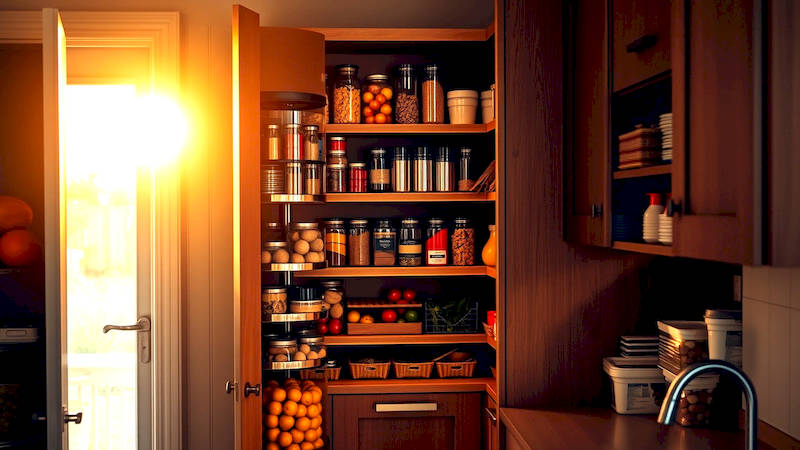
The under-sink cabinet. A dark, often dreaded space in the kitchen, notorious for accumulating clutter, leaking bottles, and generally being an organizational black hole. It’s a prime example of wasted potential in a room dedicated to efficiency. While often overlooked in favor of pantry and upper cabinet overhauls, optimizing this area can dramatically improve kitchen flow and reduce daily frustration. It’s estimated that homeowners spend an average of 9 minutes a day searching for lost items, and a significant portion of that time is spent rummaging through disorganized cabinets like the one under the sink. This isn't just about aesthetics—it’s about reclaiming valuable time and creating a more functional, enjoyable kitchen experience.
This article will guide you through a complete transformation of your under-sink cabinet, moving beyond simple decluttering to a system of thoughtfully planned storage solutions. We will explore the challenges specific to this space, delve into practical organization strategies, and provide actionable steps you can take to create a truly functional storage unit. We’ll move past the “stuff it and hope for the best” mentality and build a system that’s easy to maintain and maximizes every inch of available space.
- Assessing the Space and Identifying Challenges
- Decluttering and Deep Cleaning: The Foundation of Organization
- Leveraging Vertical Space with Stackable Organizers
- Zoning for Specific Items: Creating Dedicated Areas
- Addressing Leaks and Moisture: Protecting Your Investment
- Maintaining the System: Habit Formation and Regular Review
- Conclusion: Reclaiming Your Kitchen Space
Assessing the Space and Identifying Challenges
Before diving into organizing products, it’s crucial to honestly assess the challenges present in your under-sink cabinet. Most under-sink spaces are uniquely problematic due to the presence of plumbing – pipes, garbage disposals, and potentially water filters. These obstructions often create awkward shapes and limit the usable space. Additionally, the potential for leaks is a significant consideration, meaning any storage solutions must be water-resistant or easily removable. Failing to acknowledge these constraints from the outset is a common source of frustration when attempting to organize this area.
Think critically about what you currently store under the sink. Is it primarily cleaning supplies, dish soap, sponges, and trash bags? Or has it become a dumping ground for mismatched lids, random gadgets, and miscellaneous items? Categorizing existing contents will reveal patterns and identify items that can be relocated. Consider the frequency of use. Items you reach for daily should be easily accessible, while less frequently used items can be stored higher up or further back. According to a study by the National Kitchen & Bath Association, 68% of homeowners wish their kitchen storage was more efficient, highlighting a widespread desire for better organization.
Finally, take precise measurements of the space. Height, width, and depth are all important, but also pay attention to the location and size of the plumbing. Sketching a rough diagram of the cabinet and noting the position of pipes will be invaluable when selecting storage solutions. Don’t rely on estimates; accurate measurements ensure you purchase organizers that actually fit. This initial assessment phase is arguably the most important step, laying the groundwork for a successful organization project.
Decluttering and Deep Cleaning: The Foundation of Organization
No organizational system can thrive amidst clutter. Before introducing any new storage solutions, a thorough decluttering is essential. This means removing everything from the cabinet and sorting items into distinct piles: keep, donate, discard. Be ruthless. If you haven’t used an item in six months and you can’t foresee a need for it in the near future, it’s likely taking up valuable space. Consider the "one in, one out" rule for future purchases – when you buy a new cleaning product, for example, use up the old one before adding it to the under-sink space.
Once the cabinet is empty, it’s time for a deep clean. Wipe down all surfaces with a multi-purpose cleaner, paying particular attention to any spills or residue. This is also an excellent opportunity to check for leaks or signs of water damage. Addressing these issues now can prevent more significant problems later. Consider lining the bottom of the cabinet with a waterproof mat or liner, offering an extra layer of protection against leaks. Professionals often recommend using rubberized shelf liners, as they are both waterproof and non-slip, providing an added safety measure for bottles and containers.
Furthermore, tackle the cabinet doors themselves. Often, they accumulate grime and sticky residue. Give them a thorough cleaning as well. Addressing all these details ensures you start with a clean slate, setting the stage for a more organized and hygienic space.
Leveraging Vertical Space with Stackable Organizers
The limited height of under-sink cabinets necessitates maximizing vertical space. Stackable drawers and shelves are your best friends in this situation. Plastic or wire drawers come in various sizes and configurations, allowing you to customize the space to fit your specific needs. Look for drawers with open fronts or sliding designs, providing easy access even when stacked. Avoid solid-sided drawers that can make it difficult to see and reach items at the back.
Consider using a two-tiered or three-tiered organizer to double or triple your storage capacity. These are particularly useful for storing spray bottles, sponges, and other smaller items. For lighter items, wire shelving units can provide a robust and airy storage solution. When choosing organizers, prioritize those made from durable, water-resistant materials. You don't want your investment to be ruined by a small leak. Experts at The Container Store emphasize the importance of adjustable organizers, stating, “Flexibility is key in a challenging space like under the sink. Choosing organizers that can be adjusted or reconfigured as your needs change ensures long-term functionality.”
Additionally, don’t forget the inside of the cabinet door. Over-the-door organizers with pockets or baskets can be incredibly useful for storing sponges, dishcloths, and cleaning brushes. This frees up valuable shelf space and keeps frequently used items within easy reach.
Zoning for Specific Items: Creating Dedicated Areas
Once you've chosen your organizers, it's time to implement a zoning system. This involves designating specific areas within the cabinet for different types of items. For example, create a dedicated zone for cleaning supplies, another for trash bags and recycling liners, and perhaps a third for dishwashing essentials. This system will not only make it easier to find what you need but also prevent cross-contamination and maintain a level of order.
Group similar items together. All your sponges should be in one spot, all your surface cleaners in another. Use labels to clearly identify each zone, ensuring everyone in the household knows where things belong. Labeling is key. Invest in a label maker or use pre-printed stickers to create a visually appealing and informative system. Transparency is also helpful. Clear plastic bins allow you to see the contents at a glance, eliminating the need to rummage through containers.
Consider how frequently you use each item when assigning zones. Place frequently used items in the most accessible locations, while less frequently used items can be stored further back or higher up. This zoning approach, when combined with vertical organizers, transforms the chaotic under-sink space into a surprisingly efficient storage system.
Addressing Leaks and Moisture: Protecting Your Investment
The potential for leaks is a constant concern under the sink. To protect your investment in organizing products, implement a few preventative measures. As mentioned earlier, waterproof liners are essential. Consider placing a shallow tray or bin under any liquids that are prone to leaking. This will contain any spills and prevent them from spreading throughout the cabinet.
Regularly inspect the plumbing for leaks, even if you haven't noticed any obvious signs of water damage. A small drip can quickly escalate into a major problem. Consider investing in a water leak detector, which will alert you to any moisture buildup. According to the Insurance Information Institute, water damage is one of the most common types of homeowners insurance claims.
Choose organizing materials that are resistant to mold and mildew. Avoid cardboard boxes, which can quickly become damaged in a damp environment. Plastic, metal, and treated wood are all good choices. By proactively addressing the potential for leaks and moisture, you can ensure your organized under-sink cabinet remains functional and hygienic for years to come.
Maintaining the System: Habit Formation and Regular Review
Organization isn't a one-time event; it’s an ongoing process. To maintain your newly organized under-sink cabinet, establish a few simple habits. Put items back in their designated zones immediately after use. This prevents clutter from accumulating and ensures the system remains functional. Dedicate a few minutes each week to decluttering and tidying up the space. Addressing small issues before they become larger problems will save you time and frustration in the long run.
Schedule a monthly review of the cabinet’s contents. Remove any expired or unused items. Assess whether the current organization system is still meeting your needs. Make adjustments as necessary. "The key to long-term success is adaptability," says professional organizer Marie Kondo, author of The Life-Changing Magic of Tidying Up. “Your organization system should evolve with your lifestyle.”
By incorporating these habits and conducting regular reviews, you can ensure your under-sink cabinet remains a functional and organized space, contributing to a more efficient and enjoyable kitchen experience.
Conclusion: Reclaiming Your Kitchen Space
Transforming an under-sink cabinet from a chaotic mess to a functional storage unit demands a systematic approach. It begins with a thorough assessment of the space, identifying its unique challenges. Decluttering and deep cleaning are paramount, providing a clean slate for organization. Leveraging vertical space with stackable organizers, zoning for specific items, and proactively addressing potential leaks are all essential steps.
The key takeaway is that effective under-sink organization isn’t simply about buying containers; it’s about understanding the space, tailoring solutions to your needs, and developing sustainable habits. By implementing these strategies, you can reclaim valuable kitchen space, reduce daily frustration, and contribute to a more efficient and enjoyable home. The next step? Empty that cabinet, take those measurements, and begin your transformation today. You’ll be amazed at the difference it makes.
Deja una respuesta