
Using Baskets and Storage Ottomans to Hide Living Room Clutter
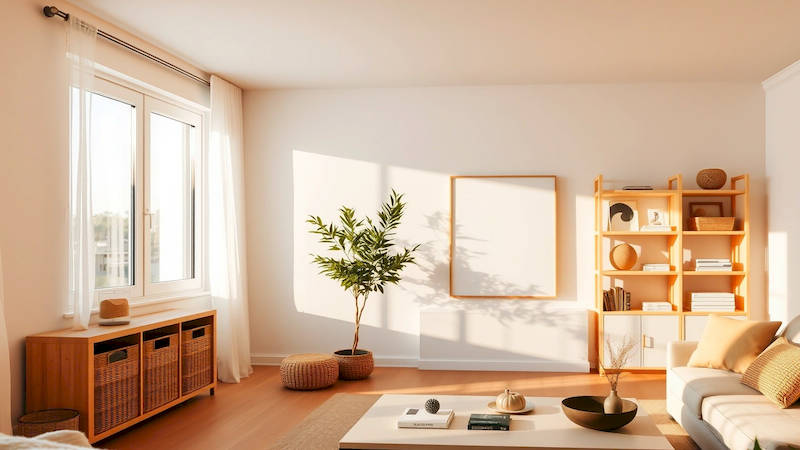
The living room, often dubbed the “heart of the home,” is frequently a battleground between cozy comfort and chaotic clutter. It's a space designed for relaxation, connection, and display – but all too often it ends up showcasing piles of remotes, half-finished projects, and a general accumulation of things. The pursuit of a serene, inviting living room doesn't necessarily require a minimalist lifestyle, though. Instead, it calls for clever organization and a willingness to work with the reality of family life. That's where the strategic use of baskets and storage ottomans comes into play. These seemingly simple pieces can be transformative, offering a stylish and practical solution for concealing everyday clutter and creating a sense of calm.
We've all been there – a quick tidy before guests arrive involves shoving items into closets or under furniture. But this isn't a long-term solution; it simply relocates the mess, and often leads to bigger organizational problems down the line. Baskets and ottomans, when used thoughtfully, move beyond quick fixes and embrace a more considered approach to living room organization. They allow you to maintain accessibility to frequently used items while visually minimizing the impact of clutter, contributing to a more peaceful and aesthetically pleasing environment.
This article will delve deep into how to effectively utilize baskets and storage ottomans to manage and hide living room clutter, covering everything from selecting the right styles to employing strategic placement techniques and maximizing their organizational potential. We will explore considerations for different living room layouts, décor styles, and personal needs, empowering you to create a space that truly feels like a sanctuary.
- Understanding the Psychology of Hidden Clutter
- Selecting the Right Baskets and Storage Ottomans
- Strategic Placement for Maximum Impact
- Categorizing and Containing: Optimizing What Goes Inside
- Beyond the Basics: Creative Uses and Hidden Opportunities
- Maintaining the Organization: Sustainable Habits
- Conclusion: A Harmonious Living Space
Understanding the Psychology of Hidden Clutter
The power of hidden organization lies in its psychological effect. A visually clear space promotes a clear mind. Studies in environmental psychology, like those conducted by researchers at Princeton University Neuroscience Institute, have shown a direct correlation between clutter and increased cortisol levels (the stress hormone). Simply seeing mess can trigger feelings of anxiety and overwhelm. Conversely, a tidy environment fosters a sense of calm and control, enabling better focus and relaxation. Baskets and ottomans don’t eliminate clutter, but they remove it from immediate sight, mitigating its negative psychological impact.
This isn’t simply about aesthetics. By concealing clutter, you're also creating a more welcoming and inviting space, both for yourself and your guests. A room filled with visible disorganization sends a subconscious message of chaos and lack of control. Consider how you feel when you walk into a hotel room: meticulously arranged furniture and concealed storage contribute to an immediate sense of tranquility. Replicating this feeling in your own home, even in a small way, can have a significant positive impact on your overall well-being. A well-organized living room isn't just a pretty room; it's a space that supports emotional and mental health.
Therefore, choosing to hide clutter intelligently is a deliberate act of self-care. It’s about creating an environment that supports your lifestyle, rather than being dictated by it. It's also important to acknowledge that “hidden” doesn’t mean “forgotten.” Regularly assessing and decluttering the contents of your baskets and ottomans is crucial to prevent them from becoming repositories for unwanted items.
Selecting the Right Baskets and Storage Ottomans
Choosing the correct baskets and ottomans involves more than just aesthetic preference. Functionality and scale should be primary considerations. Begin by assessing your existing living room décor and identifying your specific storage needs. Are you dealing with throw blankets, kids’ toys, books, remote controls, or a combination of items? Different needs call for different basket and ottoman styles. Woven baskets, for example, are excellent for soft items like blankets and pillows, offering a natural, textured look. Baskets with lids provide a more concealed storage option, ideal for items you don’t want on display.
Regarding storage ottomans, the possibilities are vast. Upholstered ottomans offer a cohesive look with your existing furniture and can double as seating or footrests. Wooden ottomans provide a more rustic or contemporary feel. When choosing an ottoman, pay attention to its weight capacity and the mechanism for opening the lid. A flimsy lid or an ottoman that feels unstable isn’t a worthwhile investment. Consider the size carefully; a too-small ottoman won't provide adequate storage, while a too-large one can overwhelm the space. "A common mistake people make is choosing style over function," explains interior organizer Marie Kondo in her book The Life-Changing Magic of Tidying Up. "The item needs to serve a purpose and spark joy, but primarily, it needs to solve a storage problem.”
Material is also crucial. Wicker and rattan are durable and add a natural element, but can snag delicate items. Fabric-lined baskets protect softer belongings. Metal baskets offer a modern industrial aesthetic but may not be suitable for all décor styles. Look for durable materials that will withstand regular use and contribute to the overall longevity of your organizational solutions.
Strategic Placement for Maximum Impact
The placement of baskets and storage ottomans is paramount to their effectiveness. Think strategically about traffic flow and visual balance. Avoid obstructing walkways or creating unnecessary obstacles. Corners are often underutilized spaces that can be beautifully transformed with a large, decorative basket. Placing baskets near sofas and armchairs makes it easy to store blankets, pillows, and frequently used items like books or magazines.
Ottomans excel at multi-tasking. Position a storage ottoman in the center of the room to serve as both a coffee table and a hidden storage unit. Alternatively, place smaller ottomans along the perimeter of the room to provide extra seating and discreet storage for items like toys or games. Remember to consider the height of the basket or ottoman in relation to other furniture pieces. A mismatched height can disrupt the visual harmony of the room. It is useful to create ‘zones’ within your living room. Designate a basket specifically for kids’ toys near their play area, a woven basket near the sofa for blankets and reading materials, and an ottoman near the entertainment center for remote controls and gaming accessories.
Don’t be afraid to experiment with different arrangements to find what works best for your space. Sometimes, simply shifting the placement of a basket or ottoman can dramatically improve the overall flow and organization of the room.
Categorizing and Containing: Optimizing What Goes Inside
The real magic happens when you optimize what goes inside your chosen storage solutions. Don't just haphazardly toss items into baskets and ottomans; categorize and contain them effectively. Utilize nesting bins or fabric boxes within the larger container to create designated compartments for different items. For example, in a toy basket, use smaller bins to separate building blocks, dolls, and art supplies. This prevents items from becoming a jumbled mess and makes it easier to find what you need.
Labeling is also incredibly helpful. Simple labels on baskets can quickly identify their contents, eliminating the need to rummage through everything. You can use adhesive labels, hang tags, or even write directly on the baskets with a permanent marker (ensure it’s a surface that accepts it). Employ clear plastic bins within the ottomans for items that need extra protection from dust or moisture. This is particularly useful for storing seasonal items or delicate home décor. Regularly assess the contents of your baskets and ottomans and declutter anything you no longer need or use. A good rule of thumb is to follow the “one in, one out” principle – for every new item you add, remove an old one.
Furthermore, consider the weight of the items you're storing. Heavy items should be placed at the bottom of baskets and ottomans to prevent them from tipping over.
Beyond the Basics: Creative Uses and Hidden Opportunities
The versatility of baskets and storage ottomans extends far beyond simply hiding clutter. Embrace creative uses to maximize their potential. Consider using a tall, narrow basket as a makeshift plant stand, adding a touch of greenery to your living room. A decorative basket can also serve as a stylish laundry hamper, concealing dirty clothes until laundry day. Storage ottomans can be used as room dividers or as extra seating during parties.
Think vertically. Stacking baskets of varying sizes can create a visually appealing and functional storage tower. Utilize the space under your sofa or coffee table to store shallow baskets that can easily slide out when needed. Don't overlook the potential of wall-mounted baskets; they are excellent for storing magazines, mail, or small decorative items. Exploring unconventional placement options can unlock hidden storage opportunities. Look for areas that are often overlooked or underutilized, such as the space behind the sofa or under a window seat.
Keep an eye out for multi-functional pieces. An ottoman with removable trays can serve as both a coffee table and a hidden storage unit, offering added convenience and versatility.
Maintaining the Organization: Sustainable Habits
Implementing a system is only half the battle; maintaining it requires establishing sustainable habits. Schedule regular decluttering sessions – even just 15-20 minutes a week can make a significant difference. Encourage family members to participate in the organization process and to put things back in their designated places. “Organization isn’t about perfection; it’s about making things easier to find and use," emphasizes professional organizer Peter Walsh in his book Does This Room Make Me Look Fat?.
Create a simple "reset" routine for the living room each evening. This could involve straightening pillows, folding blankets, and returning any stray items to their appropriate baskets or ottomans. Avoid the temptation to simply add more items to the baskets without first decluttering. Remember, the goal is to create a calm and organized space, not to simply hide the mess. Regularly reassess your storage needs and adjust your system accordingly. As your lifestyle changes, your organizational solutions may need to evolve as well.
Conclusion: A Harmonious Living Space
Effectively using baskets and storage ottomans to hide living room clutter is about more than just tidying up; it's about creating a harmonious living space that promotes relaxation, well-being, and a sense of calm. By strategically selecting the right pieces, utilizing clever placement techniques, and establishing sustainable organizational habits, you can transform your living room from a chaotic mess into a serene sanctuary. Remember the key takeaways: prioritize function over purely aesthetic appeal, categorize and contain items effectively, and embrace creative uses to maximize storage potential.
Don’t view organization as a chore, but as an investment in your quality of life. Start small – choose one area of your living room to focus on, and gradually expand your efforts. Embrace the power of hidden organization and discover the transformative impact it can have on your home and your peace of mind. The art of disguise, in this case, is the art of creating a living space that truly supports and enhances your lifestyle.
Deja una respuesta