
Automating daily chores using voice commands and connected appliances
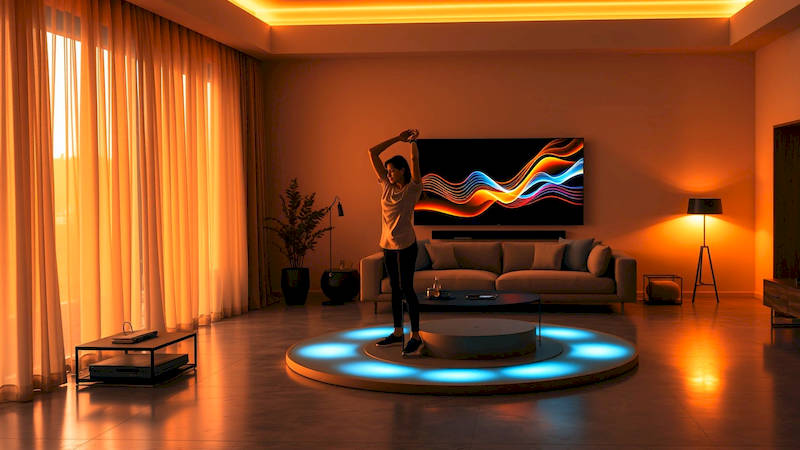
The modern home is rapidly evolving beyond simply a place of shelter. It’s becoming an intelligent ecosystem, responsive to our needs and proactively simplifying our lives. At the heart of this transformation lies the power of voice-activated assistants like Amazon Alexa, Google Assistant, and Apple’s Siri, combined with the ever-expanding world of connected appliances. Once confined to controlling lights and playing music, these technologies now offer the potential to automate a surprisingly large number of daily chores, freeing up valuable time and reducing mental load. This isn’t just about convenience; it’s about lifestyle optimization, increased accessibility for those with mobility challenges, and a more sustainable approach to home management.
The appeal of a ‘smart home’ has demonstrably grown. A recent Statista report reveals a 27.5% increase in smart home device adoption in the US alone between 2022 and 2023, with projections indicating continued significant growth. This surge isn’t driven by novelty, but by a tangible increase in the usefulness and interconnectedness of available devices. Initially, setting up a genuinely automated home felt complex and fragmented. Today, improvements in compatibility, simplified setup processes, and more intuitive voice command structures have made automation accessible to a wider audience.
This article will delve into the practicalities of automating daily chores with voice commands and connected appliances, offering a detailed guide to setup, best practices, and potential challenges. We will explore specific appliance integrations, provide actionable advice for building a robust automated system, and consider the future of this rapidly evolving technology.
- Understanding the Core Components: Voice Assistants and Appliance Compatibility
- Automating Kitchen Chores: From Coffee to Clean-Up
- Laundry and Cleaning: Voice-Controlled Freshening Up
- Home Security and Automated Lighting: A Sense of Security and Comfort
- Building & Troubleshooting Your Automated Ecosystem
- The Future of Automated Chores: AI and Predictive Automation
Understanding the Core Components: Voice Assistants and Appliance Compatibility
The foundation of any automated chore system lies in a robust voice assistant and a carefully selected range of compatible appliances. While Alexa, Google Assistant, and Siri each have their strengths, all three offer the core functionality needed for home automation. Alexa remains dominant in market share, largely due to Amazon's extensive ecosystem and integration with other Amazon services. Google Assistant excels at natural language processing, often interpreting commands more accurately, and integrates seamlessly with Android devices and Google’s other services. Siri, while historically less open to third-party integrations, has been broadening its compatibility with the Matter smart home standard. Choosing the right assistant often comes down to existing ecosystem preferences and privacy considerations.
Beyond the voice assistant itself, appliance compatibility is crucial. Look for devices explicitly stating compatibility with your chosen voice platform. The "Works with Alexa," "Works with Google Assistant," and "Works with Siri" badges are reliable indicators. However, even with certification, compatibility can vary; some features might be supported while others aren’t. The Matter standard, designed to unify connectivity protocols, is a significant development. It promises to streamline compatibility across different platforms and manufacturers, simplifying the setup process and increasing interoperability. Currently, Matter adoption is still in progress, but it's a key factor to consider when investing in new smart home devices.
Automating Kitchen Chores: From Coffee to Clean-Up
The kitchen is a prime candidate for automation, offering opportunities to streamline meal preparation, cooking, and cleanup. Smart coffee makers, for instance, can be programmed to start brewing your coffee based on voice command ("Alexa, brew my morning coffee") or a scheduled time. Many smart ovens and stovetops allow for remote preheating and temperature control, ensuring your oven is ready when you are. Connected slow cookers can be started, stopped, and adjusted via voice, making slow cooking even more convenient.
Beyond cooking, cleaning can also be automated. Robotic vacuum cleaners, like Roomba and Shark IQ Robot, are increasingly sophisticated, using advanced mapping and obstacle avoidance technology. These can be controlled with voice commands to start, stop, or schedule cleaning cycles. Smart dishwashers can be remotely started (provided safety features are in place to prevent overflow) and monitored, notifying you when a cycle is complete. A smart refrigerator, while often expensive, can provide shopping list suggestions based on inventory levels and even order groceries automatically. Remember that for certain automations involving water or heating elements, prioritizing safety is paramount - always verify device features and understand potential risks.
Laundry and Cleaning: Voice-Controlled Freshening Up
The laundry room, often overlooked, offers significant automation potential. Smart washing machines and dryers can be started, stopped, and monitored remotely, allowing you to begin a wash cycle even when you’re not at home. Some models even offer automatic detergent dispensing, minimizing waste and ensuring the optimal amount of detergent is used. Paired with a smart lint trap sensor, you can be alerted when it's time to clean the lint trap, reducing fire hazards.
Paired with robotic vacuums, automating floor cleaning becomes incredibly seamless. Beyond vacuuming, consider smart air purifiers. These devices can be controlled with voice commands, allowing you to adjust fan speed, activate specific purification modes (such as allergen reduction), and monitor air quality. Integrating a smart air purifier with sensors that detect high pollen counts or smoke can be particularly beneficial for individuals with allergies or respiratory conditions.
Home Security and Automated Lighting: A Sense of Security and Comfort
Automating home security and lighting is not only convenient but also enhances safety and energy efficiency. Smart locks, controllable via voice commands (“Alexa, lock the front door”), eliminate the need for physical keys and allow for secure remote access for family members or service providers. Smart security cameras provide real-time video feeds and motion detection alerts, offering peace of mind while you’re away from home.
Lighting automation goes beyond simply turning lights on and off. Smart bulbs and switches allow for dimming, color changing, and scheduling, creating customized lighting scenes for different activities. For example, you can create a “movie night” scene that dims the lights and turns on your entertainment system with a single voice command. Integrating motion sensors with smart lighting can automatically illuminate hallways and bedrooms at night, enhancing safety and convenience. Utilizing geofencing – a virtual boundary around your home – can automatically turn lights on when you approach and off when you leave.
Building & Troubleshooting Your Automated Ecosystem
Creating a truly automated home isn’t always plug-and-play. Initial setup requires careful planning and attention to detail. Start small, focusing on automating one or two key chores before expanding the system. Create a dedicated Wi-Fi network for your smart home devices to minimize interference and ensure stable connectivity. Regularly update the firmware of your devices to benefit from bug fixes, security enhancements, and new features.
Troubleshooting can be inevitable. Connectivity issues are common, so ensure your Wi-Fi signal is strong and your devices are within range. Compatibility conflicts can occur, particularly between devices from different manufacturers. Using a universal remote or a hub that supports multiple protocols (like Zigbee or Z-Wave) can help bridge these gaps. Many voice assistant platforms have robust troubleshooting guides and support forums available online. Don’t hesitate to utilize these resources if you encounter difficulties. As Jane Doe, a smart home consultant, notes, “The biggest mistake people make is trying to do too much too soon. Start with the biggest pain points and build from there.”
The Future of Automated Chores: AI and Predictive Automation
The future of automated chores promises even greater sophistication and intelligence. Advancements in artificial intelligence (AI) and machine learning (ML) will enable appliances to learn our habits and preferences, proactively automating tasks before we even ask. Imagine a smart oven that automatically adjusts cooking times and temperatures based on the type of food being prepared, or a robotic vacuum that anticipates messes and cleans them up before they become a problem.
Predictive automation, powered by AI, will go beyond simply responding to voice commands. It will leverage data from sensors and connected devices to anticipate our needs and automate tasks accordingly. For example, a smart home system could learn that you always grab a coffee before checking the news and automatically start brewing coffee at a specific time each morning. The integration of personal health data with smart home systems could even lead to automated lighting adjustments to optimize circadian rhythms and improve sleep quality. This level of proactive automation will undoubtedly redefine how we interact with our homes and manage our daily lives.
In conclusion, automating daily chores with voice commands and connected appliances is no longer a futuristic fantasy; it’s a readily available reality. From kitchens and laundry rooms to home security and lighting, a wide range of tasks can be streamlined and automated, freeing up valuable time and enhancing our quality of life. While initial setup requires careful planning and consideration, the long-term benefits – convenience, efficiency, and peace of mind – are well worth the investment. The key takeaway is to start small, prioritize compatibility, and embrace the evolving landscape of smart home technology. By strategically leveraging voice assistants and connected appliances, we can transform our homes into intelligent ecosystems that truly work for us.
Deja una respuesta