
Using Smart Lighting to Enhance Home Office Productivity
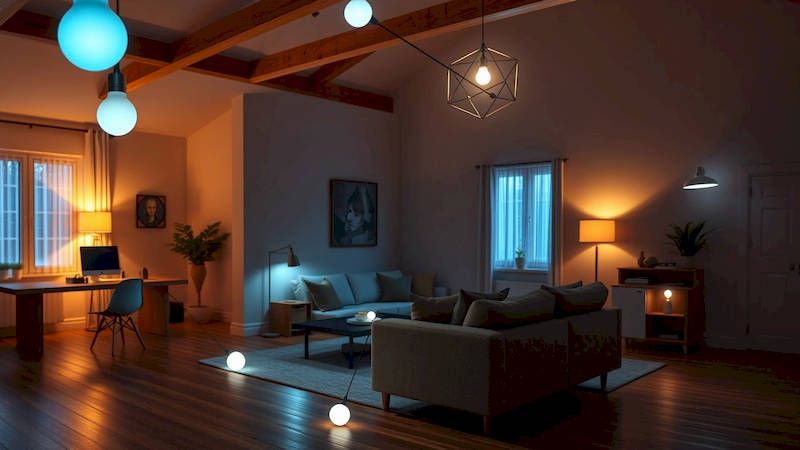
The shift towards remote work has dramatically reshaped the modern workspace, with millions now establishing home offices. While comfortable chairs and powerful computers are essential, a frequently overlooked yet profoundly impactful element is lighting. For generations, lighting has been understood to influence mood and energy levels, but the advent of smart lighting systems unlocks an entirely new level of control and customization. This allows for a dynamic lighting environment specifically tailored to optimize focus, reduce eye strain, and ultimately, boost productivity throughout the workday. Beyond simple brightness adjustments, smart lighting can mimic natural daylight patterns, synchronize with your schedule, and even respond to your activity, creating an ergonomic and effective workspace.
The science backing the importance of lighting in productivity is compelling. Our bodies operate on a circadian rhythm, a natural internal clock regulated by light exposure. Disruption of this rhythm can lead to decreased alertness, poor mood, and reduced cognitive function. Traditional office lighting often fails to address these needs, resulting in suboptimal work performance. Smart lighting offers a solution by allowing for programmed adjustments that align with this natural rhythm, promoting sustained focus and overall well-being. Increasingly, businesses and individuals are recognizing the value of investing in these technologies, driven by data demonstrating a significant return on investment through improved employee output and reduced health-related absenteeism.
- Understanding the Impact of Light on Cognitive Function
- Choosing the Right Smart Lighting Technology
- Designing a Productivity-Focused Lighting Scheme
- Automating Your Lighting for Maximum Efficiency
- Beyond Productivity: Wellbeing and Circadian Health
- Conclusion: A Brighter Future for Home Office Work
Understanding the Impact of Light on Cognitive Function
Light doesn't just illuminate a space; it directly influences our neurochemical processes. Exposure to blue-enriched light, similar to daylight, suppresses melatonin production – a hormone that promotes sleepiness – and increases cortisol, a hormone associated with alertness and focus. Conversely, warmer, amber-toned lights stimulate melatonin production, signaling to the body that it's time to relax. A workspace bathed in consistently cool, bright light can lead to heightened concentration, particularly during tasks requiring sustained attention. However, prolonged exposure without variation can also cause eye strain and headaches. The key lies in dynamic control – the ability to shift light temperature and intensity throughout the day to match your specific needs.
Beyond circadian rhythm regulation, the intensity of light also plays a vital role. Studies have shown that well-lit workspaces correlate with increased accuracy and speed in completing tasks. Dimly lit environments, on the other hand, can lead to drowsiness and errors. However, it’s not solely about maximizing brightness. Glare and shadows are significant distractions that can negatively impact concentration. Smart lighting systems, paired with proper fixture placement and diffusion, can mitigate these issues, providing even, comfortable illumination. The ability to control individual light sources within a space allows you to customize coverage precisely, eliminating hotspots or dark areas that can cause discomfort.
Furthermore, research suggests that color temperature can influence specific cognitive functions. Cooler light temperatures (around 5000-6500K) are often associated with increased alertness and improved performance on tasks requiring logic and analysis, while warmer temperatures (2700-3000K) can foster creativity and relaxation. This understanding is at the core of many smart lighting systems, which offer pre-set scenes designed for specific activities, such as “Focus,” “Create,” or “Relax.”
Choosing the Right Smart Lighting Technology
The smart lighting market is diverse, encompassing a wide range of technologies and price points. Three primary protocols dominate the landscape: Wi-Fi, Zigbee, and Bluetooth. Wi-Fi-enabled bulbs are the simplest to set up, connecting directly to your existing home network. However, they can consume more power and potentially slow down your network if you have numerous devices. Zigbee requires a hub but offers a more stable and reliable connection and is less energy-intensive. Bluetooth bulbs are the most affordable, but typically have limited range and functionality.
When selecting a system, consider the scale of your home office and your existing smart home ecosystem. If you already have a smart home hub (like those from SmartThings, Hubitat, or Amazon Echo), choosing Zigbee-compatible bulbs will seamlessly integrate them into your existing setup. If you're starting from scratch and only need to control a few lights, Wi-Fi might be a suitable option. Beyond the protocol, consider the type of bulbs you need: standard A19 bulbs for general illumination, BR30s for recessed lighting, or LED strips for task lighting.
Don't overlook the importance of dimming capabilities and color temperature adjustment. These features are crucial for creating a dynamic lighting environment that adapts to your needs. Look for bulbs that offer a wide dimming range and the ability to shift between warm and cool white light. Some advanced systems even allow you to customize the color temperature in precise increments, providing ultimate control. A good starting point might include a smart desk lamp that offers focused, adjustable illumination combined with smart ambient lights to set the overall mood of the room.
Designing a Productivity-Focused Lighting Scheme
A well-designed lighting scheme isn’t simply about installing smart bulbs; it’s about layering light to create a comfortable and functional workspace. Start with ambient lighting – the overall illumination of the room. This should be soft and diffused, providing a base level of brightness without causing glare. Smart ceiling fixtures or dimmable A19 bulbs are ideal for this purpose. Next, add task lighting – focused illumination for specific work areas, such as your desk. A smart desk lamp with adjustable brightness and color temperature is essential. Finally, consider accent lighting – strategically placed lights to highlight specific areas or objects, adding visual interest without being distracting.
Aim for a color temperature of around 5000-6500K for focused work during daylight hours. As the day progresses, gradually shift to warmer tones (2700-3000K) to signal to your body that it's time to wind down. Automate this process using a smart lighting schedule. For example, you could program the lights to brighten to 6000K at 8:00 AM, gradually dimming to 3000K by 6:00 PM. Experiment with different scenes. A “Focus” scene might prioritize bright, cool light, while a “Collaboration” scene could use warmer, more inviting tones for video calls.
Consider the placement of your lights to minimize glare and shadows. Position desk lamps to the side of your monitor, angled slightly downwards. Avoid placing lights directly behind your monitor, as this can cause eye strain. Utilize smart light diffusers or shades to soften harsh light and enhance comfort. Expert ergonomists often recommend a light intensity of approximately 500 lux on your work surface for optimal productivity. Smart bulbs with lux sensors can automatically adjust brightness to maintain this level throughout the day.
Automating Your Lighting for Maximum Efficiency
The true power of smart lighting lies in its automation capabilities. Many systems allow you to create schedules, set scenes, and integrate with other smart home devices. For example, you could program your lights to turn on automatically when you enter your home office in the morning, and turn off when you leave in the evening.
Geofencing is another powerful automation tool. This uses your smartphone’s location to trigger actions, such as turning on the lights when you arrive home or dimming them when you're away. Integrating your smart lighting with your calendar can further enhance automation. For instance, you could program the lights to adjust automatically based on your meeting schedule, creating a brighter, more focused environment during important calls.
Voice control is also a significant benefit. Using voice assistants like Amazon Alexa or Google Assistant, you can easily control your lights without lifting a finger. Simply say, “Alexa, turn on the office lights,” or “Hey Google, dim the lights to 50%.” Many systems also offer IFTTT (If This Then That) integration, allowing you to create custom automations based on a wide range of triggers. For example, you could set up a rule to automatically dim the lights and play relaxing music when you start a meditation session. Remember to routinely review and refine your automations to ensure they are still aligned with your needs and preferences.
Beyond Productivity: Wellbeing and Circadian Health
While boosting productivity is a primary benefit, smart lighting contributes significantly to overall wellbeing. By mimicking natural daylight patterns, it helps regulate your circadian rhythm, improving sleep quality and boosting mood. Consistent exposure to blue-enriched light during the day can help combat Seasonal Affective Disorder (SAD), a condition characterized by feelings of depression during the winter months.
Smart lights can also be used to create a more relaxing and inviting home office environment. Warm, amber-toned lights can reduce stress and promote relaxation, making your workspace a more enjoyable place to be. Experiment with different color temperatures and intensities to find what works best for you. Consider using smart light strips to create subtle backlighting behind your monitor or shelves, adding a touch of ambiance.
Furthermore, optimized lighting can reduce eye strain and headaches, common complaints among remote workers. By providing even, comfortable illumination and minimizing glare, smart lighting helps protect your vision and improve concentration. Regularly taking breaks and adjusting the lighting throughout the day is still important, but a well-designed smart lighting system can significantly mitigate these issues.
Conclusion: A Brighter Future for Home Office Work
Smart lighting represents a powerful tool for enhancing productivity, wellbeing, and overall quality of life for remote workers. By understanding the science of light and leveraging the advanced features of modern smart lighting systems, you can create a dynamic and ergonomic workspace tailored to your specific needs. The key takeaways are clear: light profoundly impacts cognitive function; choosing the right technology is crucial; careful design optimizes comfort and efficiency; and automation unlocks the true potential.
Don't hesitate to invest in smart lighting as an investment in yourself and your work. Start small by replacing a few key bulbs and gradually expand your system as needed. Experiment with different schedules and scenes to find what works best for you. And, most importantly, pay attention to how your lighting affects your mood, energy levels, and overall productivity. A well-lit workspace isn't just about seeing better—it’s about feeling and performing better. Begin by assessing your current lighting situation, identifying areas for improvement, and researching compatible smart lighting options. You'll quickly discover that a brighter, smarter workspace is within reach.
Deja una respuesta