
How to Design an Outdoor Living Room with Modular Furniture
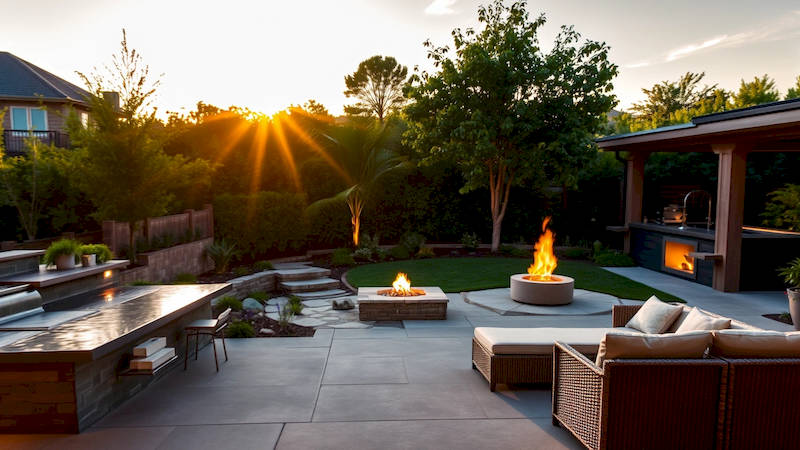
The allure of bringing indoor comfort outdoors has never been stronger. As homeowners increasingly value their outdoor spaces, the concept of the “outdoor living room” has exploded in popularity. This isn’t simply about placing a few chairs on the patio anymore; it’s about creating a fully functional, stylish, and inviting extension of the home where people can relax, entertain, and enjoy the fresh air. And central to achieving this seamless transition is the intelligent use of modular furniture. Modular design offers unparalleled flexibility, allowing you to tailor your outdoor space to both your individual needs and the unique characteristics of your yard.
The shift towards outdoor living spaces reflects a broader trend towards prioritizing well-being and work-life balance. A 2023 study by the American Society of Landscape Architects showed a 70% increase in homeowner requests for outdoor living features. This demand isn’t just about aesthetics; it’s about creating spaces that promote relaxation, connection, and a respite from the pressures of daily life. Modular furniture, with its adaptability and ease of customization, is perfectly positioned to meet this demand, offering a way to design a truly personalized outdoor experience.
This article will delve into the intricacies of designing an outdoor living room using modular furniture, covering everything from planning and layout to material selection and creating a cohesive aesthetic. We’ll explore the benefits of modularity, offer practical tips for maximizing your space, and illustrate the possibilities with real-world examples, helping you transform your backyard into the outdoor oasis you’ve always envisioned.
- Planning Your Outdoor Living Space: Assessing Needs & Layout
- Choosing the Right Modular Furniture: Materials and Configurations
- Integrating Lighting and Ambiance for Evening Enjoyment
- Accessorizing Your Outdoor Living Room: Textiles, Décor, and Plants
- Maintaining Your Modular Outdoor Furniture: Protecting Your Investment
- Conclusion: Embracing Outdoor Living with Flexibility and Style
Planning Your Outdoor Living Space: Assessing Needs & Layout
Before even browsing for furniture, a careful planning phase is crucial. This involves more than just measuring your patio; it’s about realistically assessing how you intend to use the space. Consider your lifestyle, how many people you typically entertain, and what activities you envision taking place in your outdoor living room. Do you prioritize intimate conversations, large gatherings, or quiet relaxation? Will the space be used frequently for dining, or is it primarily for lounging? Answering these questions will heavily influence the size, shape, and configuration of your modular furniture arrangement.
Next, critically evaluate the physical characteristics of your space. Pay attention to sunlight exposure (and how it changes throughout the day), wind patterns, existing landscaping features, and potential views. Designing with these elements, rather than against them, will significantly enhance the overall experience. For instance, strategically placed furniture can capitalize on sunset views or provide shade during peak sun hours. Mapping out these considerations – traffic flow, sun paths, and view corridors – on a simple sketch is an invaluable first step. Remember to consider electrical outlets for lighting or outdoor entertainment systems and plan accordingly.
Finally, don’t underestimate the power of zoning. Even in a smaller space, you can delineate different areas for specific purposes. A seating area can be visually separated from a dining space with an outdoor rug or strategically placed potted plants. This creates a more organized and functional environment, making the space feel larger and more inviting. Consider creating a “conversation zone” focused around a fire pit, a “dining zone” for outdoor meals, and a “relaxation zone” with comfortable lounge seating.
Choosing the Right Modular Furniture: Materials and Configurations
The market for outdoor modular furniture is vast, offering a plethora of styles, materials, and configurations. Selecting the right pieces requires careful consideration of durability, comfort, and aesthetic appeal. When it comes to materials, several options stand out, each with its own pros and cons. Aluminum frames are lightweight, rust-resistant, and generally more affordable, but may not offer the same level of sturdiness as heavier alternatives. Wicker, particularly synthetic varieties, provides a classic aesthetic and is weather-resistant, while teak is a naturally durable hardwood that ages beautifully but requires more maintenance.
Beyond the frame, pay close attention to the cushion material. Look for fabrics that are specifically designed for outdoor use, such as solution-dyed acrylic (like Sunbrella) which resists fading, mildew, and water damage. Quick-drying foam is also essential to prevent moisture buildup and extend the lifespan of your cushions. Don’t compromise on comfort! Test out different seating arrangements, if possible, to ensure they provide adequate support.
Modular configurations offer incredible flexibility. Sectionals that can be arranged in various shapes (L-shaped, U-shaped, or even individual chairs) are a popular choice. Corner pieces, ottomans, and add-on tables allow you to customize the arrangement to fit your specific space and needs. Consider the depth and height of the seating – lower seating creates a more relaxed vibe, while higher seating can be more comfortable for dining or engaging in conversation.
Integrating Lighting and Ambiance for Evening Enjoyment
An outdoor living room isn't just for daytime use. Thoughtful lighting is essential for creating a cozy and inviting atmosphere when the sun goes down. A multi-layered lighting approach is most effective, combining ambient, task, and accent lighting. Ambient lighting, such as string lights or lanterns, provides a soft, overall glow. Task lighting, like pathway lights or spotlights focused on dining areas, enhances functionality, while accent lighting, like uplighting on trees or shrubs, adds visual interest and drama.
Solar-powered lighting options are an eco-friendly and cost-effective choice, requiring no wiring or electrical outlets. However, consider their performance in shaded areas or during cloudy weather. Battery-operated and rechargeable options are also available, offering greater flexibility and reliability. For a truly luxurious ambiance, incorporate a fire feature – a fire pit, outdoor fireplace, or even a portable fire bowl. The warmth and flickering light of a fire create a focal point and invite relaxation.
Don’t overlook the power of sound. A weatherproof outdoor speaker system can transform your outdoor living room into an entertainment hub. Consider integrating the speakers into landscaping features or concealing them within planters for a seamless look. Ultimately, the goal is to create a sensory experience that extends the enjoyment of your outdoor space well into the evening hours.
Accessorizing Your Outdoor Living Room: Textiles, Décor, and Plants
Accessories are the finishing touches that elevate an outdoor living room from functional to fabulous. Textiles, such as outdoor rugs, throw pillows, and blankets, add color, texture, and comfort. Choose materials that are specifically designed for outdoor use and can withstand the elements. Rugs define seating areas and add a layer of warmth underfoot. Throw pillows and blankets provide extra comfort and a pop of style.
Décor items, such as outdoor artwork, sculptures, and candles, personalize the space and reflect your individual taste. Consider incorporating natural elements, such as driftwood or stone, to create a cohesive look. And of course, plants are essential! Potted plants add life, color, and texture, while also creating a sense of tranquility and connection to nature. Vary the size, shape, and foliage of your plants to create visual interest.
Remember to choose accessories that are appropriately scaled for the space. Overly large items can overwhelm a small patio, while too many small items can create a cluttered look. Less is often more, especially when it comes to outdoor décor. Strive for a balance between style and functionality, creating a space that is both aesthetically pleasing and comfortable to use.
Maintaining Your Modular Outdoor Furniture: Protecting Your Investment
Investing in high-quality outdoor modular furniture is a long-term commitment. Proper maintenance is crucial for protecting your investment and ensuring years of enjoyment. Regular cleaning is essential. Dust and dirt can accumulate on furniture surfaces, leading to fading and damage. Use a mild soap and water solution to clean your furniture regularly, and rinse thoroughly.
For teak furniture, annual oiling helps to maintain its natural beauty and prevent cracking. Aluminum frames can be protected with a sealant to prevent corrosion. Cushion fabrics should be spot-cleaned as needed and thoroughly dried before storing. If you live in an area with harsh winters, consider covering your furniture during the off-season or storing it indoors to protect it from the elements.
Finally, inspect your furniture regularly for any signs of wear and tear. Tighten any loose screws or bolts, and replace any damaged cushions or components. Addressing minor issues promptly can prevent them from escalating into more significant problems. With proper care and maintenance, your modular outdoor furniture will remain a stylish and inviting focal point for years to come.
Conclusion: Embracing Outdoor Living with Flexibility and Style
Designing an outdoor living room with modular furniture is more than just arranging pieces; it’s about crafting an extension of your home that reflects your lifestyle and enhances your connection with the outdoors. The key lies in careful planning, smart material selection, and a commitment to creating a comfortable and inviting atmosphere. By thoughtfully assessing your needs, leveraging the adaptability of modular designs, and incorporating elements of lighting, décor, and landscaping, you can transform your backyard into a truly remarkable space.
Remember the crucial takeaway: modularity empowers you to adapt your space to evolving needs. Whether you’re hosting a large gathering or enjoying a quiet evening alone, the flexibility of modular furniture allows you to create the perfect setting. Don't be afraid to experiment with different configurations and accessories to find what works best for you, and prioritize durable, weather-resistant materials to ensure lasting enjoyment. Actionable next steps include sketching your space, browsing online retailers for inspiration, and carefully considering your budget before making any purchases. With a little planning and creativity, you can unlock the full potential of your outdoor space and create an oasis that you’ll cherish for years to come.
Deja una respuesta