
How to Use Mirrors to Enhance Minimalist Home Lighting
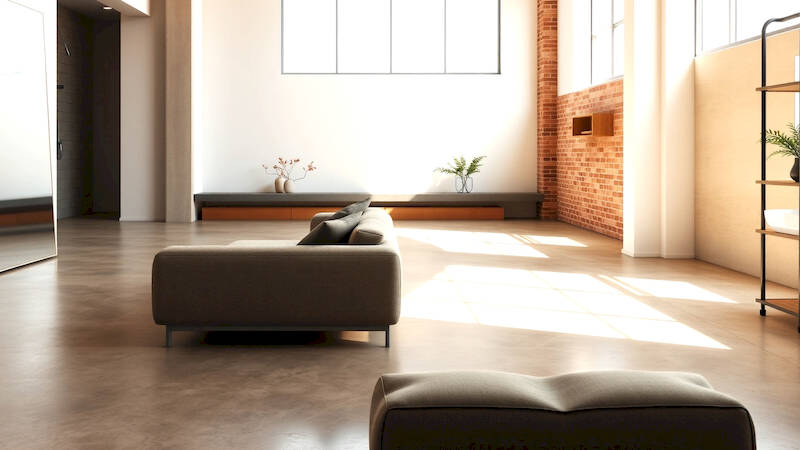
Minimalism, at its core, is about intentionality – carefully curating your surroundings to reflect what truly adds value to your life. This principle extends to lighting, a crucial element often overlooked in the pursuit of a clean aesthetic. While natural light is paramount in minimalist design, relying solely on it isn’t always practical. That's where mirrors become an invaluable tool, not just as decorative elements, but as powerful enhancers of light. Mirrors can dramatically alter the perception of space, brightness, and overall ambiance. They work by reflecting existing light sources, effectively doubling their impact and creating a feeling of openness – a key characteristic of minimalist interiors. This article will delve into the art and science of utilizing mirrors to maximize light within a minimalist home, offering practical advice and detailed examples to help you transform your space.
This isn't simply about hanging a mirror opposite a window. The optimal placement, size, and type of mirror can profoundly impact how light behaves in a room. Careful consideration needs to be given to the room’s architecture, existing light sources, and desired effect. Poorly placed mirrors can lead to glare, distort the space, or even create an unsettling visual experience – outcomes that directly contradict the serenity and balance minimalist design aims to achieve. Therefore, understanding the principles of reflection and strategic placement is essential for leveraging the potential of mirrors in your minimalist home.
- The Science of Reflection and Light Amplification
- Strategic Placement for Maximum Impact
- Size and Shape: Balancing Proportion and Function
- Mirror Types and Their Effect on Light Quality
- Avoiding Common Mistakes and Achieving a Harmonious Look
- Beyond the Wall: Creative Mirror Applications
- Conclusion: Reflecting Intentionality in Minimalist Lighting
The Science of Reflection and Light Amplification
Mirrors don't create light; they reflect it. The efficiency of this reflection, however, isn't uniform across all mirror types. Standard glass mirrors reflect approximately 90% of light, while more advanced options employing multi-layered coatings can achieve reflectivity rates exceeding 99%. This difference, albeit seemingly small, can be significant in a minimalist space where maximizing every photon counts. The angle of incidence also plays a vital role. Light reflecting at a direct 90-degree angle (perpendicular to the mirror surface) is the most efficient, while oblique angles result in some light loss.
Beyond the mirror itself, the surrounding surfaces influence the reflected light. Light colors amplify brightness by reflecting more light, while darker colors absorb it. In a minimalist palette dominated by whites, grays, and natural wood tones, mirrors become even more effective at distributing light throughout the room. Furthermore, the texture of surrounding walls impacts diffusion. A smooth, matte finish will scatter light more softly, creating a gentler glow, while a highly textured wall will create more dramatic highlights and shadows. According to a study by the Lighting Research Center at Rensselaer Polytechnic Institute, strategically placed mirrors can increase perceived brightness by up to 40% – a substantial improvement without adding additional light fixtures.
One frequently overlooked aspect is the impact of mirror depth. Thicker mirrors tend to create a more visually grounding effect, while thinner, frameless mirrors appear to blend more seamlessly into the surroundings, maximizing the feeling of spaciousness. This subtle difference can be crucial in maintaining the delicate balance of a minimalist aesthetic.
Strategic Placement for Maximum Impact
The most common, and often effective, strategy is positioning a mirror opposite a window. This placement captures and bounces natural light deeper into the room, brightening corners and minimizing shadows. However, this isn’t a universal solution. Consider what the mirror is reflecting. If the view outside is unattractive, reflecting it will only amplify the negative aspects. Instead, prioritize reflecting areas with interesting architectural details, plants, or artwork.
A less obvious, but equally impactful technique is grouping mirrors. Instead of one large statement mirror, consider arranging a collection of smaller mirrors, whether in a geometric pattern or seemingly random composition. This creates a fragmented, yet cohesive, reflection that adds visual interest and expands the perceived space. In hallways, a long, narrow mirror can visually widen the corridor and create a sense of flow. Similarly, placing a mirror behind a light source, like a floor lamp or table lamp, can amplify its glow, creating a warmer and more inviting atmosphere. Designers like Ilse Crawford frequently employ this technique in her projects, advocating for layered lighting schemes that incorporate reflections to soften harshness and create a more nurturing environment.
Size and Shape: Balancing Proportion and Function
The size of the mirror should be proportionate to the wall it’s adorning. An overly large mirror in a small room can feel overwhelming, while a tiny mirror in a large space will appear insignificant. A general rule of thumb is that the mirror should occupy no more than one-third of the wall's surface area. However, this is flexible and depends on the overall design. In minimalist bedrooms, a full-length mirror is not only functional but also visually extends the space, making it feel larger and more airy.
Shape is equally important. Rectangular mirrors are the most versatile and work well in most settings. Circular mirrors add softness and visual interest, breaking up the linear geometry often found in minimalist interiors. Asymmetrical mirrors, while more challenging to integrate, can create a dynamic focal point and add a touch of unexpected flair. Consider the height of the mirror as well. Hanging a mirror too high or too low can disrupt the visual balance of the room. The ideal height is generally centered around eye level, ensuring that the reflection is engaging and accessible.
Mirror Types and Their Effect on Light Quality
Beyond the standard clear glass mirror, several other options can influence the quality of light reflection. Antique mirrors, with their slightly tarnished surfaces, create a softer, warmer reflection with a vintage aesthetic. Smoked mirrors, while trendy, absorb more light and are less effective at brightening a space. They are better suited for creating a moodier atmosphere rather than maximizing illumination.
Frameless mirrors are a popular choice in minimalist interiors, as they blend seamlessly with the wall and create a clean, uncluttered look. However, beveled-edge mirrors can add a subtle touch of elegance and sophistication. Mirrored furniture, such as side tables or console tables, can also contribute to light amplification and create an illusion of spaciousness. The use of mirrored backsplashes in kitchens can brighten the space and make it feel more open, although careful consideration should be given to maintenance, as fingerprints and smudges will be more visible. “The goal is not just to make a space brighter, but to make it feel more luminous," says architect John Pawson, a proponent of minimalist design.
Avoiding Common Mistakes and Achieving a Harmonious Look
One common mistake is overdoing it with mirrors. Too many reflections can create a disorienting and chaotic effect, undermining the intended sense of calm and serenity. It’s crucial to strike a balance and avoid creating a “house of mirrors.” Another issue is poor placement, such as facing a mirror directly into a cluttered area. This will simply reflect the clutter, exacerbating the problem.
Consider the overall color palette of the room. If the walls are already very light, adding too many mirrors may create an overly bright and sterile environment. In such cases, opt for softer light diffusion techniques, such as sheer curtains or frosted glass. Also, remember that mirrors reflect everything, including unattractive structural elements or unsightly wiring. Conceal these imperfections before adding a mirror to avoid drawing attention to them. Finally, regularly clean your mirrors to maintain their reflective quality and maximize their light-enhancing capabilities.
Beyond the Wall: Creative Mirror Applications
Think beyond the traditional wall-mounted mirror. Mirrored closet doors are a classic space-saving and light-amplifying solution. A mirrored tray can brighten a dark corner of a dining room or living room, reflecting candlelight or other ambient lighting. Small, strategically placed mirrored tiles can add a touch of sparkle and reflect light in unexpected ways.
Consider incorporating mirrors into unexpected architectural features, such as niches or alcoves. This can create a visually intriguing effect and add depth to the space. In bathrooms, a mirrored medicine cabinet is both functional and space-saving. Finally, be mindful of the overall aesthetic. The mirror's style should complement the surrounding decor, reinforcing the minimalist principles of simplicity and intentionality.
Conclusion: Reflecting Intentionality in Minimalist Lighting
Utilizing mirrors effectively in a minimalist home is more than just a design trick; it’s an exercise in intentionality. By understanding the science of reflection, strategically placing mirrors, and thoughtfully considering size, shape, and type, you can dramatically enhance the brightness and spaciousness of your home without compromising the clean, uncluttered aesthetic. Prioritize reflecting light sources and appealing views, avoid overdoing it, and regularly maintain your mirrors to maximize their impact.
The key takeaway is that mirrors are a powerful tool for amplifying existing light, creating the illusion of space, and adding a touch of visual interest to minimalist interiors. By applying these principles and adapting them to your specific space, you can create a home that is both beautifully functional and bathed in a soft, inviting glow. Remember to view mirrors not just as reflective surfaces, but as integral components of your lighting scheme – and an essential element in achieving a harmonious and intentionally designed minimalist living space.
Deja una respuesta