
Using Minimalist Design to Maximize Natural Light and Reduce Power Use
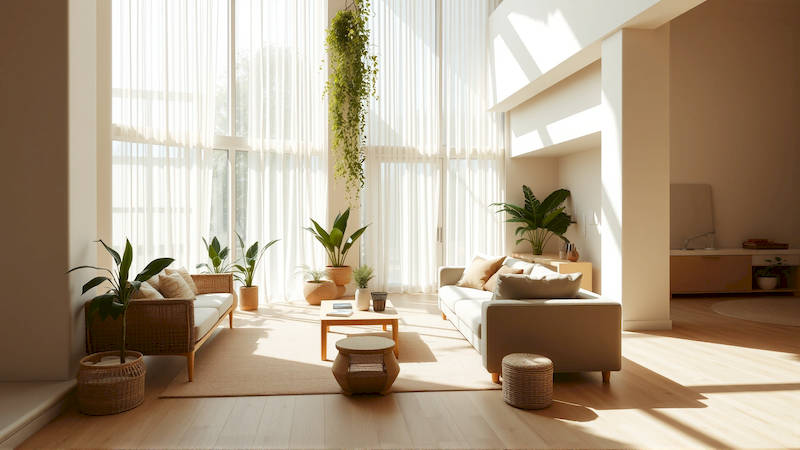
The pursuit of a simpler, more intentional life often leads us to minimalism – a lifestyle focused on reducing clutter and prioritizing experiences over possessions. However, minimalist living isn’t just about aesthetics; it’s fundamentally about sustainability. A key, often overlooked aspect of sustainable minimalism is the intentional use of natural light, which not only elevates the ambiance of a space but also dramatically reduces our reliance on artificial lighting and, consequently, lowers energy consumption. This article dives deep into how minimalist design principles can be leveraged to maximize natural light, creating homes that are both beautiful and ecologically responsible. We will explore specific strategies, design choices, and practical considerations for embracing this harmonious approach to living.
The connection between minimalist aesthetics and energy efficiency has been gaining traction. The essence of minimalism—clean lines, decluttered spaces, and a focus on functionality—inherently lends itself to designs that optimize light flow. By stripping away unnecessary ornamentation and maximizing open space, we allow sunlight to penetrate deeper into our homes, reducing the need for artificial illumination during daylight hours. This isn’t simply a stylistic preference; it's a powerful step towards lower energy bills, a smaller carbon footprint, and a healthier, more vibrant living environment. Moreover, access to natural light has been demonstrably linked to improved mood, increased productivity, and better overall well-being.
We'll look beyond just paint colors and furniture arrangement, examining the architectural considerations, material choices, and even landscaping strategies that can amplify natural light. This article aims to provide a comprehensive guide for anyone looking to integrate these principles into their own homes, regardless of their existing architectural style, offering a pathway towards a brighter, more sustainable future. By understanding the why behind these design choices, you’ll be equipped to create a truly harmonious living space that benefits both you and the planet.
- The Power of Light: Understanding its Impact on Energy Consumption and Wellbeing
- Decluttering for Illumination: Minimizing Obstructions to Light Flow
- Strategic Color Palettes: Reflecting and Amplifying Natural Light
- Window Treatments and Architectural Considerations: Maximizing Light Intake
- Beyond the Walls: Outdoor Spaces as Light enhancers
The Power of Light: Understanding its Impact on Energy Consumption and Wellbeing
The link between lighting and energy consumption is undeniable. According to the U.S. Energy Information Administration, lighting accounts for approximately 15% of the average household’s electricity bill. While energy-efficient lighting options like LEDs have made significant strides in reducing this consumption, the most effective solution remains utilizing the readily available and free resource of natural sunlight. Designing with light in mind isn’t just about lowering costs; it’s about drastically reducing dependence on power grids and minimizing our environmental impact. And that impact is significant - reducing electrical usage from lighting contributes to reduced greenhouse gas emissions and lower demand on energy production facilities.
The benefits extend far beyond the financial and ecological. Exposure to natural light regulates our circadian rhythms, influencing sleep patterns, hormone production, and overall mood. Studies have shown that environments with ample natural light can lead to reduced stress, increased alertness, and improved cognitive function. This is partially due to the production of Vitamin D when skin is exposed to sunlight – a vital nutrient often lacking in individuals who spend most of their time indoors. A well-lit space feels more open, inviting, and conducive to both relaxation and productivity, profoundly impacting our quality of life. Conversely, poorly lit spaces can contribute to eye strain, headaches, and feelings of confinement.
Therefore, treating natural light as a primary design element is paramount. This means actively considering sun angles, window placement, and the use of materials that diffuse and reflect light effectively. It’s about creating a home that works with the sun, rather than simply blocking it out. This proactive approach transforms the home from a passive consumer of energy to an active participant in sustainable living.
Decluttering for Illumination: Minimizing Obstructions to Light Flow
Minimalism’s core principles directly support maximizing natural light. Clutter absorbs light, creating shadows and making spaces feel smaller and darker. A cluttered window sill, overloaded shelves, or furniture blocking windows drastically reduce the amount of light entering a room. The intentional selection and arrangement of furniture are critical components of this process; prioritizing quality pieces over quantity, and arranging them to facilitate rather than obstruct light flow. Consider the footprint of your furniture – can pieces be downsized or moved to better allow sunlight into the space?
Often, we accumulate possessions without realizing their impact on the overall atmosphere of a room. A minimalist approach challenges us to examine each item and its necessity. Removing unnecessary objects instantly brightens a space by allowing light to travel further and reflect off surfaces more effectively. This practice extends beyond furniture to include window treatments. Heavy drapes and dark-colored curtains, while aesthetically pleasing, can significantly block natural light. Choosing lighter fabrics, sheer curtains, or even foregoing curtains altogether, can make a remarkable difference. Consider installing blinds or shades that can be adjusted to control light levels without completely blocking them out.
This goes beyond the removal of objects; it's also about the way we organize. Utilizing vertical storage solutions, like tall bookshelves or wall-mounted shelving, can free up floor space, allowing light to circulate more freely. Transparent and reflective storage containers can also help to bounce light around the room. The goal is to create a visual openness that enhances the perception of brightness and spaciousness.
Strategic Color Palettes: Reflecting and Amplifying Natural Light
Color plays a crucial role in how we perceive light. Dark colors absorb light, while lighter colors reflect it. In minimalist design, a predominantly light color palette is employed to maximize the impact of natural light. This doesn't mean exclusively white walls, though white is an excellent choice. Off-whites, creams, pale grays, and soft pastels all work effectively to create a bright and airy atmosphere. The key is to choose colors that have a high Light Reflectance Value (LRV) - a measure of how much light a surface reflects.
However, a completely monochromatic palette can feel sterile. Incorporating subtle variations in tone and texture adds depth and visual interest while still maintaining the overall lightness. For example, using a slightly darker shade of white for trim or accent walls can create a sense of dimension without sacrificing brightness. Furthermore, consider the color of flooring. Lighter-colored floors, such as light wood or tile, reflect more light than darker materials, contributing to a brighter overall ambiance. Choosing furniture in lighter hues will continue the effect.
Beyond wall and floor colors, consider the impact of accessories. Mirrors are powerful tools for reflecting and amplifying natural light. Strategically placed mirrors can bounce light around a room, making it feel larger and brighter. Using reflective surfaces, such as glass tabletops or metallic accents, can also contribute to this effect. While pops of color can be incorporated in small doses, prioritize a primarily light and reflective palette to maximize the benefits of natural light.
Window Treatments and Architectural Considerations: Maximizing Light Intake
Window size and placement are fundamental to maximizing natural light. Larger windows naturally allow more light to enter, but their orientation is equally important. South-facing windows receive the most sunlight throughout the day, while north-facing windows provide a cooler, more diffused light. East-facing windows offer bright morning light, and west-facing windows provide warm afternoon light. Understanding these variations allows you to strategically place rooms based on their intended use. For example, a north-facing window might be ideal for a home office, providing consistent, glare-free lighting, while a south-facing window is perfect for a living room.
When renovating or building, consider incorporating design features specifically aimed at maximizing light intake. Skylights are an excellent option for bringing light into interior spaces that may not have access to windows. Light tubes, which channel sunlight from the roof to interior rooms, are another effective solution. Even simple architectural details, such as extending windows closer to the floor or ceiling, can increase light penetration. When it comes to window treatments, prioritize options that allow light to filter through. Sheer curtains, blinds with adjustable slats, or even leaving windows uncovered altogether are all excellent choices. Avoid heavy, opaque curtains that block out light completely.
Remember to consider the surrounding environment. Trees and buildings can cast shadows, reducing the amount of sunlight that reaches your home. Strategic landscaping can help to mitigate this issue – trimming trees to allow more light to pass through, or planting deciduous trees that lose their leaves in the winter, allowing sunlight to reach your home during the darker months.
Beyond the Walls: Outdoor Spaces as Light enhancers
The principle of maximizing natural light shouldn't be confined to the interior of the home. Extending this mindset to outdoor spaces can further enhance the overall brightness and create a seamless transition between indoor and outdoor living. Consider using light-colored paving materials for patios and walkways, reflecting light back into the house. Strategically placed mirrors in the garden can also bounce light around, creating a more luminous atmosphere. Beyond that, focus on light-colored landscaping.
Reflective garden elements (like polished stones or metallic sculptures) can enhance the effects of sunlight. Utilizing a minimalist landscape design – fewer large trees, more open space – will similarly allow for increased light penetration. Even the paint color of fences and exterior walls can impact the amount of light reflected into the home. Choosing light colors for these surfaces can significantly brighten the surroundings. Furthermore, incorporating water features, such as ponds or fountains, can create shimmering reflections that add to the sense of brightness and spaciousness.
By carefully considering the interplay between indoor and outdoor spaces, you can create a holistic design that maximizes natural light and promotes a sense of tranquility and connection with nature. This integrated approach aligns perfectly with the principles of sustainable minimalism, fostering a harmonious and ecologically responsible lifestyle.
In conclusion, leveraging minimalist design to maximize natural light and reduce power use isn't just about aesthetics – it's a holistic approach to sustainable living that benefits both our well-being and the environment. By decluttering, embracing light color palettes, carefully considering window treatments and architectural features, and extending the principles to outdoor spaces, we can create homes that are bathed in natural light, reducing our reliance on artificial illumination and fostering a healthier, more vibrant lifestyle. The key takeaways are to prioritize light reflection, minimize obstructions, and treat natural light as a primary design element. Start by assessing your current spaces – identify areas where light is blocked or absorbed, and begin to implement small changes, like rearranging furniture or swapping out heavy curtains, to make a noticeable difference. Embrace the opportunity to live more intentionally, more sustainably, and in harmony with the natural world.
Deja una respuesta