
Maximizing Vertical Storage to Maintain a Clean, Minimalist Space
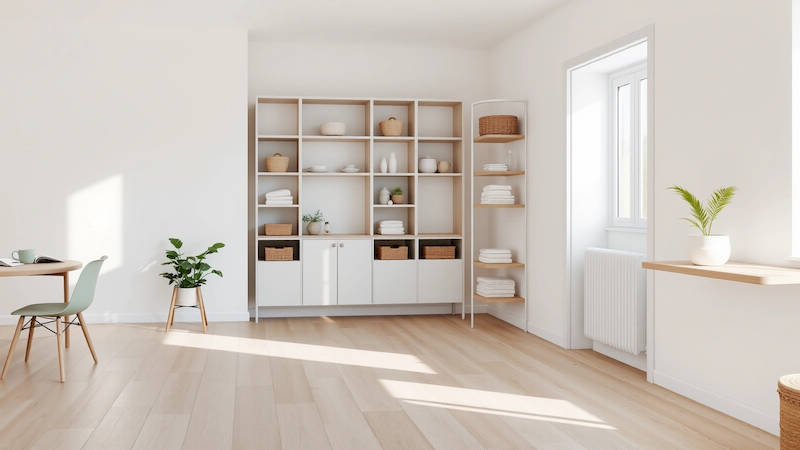
The pursuit of a minimalist lifestyle isn’t merely about owning fewer possessions; it’s about intentionality, organization, and creating a calm, functional living space. In a world obsessed with “more,” minimalism offers a refreshing counter-narrative, focusing instead on quality over quantity and efficiency over excess. A common hurdle for aspiring minimalists, however, is often the perception of limited space. It’s not necessarily about having a large home, but about utilizing the space you do have effectively. This is where the power of vertical storage comes into play, transforming unused areas into incredibly valuable organizational assets. Cleverly maximizing verticality is fundamental to maintaining a clean, uncluttered, and truly minimalist environment, addressing a core tenet of the lifestyle: everything in its place.
For many, the idea of vertical storage conjures images of cluttered shelving units and precarious stacks. But done correctly, it's about more than simply stacking things higher. It’s about leveraging the often-ignored space above eye level, utilizing walls, and transforming rooms to necessitate less floor space. This approach not only declutters surfaces but also creates a sense of spaciousness and visual calm, crucial components of minimalist design. The benefits extend beyond aesthetics, streamlining daily routines and reducing stress—a core principle of a minimalist life.
This article will delve into the art and science of maximizing vertical storage, offering practical strategies and inspiring ideas to transform your home into a haven of organized simplicity, embracing the core tenets of minimalist living. We’ll move beyond basic shelving, exploring creative solutions suitable for any space and budget, ultimately helping you achieve a more peaceful and productive life.
- Understanding the Principles of Vertical Space Maximization
- Utilizing Wall Space: Beyond Standard Shelving
- The Power of Tall & Narrow Storage Furniture
- Transforming Underutilized Spaces: Above Doors, Corners & More
- Maintaining Vertical Organization: Ongoing Habits & Adjustments
- Conclusion: Reaching a New Level of Minimalist Living
Understanding the Principles of Vertical Space Maximization
Effective vertical storage starts with a shift in perspective. Instead of thinking about floor space as the primary organizing tool, consider your walls and the airspace above furniture as untapped potential. Before diving into specific solutions, it’s crucial to audit your belongings and truly assess what needs storing. A minimalist approach demands ruthless decluttering before attempting to organize; simply stacking clutter higher only amplifies the problem. Start by categorizing items and questioning the necessity of each. If you haven’t used something in six months, seriously consider donating, selling, or discarding it. This foundational step ensures you’re only optimizing storage for items you truly value and use.
The success of vertical organization hinges on understanding visual weight and balancing functionality with aesthetics. Overly bulky or dark-colored shelving can make a room feel smaller, defeating the purpose. Instead, opt for lighter materials and open shelving wherever possible, allowing light to flow through and creating a sense of openness. Utilizing the full height of a room isn't just about reaching the ceiling; it's about strategic placement. Consider the lines of sight and how storage solutions interact with existing architectural features. Placement should be deliberate and enhance the overall flow of the room, not obstruct it.
Finally, remember the importance of accessibility. Items used frequently should be stored within easy reach, while less-used items can occupy higher, less accessible spaces. This prevents reaching and stretching, promoting safety and encouraging consistent organization. Thinking about items in terms of frequency of use dramatically improves the utility of vertical storage, making it sustainable long term. Expert interior designers like Marie Kondo consistently emphasize the importance of “homes” for possessions, and strategically utilizing vertical space is a key component in creating these designated homes.
Utilizing Wall Space: Beyond Standard Shelving
While traditional shelving is a valuable tool, limiting yourself to it ignores a wealth of possibilities. Wall-mounted cabinets, particularly in kitchens and bathrooms, provide concealed storage that keeps surfaces clean and clutter-free. Floating shelves offer a more modern aesthetic and can be strategically placed to showcase decorative items or frequently used essentials, reducing dependence on floor-standing furniture. Consider using different depths for different areas; deeper shelves in pantries and shallower shelves for displaying artwork. When selecting materials, keep the overall aesthetic of your home in mind, opting for finishes that complement existing décor.
Beyond cabinets and shelves, think about alternative wall-mounted solutions. Pegboards, traditionally found in garages, are incredibly versatile and can be customized to hold everything from kitchen utensils to office supplies. Utilize hooks for hanging everything from coats and bags to pots and pans, freeing up valuable floor and counter space. Magnetic knife strips in the kitchen and magnetic boards for office supplies are yet another space saving and stylish alternative. Don’t forget the power of artwork that doubles as storage – creative wall hangings can integrate hidden compartments or serve as a backdrop for displaying functional items.
To create a cohesive look, consider a consistent color palette for wall-mounted storage. This ties the space together and adds a sense of visual calm. Furthermore, be mindful of load-bearing capacity when installing any wall-mounted solution – ensuring proper installation is crucial for safety and functionality. A little planning upfront can unlock significant space-saving potential.
The Power of Tall & Narrow Storage Furniture
When floor space is a premium, tall and narrow storage furniture is a game-changer. Think bookshelves that reach the ceiling, pantry cabinets that maximize vertical space in the kitchen, or linen towers in the bathroom. These pieces provide a substantial amount of storage without encroaching on the room’s footprint. The key is to choose pieces that are proportioned correctly for the room. An overly tall unit in a low-ceilinged room can feel oppressive, while a too-narrow unit might lack sufficient storage capacity.
When choosing tall storage, prioritize stability. Secure these pieces to the wall using anti-tip hardware to prevent accidents, especially in homes with children or pets. Interior organization is equally important. Utilize shelf dividers, baskets, and containers to compartmentalize items and prevent clutter from building up. Labeling bins clearly ensures everyone knows where things belong, promoting consistent organization. For bookshelves, consider varying the arrangement of books - both horizontally and vertically - to create visual interest and fill the space effectively.
Don't limit this principle to traditional furniture pieces. Consider utilizing ladder shelves, leaning bookshelves, or even repurposed bookcases. These options offer a stylish alternative to conventional storage, adding character and personality to your space while maximizing vertical capacity. The goal is to seamlessly integrate storage into the room’s design, rather than treating it as an afterthought.
Transforming Underutilized Spaces: Above Doors, Corners & More
Many homes contain hidden pockets of underutilized space that are ripe for vertical storage. The area above doorways is a prime example. Installing a shelf above doors can provide storage for infrequently used items like seasonal decorations, extra linens, or luggage. Similarly, corners often go to waste. Corner shelving units or custom-built corner cabinets can transform awkward spaces into functional storage solutions.
Another often overlooked area is the space between the top of cabinets and the ceiling. This space can be used to store seasonal items, extra bedding, or items rarely accessed. Utilizing baskets or decorative boxes can elevate the look of this area and conceal clutter. Don't forget to think vertically in the bathroom - over-the-toilet storage units and tall, narrow cabinets can significantly increase storage capacity in small bathrooms.
Expanding beyond individual rooms, consider utilizing the vertical space in hallways. Tall lockers or slim shelving units can provide storage for coats, shoes, and other everyday items, keeping them organized and out of the way. Remember that utilizing these often-forgotten spaces requires keen observation and a willingness to think outside the box.
Maintaining Vertical Organization: Ongoing Habits & Adjustments
Creating vertical storage is only the first step; maintaining it requires consistent effort and the development of good habits. Regularly decluttering is paramount. This isn’t a one-time event; it’s an ongoing process that prevents clutter from accumulating and overwhelming your storage solutions. Implement a "one in, one out" rule – for every new item you bring into your home, donate or discard an old one.
Periodic assessments are also crucial. As your needs change, your storage solutions may need to be adjusted. Don't be afraid to rearrange shelves, repurpose containers, or even invest in new storage solutions to better meet your current needs. Labeling everything clearly is essential for maintaining order. A well-labeled system makes it easy for everyone in the household to find what they need and put things back in their place.
Finally, embrace the minimalist mindset. Vertical storage isn’t about accommodating more stuff; it’s about optimizing the space for the things you truly value. Regularly evaluate your possessions and let go of anything that doesn’t serve a purpose or bring you joy. As Francine Jay, author of "Miss Minimalist," emphasizes, “Minimalism isn’t about deprivation, it’s about intention.”
Conclusion: Reaching a New Level of Minimalist Living
Maximizing vertical storage is more than just an organizational technique; it's a fundamental component of minimalist living. By strategically utilizing the often-ignored space above eye level, on walls, and in underutilized corners, you can transform your home into a haven of calm and functionality. From understanding the principles of visual balance and accessibility to exploring innovative storage solutions and maintaining consistent habits, this article has provided a comprehensive guide to unlocking the potential of vertical space.
The key takeaway is that a minimalist lifestyle is not about limitations, but about intentionality. It's about consciously choosing to surround yourself with only the things that add value to your life and creating a space that supports your well-being. Start small, focusing on one area at a time. Declutter ruthlessly, evaluate your needs, and experiment with different storage solutions. Remember that the goal is not just to organize your possessions, but to create a more peaceful, productive, and fulfilling life. By embracing the power of vertical storage, you can reach new heights in your minimalist journey, literally and figuratively.
Deja una respuesta