
Building a voice-controlled smart home theater experience
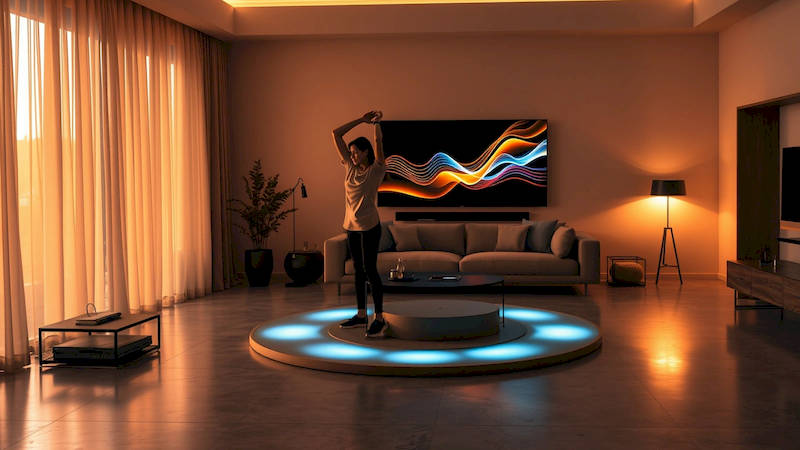
The home theater has evolved dramatically from a dedicated room with bulky equipment to a more integrated and accessible experience, often interwoven with the entire smart home ecosystem. Today’s tech-savvy homeowner doesn’t just want to watch a movie; they want a seamless, immersive experience controlled with the sound of their voice. This article delves into the intricacies of building a voice-controlled smart home theater, encompassing device selection, integration challenges, customization possibilities, and future trends. The appeal is clear: hands-free control reduces distractions, enhances immersion, and streamlines operations, creating a truly modern cinematic environment.
The shift towards voice control isn’t simply about convenience; it represents a fundamental change in how we interact with technology. Previously, multiple remotes, complex menus, and manual adjustments were the norm. Now, through voice assistants like Amazon Alexa, Google Assistant, and Apple Siri, these tasks can be managed effortlessly. Statistically, the smart home market is booming, with voice control being a primary driver. A recent report by Statista forecasts the smart home market will reach $358.5 billion by 2028, with voice assistants representing a significant percentage of that growth. Building a voice-controlled home theater is, therefore, not just a trend, but a proactive step towards future-proofing your entertainment setup.
- Choosing the Right Voice Assistant and Ecosystem
- Integrating Your Entertainment Devices: The Core Components
- Automating Lighting and Ambiance with Voice Control
- Customizing Voice Commands and Routines for a Personalized Experience
- Troubleshooting Common Integration Issues and Optimizing Performance
- Looking Ahead: The Future of Voice-Controlled Home Theaters
Choosing the Right Voice Assistant and Ecosystem
The foundation of any voice-controlled smart home theater is, unsurprisingly, the voice assistant itself. The major players – Amazon Alexa, Google Assistant, and Apple Siri – each have their strengths and weaknesses. Alexa boasts the widest device compatibility and a robust skill library, making it a popular choice for early adopters. However, Google Assistant often excels in natural language processing and contextual understanding, allowing for more complex and nuanced commands. Siri, while improving, traditionally lags behind in both compatibility and capabilities, but shines for users deeply embedded within the Apple ecosystem. Careful consideration should be given to existing smart home devices and your preferred ecosystem before making a decision.
Beyond the core assistant, it's crucial to consider the broader ecosystem. Amazon’s Echo devices, Google’s Nest Hubs, and Apple’s HomePod all function as hubs, but their integration capabilities differ. Compatibility with your television, AV receiver, lighting system, and other components is paramount. Researching which devices natively support your chosen assistant is an initial step, but don't overlook the possibility of using universal hubs like SmartThings or Hubitat to bridge compatibility gaps. A well-integrated system minimizes complexity and prevents frustrating command failures.
Ultimately, the "best" voice assistant is subjective and depends heavily on individual preferences and existing technology investments. For instance, a homeowner already leveraging a Google-centric smart home (Nest cameras, Chromecast, Google lights) would likely benefit most from Google Assistant. Conversely, an Amazon Prime subscriber heavily reliant on Alexa-enabled devices would find Alexa the more natural fit.
Integrating Your Entertainment Devices: The Core Components
Once the voice assistant is selected, the next step is integrating your core entertainment devices. This typically involves connecting your television, AV receiver, streaming devices (Roku, Apple TV, Nvidia Shield), and potentially a Blu-ray player. Modern smart TVs often offer native integration with popular voice assistants, allowing for basic control like power on/off, volume adjustment, and input switching. However, for full control, especially for older or less-smart televisions, a smart remote or hub is often necessary.
AV receivers, the heart of any home theater audio setup, frequently support voice control through network connectivity. Many receivers are now compatible with both Alexa and Google Assistant, enabling commands like “Alexa, turn up the volume” or “Hey Google, switch to Dolby Atmos.” Streaming devices can also be directly controlled via voice commands – "Alexa, play Stranger Things on Netflix," for example. A key component here is ensuring all devices are on the same network and properly configured within the voice assistant's app. One of the biggest integration hurdles is handling HDMI-CEC (Consumer Electronics Control), a feature that allows devices to control each other over HDMI. While convenient in theory, CEC implementation varies wildly between manufacturers and can often lead to unpredictable behavior. Careful configuration and potentially disabling CEC on certain devices can often resolve these issues.
Automating Lighting and Ambiance with Voice Control
A truly immersive home theater experience extends beyond audio and video; it encompasses the overall ambiance. Voice control provides an excellent opportunity to automate lighting, shades, and even temperature to create the perfect setting for movie night. Smart lighting systems, like Philips Hue, LIFX, or those integrated with SmartThings, can be controlled with simple voice commands such as "Alexa, dim the lights to 20%" or "Hey Google, set the mood lighting for movie night."
Creating scenes is particularly powerful. A "Movie Night" scene, for example, could automatically dim the lights, close the shades, and adjust the thermostat to a comfortable temperature. This level of automation enhances immersion and reduces the need for manual adjustments during the film. For motorized shades, compatible products from Lutron Serena or Somfy can be integrated into the voice control system to adjust natural light levels. However, it's important to consider the latency involved. There can sometimes be a slight delay between issuing the voice command and the action being executed, which can be disruptive if not managed effectively. Utilizing routines within the voice assistant’s app can help optimize performance by bundling multiple actions into a single command.
Customizing Voice Commands and Routines for a Personalized Experience
The power of voice control truly shines when you move beyond basic commands and start customizing the system to your specific needs and preferences. This is where routines and custom skills come into play. Both Alexa and Google Assistant allow you to create routines that trigger a series of actions with a single voice command. For instance, a "Start Movie" routine could power on the TV, AV receiver, and streaming device, dim the lights, and close the shades simultaneously.
Beyond pre-defined routines, you can also explore the possibility of creating custom skills or actions using platforms like IFTTT (If This Then That). This allows you to connect your smart home theater devices with other services and create more complex automations. For example, you could create a routine that automatically pauses the movie when your smartphone rings or even integrates with a snack delivery service. The goal is to tailor the experience to your lifestyle and create a truly personalized home theater environment. Remember that well-named, intuitive commands are crucial for ease of use. Avoid overly complex or ambiguous phrases.
Troubleshooting Common Integration Issues and Optimizing Performance
Setting up a voice-controlled smart home theater isn’t always seamless. Common issues include device compatibility problems, network connectivity issues, and command recognition errors. When troubleshooting, start by verifying that all devices are connected to the same Wi-Fi network and are within range of the voice assistant hub. Check for firmware updates for all devices, as these often include compatibility fixes and performance improvements.
If command recognition is unreliable, ensure the microphone on the voice assistant device is unobstructed and that the room isn’t excessively noisy. Adjusting the sensitivity of the microphone within the voice assistant’s app can also help. For stubborn compatibility issues, explore the use of universal remotes or hubs like those mentioned earlier. Regularly reviewing the voice assistant’s activity log can identify patterns and pinpoint the source of errors – for instance, consistently failing to control a particular device. Finally, remember that a strong, reliable Wi-Fi network is paramount. Consider upgrading your router or adding a mesh network to ensure consistent coverage throughout your home theater space.
Looking Ahead: The Future of Voice-Controlled Home Theaters
The future of voice-controlled home theaters is poised for even greater innovation. Advancements in artificial intelligence and machine learning will lead to more natural and intuitive voice interactions. Expect to see voice assistants becoming more proactive, anticipating your needs and making suggestions based on your viewing habits. Integration with other smart home systems will become even more seamless, creating a truly interconnected living experience.
Currently being explored are concepts like spatial audio control through voice, allowing you to dynamically adjust the soundstage based on your preferences and the content being played. Moreover, the rise of ambient computing will blur the lines between technology and the physical environment, with voice control becoming even more integrated and invisible. "According to Deloitte's 2023 Connectivity and Mobile Trends report, households with smart home devices are projected to continue increasing significantly, driving demand for better voice control integration," states Jennifer Holmes, a technology analyst specializing in smart home automation. The ongoing development of protocols like Matter promises greater interoperability between devices from different manufacturers, simplifying setup and enhancing the overall user experience.
In conclusion, building a voice-controlled smart home theater offers a transformative entertainment experience, blending convenience, immersion, and personalization. By carefully selecting the right voice assistant, integrating your core components, automating your ambiance, customizing your commands, and proactively troubleshooting issues, you can create a cinematic haven that responds to your every voice command. The key takeaways are prioritizing compatibility, focusing on practical automation, and embracing the ongoing evolution of smart home technology. Don’t simply buy the gadgets; invest in creating a cohesive, intuitive system that elevates your movie nights to a whole new level. Your next step should be to map out your existing devices, identify your primary voice assistant preference, and begin experimenting with routines to unlock the full potential of your smart home theater.
Deja una respuesta