
Creating Healthy Indoor Environments with Smart Air Purifiers
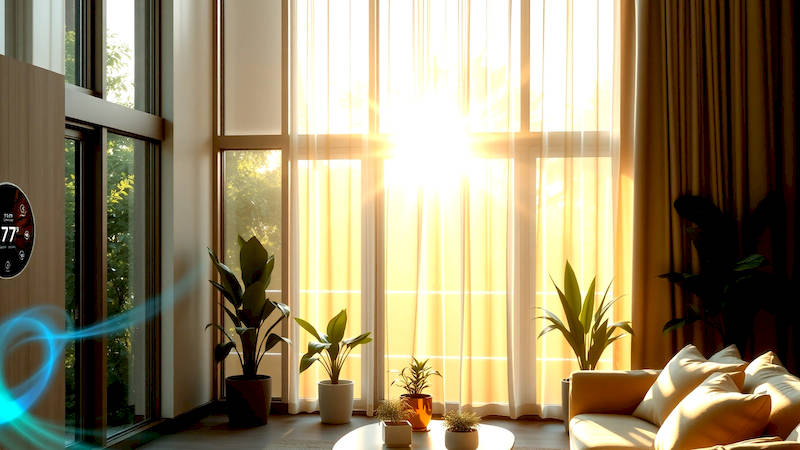
The air we breathe indoors often contains a surprising number of pollutants – dust, pollen, pet dander, volatile organic compounds (VOCs), mold spores, and even viruses. While we often think of outdoor air quality as the primary concern, the Environmental Protection Agency (EPA) estimates that indoor air can be two to five times, and sometimes even 100 times, more polluted than outdoor air. This is largely due to how tightly sealed modern homes are built for energy efficiency, trapping pollutants inside. As we spend upwards of 90% of our time indoors, the quality of that air directly impacts our health, affecting everything from allergy symptoms and respiratory issues to long-term health conditions. Fortunately, smart air purifiers offer a technologically advanced solution to drastically improve indoor air quality, moving beyond traditional filtration to learn, adapt, and proactively combat pollutants.
The rise of smart home technology has extended into climate control, offering more than just temperature regulation. Smart air purifiers represent a leap forward, leveraging sensors, connectivity, and data analysis to provide a holistic approach to indoor air quality management. Unlike older models that simply circulate air through a filter, these devices can identify specific pollutants, adjust fan speeds automatically, and even integrate with other smart home systems for a truly responsive environment. This article will delve into the intricacies of smart air purification, exploring the different technologies available, the benefits they offer, how to choose the right purifier for your needs, and offer guidance on integration within a broader smart home ecosystem.
Understanding the Pollutants in Your Home
Before diving into the technology, it’s important to understand what smart air purifiers are working against. The types of pollutants present in your home will heavily influence the type of purifier you need. Particulate matter (PM), consisting of tiny airborne particles, is a major concern. This includes PM2.5 (particles 2.5 micrometers or less in diameter) and PM10 (particles 10 micrometers or less), which can penetrate deep into the lungs and cause respiratory problems. Sources include combustion (cooking, burning wood), traffic pollution that drifts indoors, and even dust. Then there are gaseous pollutants, like VOCs, released from paints, cleaning supplies, furniture, and even everyday items like air fresheners. These can cause headaches, dizziness, and long-term health issues.
Beyond these common culprits, biological pollutants like mold spores, bacteria, and viruses also plague indoor air. Moisture buildup in bathrooms, kitchens, or basements encourages mold growth, while airborne viruses can spread quickly through enclosed spaces. Pet dander, a significant allergen, is another common component of indoor air pollution, even in homes without pets, as it can linger on surfaces and in fabrics for extended periods. A comprehensive air purifier should address multiple pollutant types, employing various filtration techniques to maximize effectiveness. Ignoring the specific pollutant profile of your home can lead to purchasing an inadequate device.
Core Technologies in Smart Air Purification
Smart air purifiers utilize a combination of filtration and purification technologies to create healthier indoor environments. The foundation of most purifiers is a pre-filter, designed to capture larger particles like dust, pet hair, and pollen. This extends the life of subsequent filters. Following the pre-filter is typically a HEPA (High-Efficiency Particulate Air) filter, the gold standard for removing at least 99.97% of particles 0.3 micrometers in diameter – this includes most airborne viruses, bacteria, and allergens. However, HEPA filters only address particulate matter; they don’t remove gases or odors.
This is where activated carbon filters come in. These filters, made from specially treated carbon, effectively absorb VOCs, odors, and gases. The higher the carbon content and the larger the surface area, the more effective the filter. Some advanced purifiers incorporate additional technologies like UV-C light, which uses ultraviolet rays to kill bacteria, viruses, and mold spores as they pass through the purifier. Though controversial in some contexts, when used correctly as part of a multi-stage filtration system, UV-C can be beneficial. Finally, ionizers release negative ions into the air, which attach to airborne particles, causing them to become heavier and fall out of circulation. However, some ionizers can produce ozone, a lung irritant, so it’s crucial to choose models with low or no ozone emissions.
Choosing the Right Smart Air Purifier: Key Considerations
Selecting the best smart air purifier for your home involves evaluating several key factors. The most important is the Clean Air Delivery Rate (CADR), a standardized measure that indicates how quickly the purifier cleans a specific size room. CADR ratings are provided for dust, pollen, and smoke. Match the CADR to the square footage of the room where it will be used; a higher CADR is needed for larger spaces. Another essential consideration is filter replacement costs and frequency. HEPA and carbon filters need regular replacement, which can add up over time.
Furthermore, examine the smart features offered. Do you want integration with voice assistants like Amazon Alexa or Google Assistant? Does the purifier have an app that provides real-time air quality data and allows for remote control? Some purifiers even offer automated modes that adjust fan speed based on detected pollutants. Consider your individual needs. If you have allergies, prioritize a purifier with a high-quality HEPA filter. If you’re concerned about odors, look for a purifier with a substantial activated carbon filter. Finally, research user reviews and independent testing reports to get an unbiased assessment of performance and reliability.
Integrating Your Air Purifier into a Smart Home Ecosystem
A smart air purifier doesn’t operate in isolation; it shines when integrated into a broader smart home ecosystem. Many purifiers connect to Wi-Fi, allowing for control via a smartphone app, and integration with voice assistants. This enables you to turn the purifier on or off, adjust fan speeds, and check air quality data using voice commands. You can also create routines and automations. For example, you could set the purifier to automatically switch to a higher fan speed when pollen levels are high, or when someone says, “Alexa, start allergy mode.”
Beyond simple control, integration with other smart devices can create a more responsive and energy-efficient home. A purifier could, for instance, work in conjunction with a smart thermostat to optimize ventilation in response to indoor air quality readings. If the air purifier detects high VOC levels, the smart thermostat could automatically increase ventilation by opening windows (if equipped with smart window openers) or running the exhaust fan. This synergistic approach maximizes the benefits of both devices. However, compatibility between devices is crucial; ensure that your chosen purifier integrates seamlessly with your existing smart home platform.
Maintaining and Optimizing Your Smart Air Purifier
Simply purchasing a smart air purifier isn’t enough; regular maintenance is crucial for optimal performance. Filters need to be replaced at the recommended intervals, typically every 3-6 months for HEPA filters and every 6-12 months for carbon filters, though this can vary based on usage and air quality. The purifier’s app often provides filter life indicators. Dust and debris should be wiped off the exterior of the purifier regularly. Some purifiers have washable pre-filters, further extending the life of the main filters.
Beyond routine maintenance, consider placement. Position the purifier in a central location in the room, away from obstructions that could block airflow. For optimal results, run the purifier continuously, even when you’re not home, to maintain consistent air quality. Regularly check the air quality data provided by the purifier’s app to identify potential sources of pollution and take steps to address them. Finally, avoid placing the purifier in areas with high humidity, which can damage internal components.
The Future of Smart Air Purification
The field of smart air purification is constantly evolving. Emerging technologies include advanced sensor technologies capable of detecting a wider range of pollutants with greater accuracy, and algorithms that learn your habits and optimize performance accordingly. We’re also seeing the development of purifiers with more sustainable filter materials and designs, reducing environmental impact. Expect to see more integration with Building Management Systems (BMS) in commercial settings, allowing for centralized air quality monitoring and control. Furthermore, the trend towards personalized air purification is gaining traction, with purifiers tailoring their performance to individual sensitivities and preferences, utilizing data from wearable sensors and other sources. The convergence of AI, IoT, and advanced filtration technologies promises a future where truly healthy indoor environments are readily achievable for everyone.
In conclusion, smart air purifiers are a powerful tool for improving indoor air quality and protecting your health. By understanding the pollutants in your home, choosing the right purifier with the appropriate technologies, integrating it into your smart home ecosystem, and maintaining it properly, you can create a cleaner, healthier living environment. Don’t view a smart air purifier as a standalone device, but as a key component of a comprehensive approach to wellness and a smart, responsive home. Taking the steps outlined in this article will empower you to breathe easier and live healthier, indoors.
Deja una respuesta