
Designing Mood Lighting for Relaxation Using Smart Light Color Features
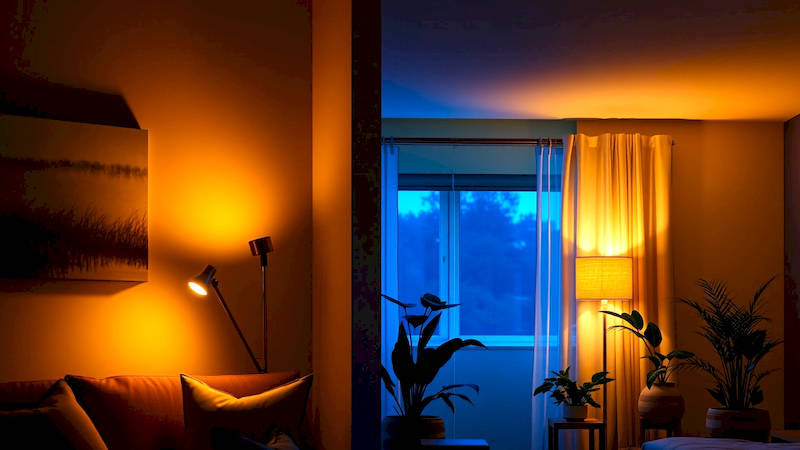
The modern home is increasingly becoming a sanctuary, a space deliberately crafted to support wellbeing and manage the stresses of daily life. While interior design has long recognized the emotional power of color, the advent of smart lighting systems has revolutionized our ability to harness that power with unprecedented nuance and automation. No longer are we limited to fixed light fixtures and a single ambient glow; instead, we can dynamically adjust color temperature, hue, and brightness to curate environments specifically optimized for relaxation, focus, or any mood we desire. This isn’t just about aesthetics - studies demonstrate a strong correlation between light exposure and our circadian rhythms, hormone production, and even our mental state.
The capability to design mood lighting for relaxation through smart light color features offers a powerful tool for reclaiming control over our home environments, contributing to reduced stress levels, improved sleep quality, and enhanced overall emotional wellbeing. Beyond simply switching lights on and off, these systems allow us to mimic natural light patterns, create soothing color palettes, and personalize lighting schemes to suit individual preferences. This article will delve into the science behind how color impacts mood, the specific features of smart lighting systems that facilitate relaxation, and provide actionable strategies for designing and implementing effective mood lighting schemes.
Understanding the principles of color psychology and leveraging the technological advancements in smart lighting can transform your home into a true haven of tranquility. The ability to program and automate these changes takes this concept beyond a one-time design effort and turns it into a continuously optimized and responsive environment.
- The Science of Color and Relaxation: How Light Affects Our Wellbeing
- Key Features in Smart Lighting Systems for Relaxation
- Creating a Relaxing Atmosphere in the Living Room with Smart Lighting
- Designing Bedroom Lighting for Optimal Sleep & Rest
- Utilizing Smart Lighting for Mindfulness and Meditation Spaces
- Automating Relaxation: Smart Home Integration and Schedules
- Conclusion: Towards a More Relaxing and Wellbeing-Focused Home
The Science of Color and Relaxation: How Light Affects Our Wellbeing
The link between color and emotion isn’t merely subjective. It’s deeply rooted in our biology and evolutionary history. Our brains process visual information at an incredibly rapid rate, and color is one of the first elements we perceive. This perception triggers a cascade of physiological responses, influencing everything from our heart rate and blood pressure to the release of hormones like melatonin and cortisol. Warm colors like reds and oranges can be stimulating, increasing energy and excitement, while cool colors like blues and greens tend to be calming and relaxing. It’s crucial to understand these baseline responses when designing a relaxation-focused lighting scheme.
Specifically, the impact of light on our circadian rhythm – our internal 24-hour clock – is paramount. Exposure to blue light, especially in the evening, suppresses melatonin production, the hormone that regulates sleep. Conversely, warmer, amber-toned light has a minimal impact on melatonin, allowing our bodies to prepare for rest. This is why using smart lights to shift towards warmer tones in the hours before bedtime can significantly improve sleep quality. Research conducted by the National Sleep Foundation consistently highlights the importance of minimizing blue light exposure before bed.
Furthermore, studies in chromotherapy (color therapy) suggest that specific colors can have therapeutic effects. While the scientific evidence is still evolving, many proponents believe that exposure to certain colors can alleviate symptoms of anxiety, depression, and stress. Even subtle shifts in color temperature and hue can make a noticeable difference in how we feel within a space. It’s vital to acknowledge that individual responses to color can vary, but understanding the general principles provides a strong foundation for creating a relaxing atmosphere.
Key Features in Smart Lighting Systems for Relaxation
Smart lighting systems have moved beyond simple dimming capabilities, offering a wealth of features specifically designed to enhance mood and wellbeing. Color temperature control is arguably the most important feature. This allows you to adjust the ‘warmth’ of the light, measured in Kelvins (K). Lower Kelvin values (2700K - 3000K) produce a warmer, more amber glow, ideal for evenings and relaxation, while higher Kelvin values (4000K - 6500K) emit a cooler, brighter light, suitable for tasks and daytime activities. Modern systems usually allow for a full spectrum of temperature adjustment.
Beyond temperature, the ability to control color hue unlocks a wider range of possibilities. While often associated with playful effects, thoughtfully chosen hues, particularly within the blue-green spectrum, are known for their calming properties. Many systems offer pre-set scenes designed for relaxation, but the real power lies in the ability to customize these schemes. Features like dynamic lighting effects, where colors subtly shift and blend, can be particularly effective in creating a soothing ambiance. Look for systems that integrate with natural light sensors, enabling them to automatically adjust color temperature throughout the day to mimic the sun's cycle.
Finally, consider systems that offer integration with voice assistants and smart home platforms. This allows for hands-free control, offering ultimate convenience and the ability to quickly adjust lighting to suit your mood. Philips Hue, LIFX, and Nanoleaf are leading brands offering a robust set of features and extensive customization options, though newer brands are continuously emerging.
Creating a Relaxing Atmosphere in the Living Room with Smart Lighting
The living room often serves as the central hub for relaxation and social interaction, making it an ideal space to experiment with mood lighting. Start by layering your lighting. Avoid relying solely on overhead fixtures; instead, incorporate table lamps, floor lamps, and accent lighting to create a softer, more inviting atmosphere. For a relaxation-focused scheme, prioritize warm color temperatures (2700K-3000K) in the evening. Use smart bulbs in table lamps to cast a warm glow on reading materials or create a cozy atmosphere for watching TV.
Consider using accent lighting to highlight natural elements like plants or artwork. A soft, diffused green or blue hue directed towards plants can enhance their visual appeal and create a sense of tranquility. Experiment with dynamic lighting effects to mimic the flickering of candlelight or the gentle sway of trees in the breeze. Small, slow changes in color temperature and hue are less intrusive than rapid shifts and are better suited for relaxation. Implement a smart home routine that automatically dims the lights and shifts the color temperature to warm tones at sunset.
“The goal is to create a layered and nuanced lighting scheme that responds to your needs and preferences,” says interior designer Sarah Miller, specializing in biophilic design. “Think about how the light interacts with different surfaces and textures in the room. Softening harsh shadows and creating a sense of warmth are key to promoting relaxation.”
Designing Bedroom Lighting for Optimal Sleep & Rest
The bedroom should be a sanctuary dedicated to sleep and rejuvenation, and lighting plays a critical role in establishing this environment. Prioritize dimmable lights throughout the bedroom, allowing you to gradually reduce brightness as bedtime approaches. Avoid using blue-enriched light in the bedroom, especially in the evening. Opt for warm-toned smart bulbs (2200K-2700K) in bedside lamps and overhead fixtures. Consider using a smart sunrise alarm clock that gradually increases the brightness of the light in the morning, mimicking the natural sunrise and promoting gentle awakening.
Implement a strict 'lights out' rule at least an hour before bedtime. If you use electronic devices in bed, consider using blue light filters or wearing blue light blocking glasses. Explore the use of indirect lighting, such as LED strip lights hidden behind the headboard, to create a soft, ambient glow without directly shining light into your eyes. Experiment with different color hues – soft pinks, lavenders, or muted greens can promote calmness and tranquility.
Many users find that a patterned light display can be calming – options like stars or wave simulations run on low intensity can create serene backgrounds, but ensure they aren’t distracting. The key is to create a space that signals to your brain that it's time to wind down and prepare for sleep.
Utilizing Smart Lighting for Mindfulness and Meditation Spaces
Dedicated mindfulness and meditation spaces require a lighting scheme that promotes inner peace and tranquility. In these areas, less is often more. Avoid harsh or overly bright lighting. Choose warm, diffused light sources that create a calming ambiance without being distracting. Soft amber or beige tones (around 2500K) can be particularly effective. Consider using smart bulbs that can dim to extremely low levels, allowing you to create a sense of darkness and stillness.
Experiment with dynamic lighting effects that mimic natural phenomena, such as a gently flickering flame or the subtle movement of water. These patterns can help to focus the mind and promote a sense of calm. Implement a routine that automatically activates a pre-set “meditation scene” when you enter the space. This scene could involve dimming the lights, shifting the color temperature, and activating a calming soundscape.
"Creating a dedicated space for mindfulness is incredibly important," notes Dr. Emily Carter, a clinical psychologist specializing in stress management. "Controlling the sensory environment, including the lighting, can significantly enhance the effectiveness of meditation practices. A calming, dimly lit space encourages relaxation and reduces mental stimulation."
Automating Relaxation: Smart Home Integration and Schedules
The true power of smart lighting for relaxation lies in its ability to be automated. Integrate your smart lighting system with your smart home platform (e.g., Amazon Alexa, Google Home, Apple HomeKit) to create custom routines and schedules. For example, you could create a "Goodnight" routine that automatically dims the lights, shifts the color temperature to warm tones, locks the doors, and sets the thermostat to a comfortable sleeping temperature.
Schedule your lights to automatically adjust throughout the day, mimicking the natural light cycle. Gradually increase the brightness and color temperature in the morning to promote alertness, and gradually decrease it in the evening to prepare for sleep. Use geofencing to automatically activate your relaxation lighting scheme when you arrive home from work. This can help to signal to your brain that it's time to unwind and de-stress.
Experiment with different routines and schedules to find what works best for your individual needs and preferences. The goal is to create a seamless and automated experience that supports your wellbeing without requiring conscious effort. By taking advantage of the automation capabilities of smart lighting systems, you can transform your home into a truly responsive and supportive environment.
Conclusion: Towards a More Relaxing and Wellbeing-Focused Home
Designing mood lighting for relaxation using smart light color features is more than a cosmetic upgrade; it’s an investment in your wellbeing. By understanding the science of color, leveraging the features of smart lighting systems, and implementing thoughtful automation strategies, you can transform your home into a sanctuary that promotes calmness, reduces stress, and improves sleep quality. The key takeaways are to prioritize warm color temperatures, layer your lighting, avoid blue light exposure in the evening, and utilize dynamic lighting effects to create a soothing ambiance.
Don't be afraid to experiment with different color hues and brightness levels to find what resonates with you personally; individual preferences vary. Start small - perhaps by upgrading the lighting in your bedroom - and gradually expand to other areas of your home. As technology continues to advance, the possibilities for creating personalized and responsive lighting schemes will only continue to grow. The steps you take today to optimize your home lighting will contribute significantly to a more relaxing, peaceful, and rejuvenating lifestyle.
Deja una respuesta