Future Trends in Smart Home Energy Management Technologies
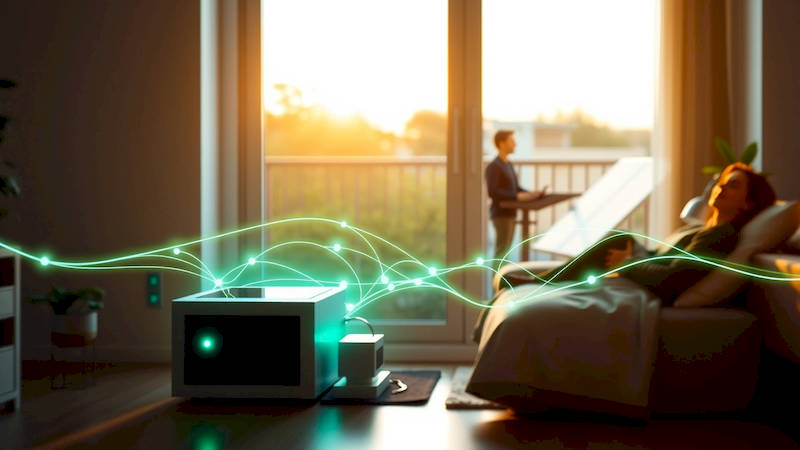
The pursuit of sustainable living and reduced energy costs has propelled smart home technology to the forefront of modern homeownership. No longer limited to convenience features like remote lighting control, smart home systems are increasingly focused on sophisticated energy management. This isn’t simply about turning things off when you’re not home; it’s about predicting energy needs, optimizing consumption patterns, and integrating seamlessly with the wider energy grid. As concerns about climate change intensify and energy prices fluctuate, the demand for intelligent energy solutions within the home will only accelerate, pushing the boundaries of current technologies and paving the way for groundbreaking innovations.
This growing emphasis on energy efficiency is driven by both environmental responsibility and economic advantage. Homeowners are looking for ways to minimize their carbon footprint while also reducing their monthly utility bills. Simultaneously, utility companies are recognizing the potential of a distributed network of smart homes to enhance grid stability and reduce peak demand. This symbiotic relationship is fueling a surge in investment and development within the smart home energy management sector, promising a future where homes are not just consumers of energy, but active participants in a sustainable energy ecosystem.
The current landscape, dominated by smart thermostats and smart plugs, is merely a prelude to the transformative changes on the horizon. Over the next decade, we’ll see a convergence of artificial intelligence, machine learning, advanced sensor technology, and innovative energy storage solutions radically reshaping how we power and manage our homes. This article will delve into the key future trends in smart home energy management technologies, exploring the underlying principles, potential benefits, and practical implications for homeowners and the energy industry alike.
- The Rise of AI-Powered Energy Optimization
- Integrating Distributed Energy Resources (DERs)
- Proactive Grid Interaction and Demand Response
- The Evolution of Smart Metering Technology
- The Convergence of Home Energy Management and Electrification
- Predictive Maintenance through Energy Usage Analysis
- Conclusion: Towards an Energy-Intelligent Future
The Rise of AI-Powered Energy Optimization
Artificial intelligence (AI) and machine learning (ML) are poised to become the central nervous system of future smart home energy management systems. The days of simple rule-based automation (“turn off lights at 10 PM”) are quickly fading. AI allows systems to learn from vast datasets – encompassing historical energy usage, weather patterns, occupancy schedules, and even real-time energy pricing – to make incredibly precise predictions and optimize energy consumption with minimal user intervention. This goes beyond simply reacting to conditions; it anticipates them.
Imagine a system that learns your family’s daily routines, predicts when you’ll need heating or cooling, and proactively adjusts the temperature to maximize comfort while minimizing energy waste. AI algorithms can analyze individual appliance energy signatures, identify inefficient devices, and recommend upgrades or behavioral changes. Furthermore, AI facilitates dynamic load shifting; strategically moving energy consumption to off-peak hours when electricity rates are lower - a substantial cost saver for homeowners. Companies like Google with their Nest Learning Thermostat are already employing rudimentary forms of AI, but future systems will be exponentially more sophisticated.
However, the implementation of AI also introduces challenges. Data privacy concerns are paramount, as these systems rely on collecting and analyzing granular data about household behavior. Ensuring data security and transparency will be critical for building consumer trust. Another hurdle is achieving true interoperability between different AI-powered devices and platforms. A fragmented ecosystem could limit the full potential of AI-driven energy optimization.
Integrating Distributed Energy Resources (DERs)
The future of home energy isn't just about reducing consumption; it’s about generating and storing energy locally. Distributed Energy Resources (DERs) – including solar panels, wind turbines, battery storage systems, and even micro-CHP (Combined Heat and Power) units – are becoming increasingly prevalent in residential settings. Smart home energy management systems will play a crucial role in seamlessly integrating these DERs into the home energy ecosystem and optimizing their performance.
These systems won't simply monitor the energy generated by solar panels; they will dynamically manage energy flow based on real-time conditions. For example, excess solar energy can be automatically diverted to charge a battery storage system, which can then be used to power the home during peak demand or grid outages. Similarly, smart inverters will enable bidirectional energy flow, allowing homeowners to sell excess energy back to the grid (known as "virtual power plants"). This requires sophisticated energy management software that can coordinate the operation of multiple DERs and respond to grid signals in real-time.
Furthermore, advancements in battery technology – particularly solid-state batteries with higher energy density and improved safety – will make home energy storage more affordable and accessible. The combination of DERs and intelligent energy management has the potential to dramatically reduce reliance on traditional fossil fuel-based power plants and create a more resilient and decentralized energy grid.
Proactive Grid Interaction and Demand Response
Currently, the relationship between homes and the energy grid is largely one-way: homes consume electricity supplied by the grid. But the future points towards a more interactive and collaborative relationship, where homes actively participate in grid management through demand response programs and virtual power plants. Smart home energy management systems will be the key enabler of this paradigm shift.
Demand response programs incentivize homeowners to reduce their energy consumption during peak demand periods – typically hot summer afternoons when the grid is strained. Smart home systems can automate this response by automatically adjusting thermostats, dimming lights, or temporarily shifting the operation of energy-intensive appliances. Furthermore, virtual power plants (VPPs) aggregate the collective energy resources of many homes (including solar panels, battery storage, and controllable loads) to provide grid services, such as frequency regulation and capacity support. According to a recent report by the Brattle Group, VPPs could potentially provide up to 20% of peak electricity demand by 2030.
Participating in these programs requires sophisticated communication and control infrastructure, enabling seamless interaction between the home energy management system and the utility grid. Blockchain technology is also being explored as a secure and transparent platform for managing energy transactions within VPPs.
The Evolution of Smart Metering Technology
While smart meters are already being deployed in many areas, the current generation of smart meters represents only a first step. Future smart metering technology will be far more advanced, providing homeowners with real-time, granular data about their energy consumption – not just total kWh used, but also the breakdown of energy usage by appliance and circuit. This level of detail will empower homeowners to make informed decisions about their energy habits and identify opportunities for improvement.
Beyond simply measuring consumption, future smart meters will incorporate advanced sensors and analytics to detect anomalies, such as energy waste or equipment malfunctions. They will also be capable of communicating directly with smart home devices, enabling automated demand response and customized energy pricing plans. Furthermore, the integration of quantum computing could accelerate data analysis and improve the accuracy of energy forecasting.
However, ensuring the security and privacy of smart meter data is a critical concern. Robust cybersecurity measures are necessary to protect against hacking and unauthorized access. Furthermore, clear regulations are needed to govern the collection, use, and sharing of smart meter data.
The Convergence of Home Energy Management and Electrification
The shift towards electrification—replacing fossil fuel-based appliances with electric alternatives (e.g., heat pumps, electric vehicles, induction cooktops)—is gaining momentum as a key strategy for decarbonizing the residential sector. Smart home energy management systems will be essential for optimizing the integration of these electric appliances and ensuring that the grid can handle the increased demand.
Effectively managing the charging of electric vehicles (EVs), for instance, will be crucial. Smart charging systems can schedule EV charging during off-peak hours, leveraging time-of-use tariffs to minimize energy costs and reduce strain on the grid. Similarly, smart control of heat pumps can optimize heating and cooling performance based on weather conditions and occupancy patterns. The integration of vehicle-to-grid (V2G) technology – allowing EVs to feed energy back to the grid during peak demand – will further enhance grid stability. This requires advanced energy management software that can coordinate the operation of multiple electric appliances and optimize energy flow across the entire home.
Predictive Maintenance through Energy Usage Analysis
Beyond just optimizing consumption, smart home energy management systems will increasingly focus on preventive maintenance. By continuously monitoring the energy usage patterns of individual appliances, these systems can detect subtle anomalies that may indicate an impending failure. A refrigerator consuming slightly more energy than usual, for example, might be signaling a failing compressor.
This predictive maintenance capability can save homeowners money by preventing costly repairs and extending the lifespan of their appliances. Furthermore, it can reduce energy waste by identifying and addressing inefficiencies before they escalate. This relies on sophisticated machine learning algorithms that can learn the normal energy signature of each appliance and flag any deviations. This information can be relayed automatically to the homeowner or to a qualified technician, enabling proactive maintenance and avoiding unexpected breakdowns.
Conclusion: Towards an Energy-Intelligent Future
The future of smart home energy management is incredibly promising. We are moving beyond simple automation towards a world where homes are intelligent, self-optimizing energy hubs – actively contributing to a sustainable and resilient energy grid. The integration of AI, DERs, advanced metering technology, and the ongoing electrification trend will fundamentally transform how we generate, distribute, and consume energy.
Key takeaways include the necessity of prioritizing data privacy and security, ensuring interoperability between devices, and embracing a proactive approach to grid interaction. For homeowners, investing in a comprehensive smart home energy management system is no longer just a matter of convenience; it’s a strategic investment in long-term cost savings, environmental responsibility, and a more secure energy future. By embracing these emerging technologies, we can pave the way for a truly energy-intelligent home and a more sustainable world. The first steps involve assessing your current energy usage, researching compatible smart home devices, and consulting with energy professionals to create a personalized energy management plan.
Deja una respuesta