
Monitoring Kids and Pets with Smart Home Surveillance Systems
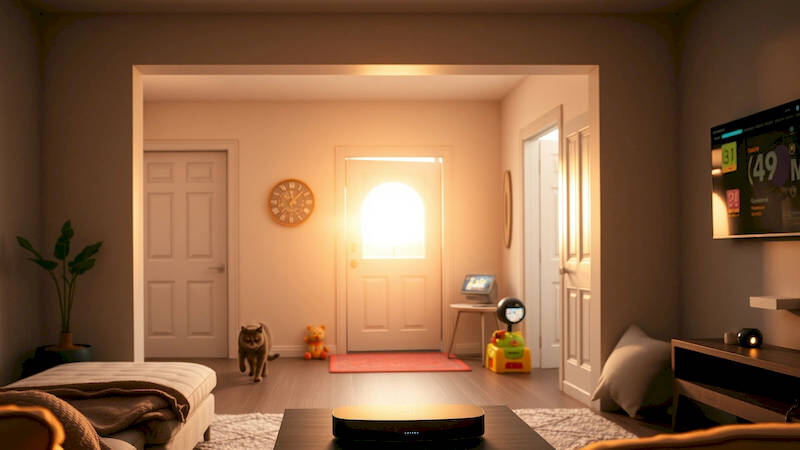
In today’s increasingly busy world, parents and pet owners often find themselves juggling work, social commitments, and the constant worry about the safety and well-being of those they love most. Traditionally, this concern was largely addressed through trusted neighbors, babysitters, or relying on word-of-mouth. However, the rise of smart home technology, specifically sophisticated surveillance systems, has offered a powerful new tool for remote monitoring. These systems transcend simple security; they provide a window into the daily lives of children and furry companions, providing reassurance and allowing for swift action when needed. This isn’t about replacing personal connection, but rather augmenting it with technology that offers continuous observation and enhances peace of mind.
The benefits extend beyond preventing potential emergencies. Smart surveillance can offer valuable insights into a child's development, allowing parents to observe interactions during playtime, or even identify potential behavioural patterns. For pets, it can help pinpoint anxieties like separation anxiety or identify health concerns based on activity levels. The market is burgeoning with options, from simple Wi-Fi cameras to comprehensive systems with advanced AI capabilities. Choosing the right setup requires careful consideration of needs, budget, and privacy concerns, a complex landscape this article will navigate in depth.
- Understanding Your Needs: Assessing Risks and Defining Monitoring Goals
- Choosing the Right Camera Types: Indoor, Outdoor and Specialized Options
- Privacy Considerations: Protecting Your Family and Respecting Boundaries
- Setting Up and Optimizing Your System: Placement, Connectivity and Configuration
- Beyond the Camera: Integrating Surveillance with Other Smart Home Devices
- Conclusion: Empowering Peace of Mind Through Smart Surveillance
Understanding Your Needs: Assessing Risks and Defining Monitoring Goals
Before diving into the technical specifications of various systems, it’s crucial to honestly assess your specific needs and risks. This preliminary step is often overlooked, leading to unnecessary expenditure or, conversely, inadequate protection. Start by identifying what you want to monitor. Are you primarily concerned about checking in on a toddler while at work? Ensuring a young child completes homework without adult supervision? Keeping an eye on a pet prone to destructive behaviour when left alone? Or are you seeking a broad overview of activity within your home? The answer dictates the types of cameras, features, and placement that will be most effective.
Consider the age and maturity level of your children. Older children may resent constant surveillance, so a balance between monitoring and respecting their privacy is key. Open communication and establishing clear expectations regarding camera usage are vital. For pets, think about their habits and potential hazards - a curious cat climbing on high furniture, a dog with a history of escaping, or simply wanting to ensure they are comfortable while you're away. This assessment should also include a realistic evaluation of your home’s layout. Large homes with multiple floors will require more cameras than a compact apartment. Finally, factor in your local climate – outdoor cameras need to be weather-resistant.
This initial self-assessment will help narrow down the overwhelming choices. For example, if your primary concern is a young child's safety, cameras with two-way audio and pan/tilt/zoom capabilities are essential. If it's pet activity, a wide-angle lens and night vision are priorities. Don’t underestimate the power of writing down these needs as a checklist – it provides a clear framework for your research.
Choosing the Right Camera Types: Indoor, Outdoor and Specialized Options
The smart home security camera market offers a diverse array of options, each with its own strengths and weaknesses. Indoor cameras, often Wi-Fi enabled and relatively inexpensive, are ideal for monitoring nurseries, playrooms, or areas where children or pets spend significant time. Look for features like high-resolution video (1080p or higher is recommended), night vision, motion detection, and two-way audio. Pan and tilt functionality allows you to remotely adjust the camera’s view, providing a wider coverage area. Many modern indoor cameras also offer privacy shutters for added peace of mind when you’re home.
Outdoor cameras, designed to withstand the elements, are critical for monitoring your property and ensuring your children and pets are safe in the yard. These cameras typically require more robust weatherproofing (look for an IP65 rating or higher) and may rely on Wi-Fi or a dedicated base station for connectivity. Features like person detection (which can distinguish between people, animals, and vehicles) can reduce false alarms. Some outdoor cameras even integrate with smart lighting systems for added security. Importantly, be aware of local laws and regulations regarding surveillance, particularly regarding recording audio and video outside your property.
Beyond these standard options, specialized cameras cater to specific needs. Baby monitors often include features like temperature sensors, lullaby players, and even breathing movement monitoring. Pet cameras, like the Furbo Dog Camera, often include treat-dispensing capabilities, allowing you to remotely interact with your furry friend.
Privacy Considerations: Protecting Your Family and Respecting Boundaries
While smart surveillance offers numerous benefits, it’s crucial to address the potential privacy implications. A 2019 report by the Pew Research Center found that 83% of US adults are concerned about the security of their personal data. These concerns are even more acute when it comes to monitoring children. It's not just about external threats like hacking; it's also about the internal impact on family dynamics.
Establish clear rules for camera usage. Designate specific areas as “off-limits” for monitoring, such as bedrooms or bathrooms. Be transparent with your children about the fact that cameras are in use and explain why. Avoid using cameras to secretly monitor their activities, as this can erode trust. Regularly review the camera’s settings and ensure the privacy features are enabled. Change default passwords and enable two-factor authentication to protect against unauthorized access.
Furthermore, be mindful of data storage and encryption. Choose systems that offer end-to-end encryption, meaning your video is encrypted both during transmission and while stored on the cloud. Consider local storage options (like an SD card) instead of solely relying on cloud storage. Regularly update the camera’s firmware to patch security vulnerabilities. You shouldn't overlook understanding the provider’s data usage policies – how long footage is retained and how it’s used.
Setting Up and Optimizing Your System: Placement, Connectivity and Configuration
Effective surveillance isn’t simply about buying cameras; it’s about strategic placement and proper configuration. Optimal camera positioning is crucial for maximizing coverage and minimizing blind spots. Indoors, place cameras in areas where children or pets spend the most time, but avoid placing them directly in front of windows, which can cause glare. Ensure the camera has a clear line of sight and is not obstructed by furniture or other objects.
Outdoor cameras should be mounted high enough to be out of reach, but low enough to capture detailed footage. Consider the lighting conditions – avoid pointing cameras directly into the sun, which can wash out the image. Ensure you have a strong and stable Wi-Fi signal in the areas where you’re placing the cameras. A weak Wi-Fi signal can result in dropped connections and unreliable video quality. Consider using a Wi-Fi extender to boost the signal if necessary.
Configuring the camera’s settings is equally important. Adjust the motion detection sensitivity to avoid false alarms triggered by pets or passing cars. Set up activity zones to focus on specific areas of interest. Enable two-way audio if you want to communicate remotely. Explore the camera’s app and familiarize yourself with all of its features and settings.
Beyond the Camera: Integrating Surveillance with Other Smart Home Devices
The true power of smart surveillance isn’t realized in isolation, but through integration with other smart home devices. For instance, linking your cameras to a smart lighting system allows you to automatically turn on lights when motion is detected, deterring potential intruders. Integrating with a smart door lock allows you to remotely unlock the door for a trusted caregiver or monitor who enters and exits your home.
Smart displays, like the Amazon Echo Show or Google Nest Hub, can display live camera feeds, providing a convenient way to check in on your children or pets. If you have a smart speaker, you can use voice commands to view live footage or trigger recordings. Consider using IFTTT (If This Then That) applets to create custom automations. For example, you could create an applet that sends you a text message when motion is detected by the camera after a certain hour.
Furthermore, some advanced systems use artificial intelligence (AI) to go beyond simple motion detection. AI-powered cameras can identify specific objects or people, send targeted alerts, and even learn your family’s routines. This level of intelligence can significantly enhance the effectiveness of your surveillance system. However, remember that AI systems require significant processing power and may incur additional subscription fees.
Conclusion: Empowering Peace of Mind Through Smart Surveillance
Monitoring kids and pets with smart home surveillance systems offers a significant sense of security and peace of mind in today’s busy world. However, successful implementation requires a thoughtful approach that considers individual needs, privacy concerns, and the integration of various smart home technologies. The key takeaways are to first clearly define your monitoring goals, choose the right camera types for your specific needs, prioritize privacy through responsible setup and configuration, and integrate your surveillance system with other smart home devices to maximize its potential.
Don’t fall into the trap of simply buying the most expensive system. A well-planned, appropriately configured, and responsibly used system, even at a lower price point, will provide far more benefit than a feature-rich system that’s poorly implemented. Take the time to research, experiment, and tailor your setup to your unique circumstances. The goal isn’t just surveillance; it’s about empowering you with the information you need to keep your loved ones safe, happy, and healthy, both inside and outside your home. Finally, remember that technology is a tool, not a replacement for genuine connection and engagement with your family.
Deja una respuesta