
Scheduling Smart Lights to Mimic Natural Daylight and Improve Sleep
The modern world keeps us increasingly disconnected from natural light cycles. We spend more time indoors under artificial illumination, and even when we’re home, we often rely on harsh, blue-toned lighting. This disruption of our circadian rhythms – the internal clock governing sleep-wake cycles – has a detrimental effect on our physical and mental wellbeing. Fortunately, smart lighting systems offer a powerful solution. By strategically scheduling smart lights to mimic the natural progression of daylight throughout the day, we can not only create a more comfortable and inviting home environment but also significantly improve sleep quality, boost mood, and enhance overall health. This article delves into the science behind this approach, provides practical guidance on implementation, and explores the best strategies for harnessing the power of smart lighting for a more balanced and restorative lifestyle.
The benefits extend beyond just sleep. Proper light exposure influences hormone production (like melatonin and cortisol), regulates body temperature, and even impacts cognitive function. Ignoring these fundamental needs can lead to a host of issues, from insomnia and seasonal affective disorder (SAD) to reduced productivity and weakened immune systems. This isn't simply about aesthetics – it’s about actively working with our biology, rather than against it. Investing in a well-planned smart lighting schedule is investing in your holistic wellbeing. This is particularly crucial for those living in regions with limited sunlight exposure, or those working predominantly indoors.
This article will guide you through everything you need to know, from understanding the science of circadian rhythms to building custom schedules tailored to your individual needs and preferences. We’ll explore the capabilities of different smart lighting platforms, discuss best practices for color temperature and brightness control, and offer troubleshooting tips to ensure a smooth transition to a more naturally lit home. Ultimately, the goal is to empower you to take control of your light environment and unlock the profound benefits of living in sync with the sun.
- Understanding the Circadian Rhythm & The Impact of Light
- Creating a Dynamic Lighting Schedule: A Day in the Life
- Choosing the Right Smart Lighting System and Bulbs
- Leveraging Smart Lighting Features: Automation and Geofencing
- Troubleshooting Common Issues and Optimizing Performance
- Beyond Sleep: The Broader Wellbeing Benefits
- Conclusion: Embracing the Power of Light for a Better Life
Understanding the Circadian Rhythm & The Impact of Light
Our circadian rhythm, a roughly 24-hour internal clock, regulates a vast array of physiological processes. While genetics play a role, light is the primary external cue – often called a “zeitgeber” – that synchronizes this rhythm. Specialized cells in our eyes, called intrinsically photosensitive retinal ganglion cells (ipRGCs), are particularly sensitive to blue light, and signal to the brain’s suprachiasmatic nucleus (SCN), the master clock. Exposure to blue-rich light suppresses melatonin production, promoting alertness and wakefulness. Conversely, the absence of light, or exposure to warmer, redder tones, signals the brain to release melatonin, preparing the body for sleep. Disruptions to this carefully balanced system can contribute to a wide range of health problems.
The pervasive use of artificial light, especially in the evening, represents a significant disruption. The blue light emitted from screens – smartphones, tablets, computers – mimics daylight, tricking the brain into thinking it’s still daytime. This inhibits melatonin production, making it harder to fall asleep and reducing the restorative quality of sleep. According to a study published in the Journal of Clinical Endocrinology & Metabolism, even brief exposure to blue light before bedtime can significantly delay melatonin onset and reduce sleep duration. Prolonged circadian disruption is linked to increased risks of obesity, diabetes, cardiovascular disease, and even certain types of cancer.
Therefore, recreating a natural daylight cycle indoors is about more than just convenience; it’s about actively mitigating these negative effects. By strategically adjusting light color and intensity throughout the day, and minimizing blue light exposure in the evening, you can reinforce your natural circadian rhythm and promote better sleep, improved mood, and enhanced overall health.
Creating a Dynamic Lighting Schedule: A Day in the Life
A successful smart lighting schedule isn't about setting a single "sleep mode". It’s about mimicking the gradual shifts in daylight throughout the day, optimizing light exposure for different activities and times. Imagine a natural sunrise: light slowly increases in intensity and gradually shifts from warmer hues to cooler, brighter tones. We should aim to replicate this pattern with our smart lights.
Begin your day with a gentle wake-up simulation. Instead of being jolted awake by a harsh alarm, program your bedroom lights to gradually increase in brightness over 15-30 minutes, starting with a warm, amber tone and slowly transitioning to a cooler, whiter light. This mimics the sunrise and gently suppresses melatonin, preparing you for wakefulness. During the day, maintain bright, cool-toned light in areas where you work or engage in activities requiring focus. This boosts alertness and improves cognitive performance. As the afternoon progresses, begin a gradual transition back to warmer tones, signaling the brain that the day is winding down.
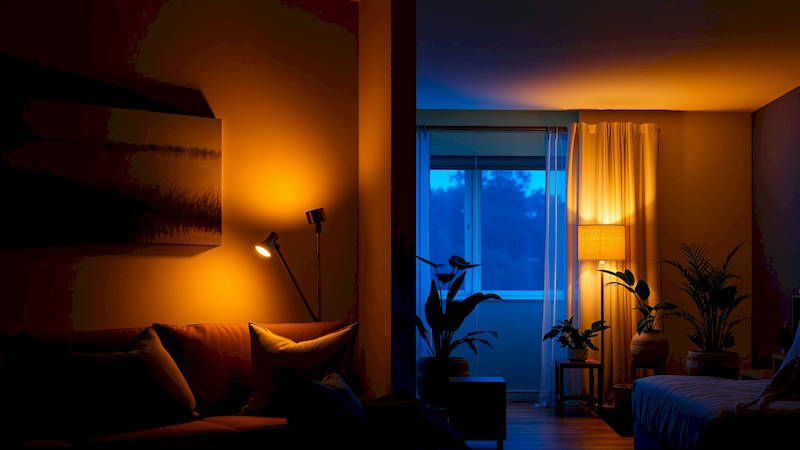
By evening, significantly reduce blue light exposure. Dim the lights and switch to warmer, amber shades. A "golden hour" simulation – mimicking the warm, reddish hues of sunset – can be particularly effective. In the hour or two before bed, use very dim, amber-toned lights to signal the brain to start producing melatonin. Remember, the key is gradual transition. Sudden shifts in light can be disruptive, so a smooth and consistent schedule is crucial.
Choosing the Right Smart Lighting System and Bulbs
The smart lighting market is flooded with options, making the selection process potentially overwhelming. First and foremost, choose a system that is compatible with your existing smart home ecosystem (Amazon Alexa, Google Assistant, Apple HomeKit). Compatibility ensures seamless integration and voice control. Popular options include Philips Hue, LIFX, and Nanoleaf, each with their own strengths and weaknesses. Philips Hue is known for its reliability and wide range of accessories, while LIFX offers brighter, more vibrant colors without requiring a hub. Nanoleaf specializes in modular, customizable lighting panels.
When selecting bulbs, prioritize those that offer a wide range of color temperatures (measured in Kelvin – K). Look for bulbs that can go from a warm 2700K (similar to incandescent light) to a cool 6500K (similar to daylight). The ability to adjust brightness is also critical. Choose bulbs with dimming capabilities that allow for precise control over light intensity. Furthermore, consider the bulb type (A19, BR30, etc.) to ensure compatibility with your existing fixtures. LED bulbs are the most energy-efficient option and have a long lifespan, making them a cost-effective choice in the long run.
Don't underestimate the importance of a smart hub (if required by the system). A hub acts as the central control point for your smart lights, enabling complex scheduling and automation. It also offloads processing from the bulbs themselves, improving performance and reliability.
Leveraging Smart Lighting Features: Automation and Geofencing
Most smart lighting systems offer advanced features beyond basic scheduling, enabling even more sophisticated control over your light environment. Automation routines allow you to trigger lighting changes based on specific events. For example, you could set a routine to automatically turn on hallway lights when motion is detected at night, or to dim the living room lights when you start playing a movie.
Geofencing is another powerful feature that uses your smartphone’s location to trigger lighting changes. You can set a geofence around your home, for example, and program your lights to turn on automatically when you approach, welcoming you home with a warm glow. Conversely, the lights can turn off when you leave, saving energy. Combining geofencing with scheduling can create truly seamless and personalized lighting experiences.
Many systems also offer "scenes" which are pre-programmed lighting configurations tailored to specific activities. You could create a "Reading" scene with warm, dim light, a "Cooking" scene with bright, focused illumination, or a "Relaxation" scene with soft, ambient lighting. By leveraging these features, you can create a truly dynamic and responsive lighting environment that adapts to your needs and preferences.
Troubleshooting Common Issues and Optimizing Performance
While smart lighting systems are generally reliable, occasional issues can arise. One common problem is connectivity issues – bulbs dropping offline or failing to respond to commands. Ensure your Wi-Fi network is strong and stable, and consider moving your smart hub closer to the bulbs if necessary. Interference from other devices can also cause problems, so try repositioning the hub or bulbs.
Another issue can be schedule inaccuracies or delayed responses. Double-check your schedule settings and ensure they are correctly configured. Some systems may have limitations in scheduling granularity (e.g., only allowing for changes at 15-minute intervals), which can affect accuracy. Regularly update the firmware on your smart hub and bulbs to ensure optimal performance and access to the latest features.
Finally, remember to experiment. Finding the perfect lighting schedule is a process of trial and error. Pay attention to how different color temperatures and brightness levels affect your mood, energy levels, and sleep quality, and adjust your schedule accordingly.
Beyond Sleep: The Broader Wellbeing Benefits
The benefits of a well-designed smart lighting schedule extend far beyond just improving sleep. By mimicking natural daylight, you can combat Seasonal Affective Disorder (SAD), a type of depression linked to reduced sunlight exposure. Bright light therapy, often used to treat SAD, can be effectively replicated with strategically programmed smart lights.
Furthermore, a dynamic lighting schedule can boost productivity and cognitive function. As mentioned earlier, cooler, brighter light enhances alertness and focus, making it ideal for work or study. Creating a dedicated “work” scene with optimized lighting can significantly improve your performance. Increased exposure to natural-like light can also positively impact mood and reduce feelings of anxiety and stress. According to researchers at the University of Oregon, light therapy can be as effective as taking antidepressants for some individuals.
Ultimately, investing in smart lighting is an investment in your overall wellbeing. It's a proactive step towards creating a healthier, more comfortable, and more productive home environment.
Conclusion: Embracing the Power of Light for a Better Life
Scheduling smart lights to mimic natural daylight is a remarkably effective way to optimize your wellbeing and enhance your quality of life. By understanding the science of circadian rhythms and leveraging the capabilities of modern smart lighting technology, you can create a home environment that supports your natural biological processes, promoting better sleep, improved mood, and enhanced cognitive function. The key takeaways are to prioritize gradual transitions in color temperature and brightness, minimize blue light exposure in the evening, and tailor your schedule to your individual needs and preferences.
Don't be afraid to experiment and fine-tune your settings. Start with small adjustments and monitor how they affect your sleep and energy levels. Explore the advanced features of your smart lighting system, such as automation and geofencing, to create a truly personalized and responsive lighting experience. Finally, remember that the goal isn't just to automate your lights; it's to reconnect with the natural rhythms of the sun and create a home that truly supports your health and wellbeing. Take the first step today towards a brighter, more balanced, and more restorative lifestyle.
Deja una respuesta