
Step-by-Step Guide to Installing Smart Fall Detection Systems
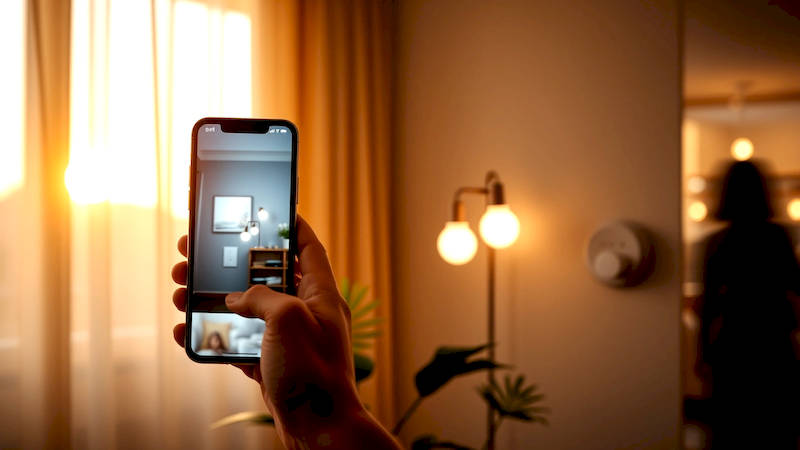
Falls are a leading cause of injury and death for older adults. According to the CDC, more than one out of four older people falls each year, and falls account for over 3 million emergency room visits. Beyond the immediate physical trauma, falls can lead to a loss of independence and a significant decline in quality of life. However, advancements in smart home technology offer a powerful solution: smart fall detection systems. These systems provide peace of mind for both seniors and their families, offering a potential lifeline in a crisis. This guide will provide a comprehensive, step-by-step walkthrough of selecting, installing, and utilizing these vital safety tools, addressing the complexities and nuances of creating a secure environment for aging loved ones. The hope is that this information will bridge the gap between technological advancement and practical application, delivering accessible safety to those who need it most.
This isn't merely about installing a gadget; it’s about empowering seniors to maintain their independence within a safeguarding net. Smart fall detection systems are evolving beyond simple alert mechanisms. Modern systems incorporate machine learning, environmental sensors, and even voice activation to provide a layered approach to safety. Understanding the nuances of these layers, assessing individual needs, and choosing the right solution are critical components of a successful implementation. This guide will not only detail the 'how-to' of installation but also delve into the 'why' and the 'what-if,' ensuring a well-informed and effective implementation.
- Understanding the Landscape of Fall Detection Technology
- Assessing Your Home and Needs: A Pre-Installation Checklist
- Step-by-Step Installation of a Wearable Fall Detection Device
- Installing an Ambient Sensor Fall Detection System: A More Involved Process
- Configuring Emergency Contacts and Response Protocols
- Maintaining and Troubleshooting Your System
- Conclusion: Empowering Independence with Smart Technology
Understanding the Landscape of Fall Detection Technology
Smart fall detection systems aren’t one-size-fits-all. The technologies employed vary significantly, impacting accuracy, reliability, and user experience. Predominantly, systems fall into three main categories: wearable devices, ambient sensor systems, and camera-based systems. Wearable devices, such as smartwatches or pendants, utilize accelerometers and gyroscopes to detect sudden changes in motion indicative of a fall. Ambient sensor systems, conversely, use strategically placed sensors throughout the home to monitor movement and identify anomalies. Lastly, camera-based systems use video analytics to visually assess falls, offering higher accuracy but raising privacy concerns. It's crucial to understand the pros and cons of each.
Wearable devices offer portability and the ability to detect falls both inside and outside the home. However, user compliance is a major factor – the device must be worn consistently for it to function. Ambient sensor systems often require professional installation and may struggle with accurate detection in larger homes or those with complex layouts. Camera-based systems offer the most potential for accurate detection, but require careful consideration of privacy concerns and the potential for false alarms. A 2021 study by the Journal of Geriatric Nursing found that while wearable devices showed a high sensitivity (detecting most falls), they also produced a significant number of false alarms, highlighting the need for sophisticated algorithms and personalized calibration.
The best choice depends heavily on the individual's lifestyle, health conditions, and comfort level with technology. Someone who is highly active and travels frequently might benefit from a wearable device, while someone who is less mobile and prefers a passive system might prefer an ambient sensor setup. It’s also worth noting that hybrid systems, combining multiple technologies, are becoming increasingly popular, offering a balance of accuracy, reliability, and user comfort. Careful consideration of these factors will ensure a system effectively addresses the specific needs of the user.
Assessing Your Home and Needs: A Pre-Installation Checklist
Before purchasing or installing any system, a thorough assessment of the home and the individual’s needs is paramount. This includes identifying potential fall hazards – loose rugs, poor lighting, cluttered walkways – and addressing them. Beyond physical hazards, consider the individual’s medical history, cognitive abilities, and technical proficiency. Does the individual have a history of falls? Are they prone to dizziness or balance issues? Can they easily operate a smartphone or other connected device? These factors will all influence the type of system chosen and the level of support required.
Furthermore, evaluate the home's layout and Wi-Fi infrastructure. Ambient sensor systems require a stable and reliable Wi-Fi network. The size of the home and the presence of walls or other obstructions can impact the range and effectiveness of these systems. Camera-based systems require adequate lighting and a clear field of view. The installation process should also be considered. Some systems are self-installable, while others require professional installation. This can add to the overall cost and complexity of the project. It’s also prudent to identify a network of contacts for emergency response, establishing clear communication protocols and ensuring the system is integrated with local emergency services.
Finally, consider the user’s privacy preferences. If opting for a camera-based system, discuss potential privacy concerns with the individual and implement appropriate safeguards, such as disabling recording when not necessary, ensuring data encryption, and limiting access to video footage. A transparent approach fosters trust and encourages user acceptance.
Step-by-Step Installation of a Wearable Fall Detection Device
Let's focus on installing a wearable fall detection device, as it’s a common and relatively straightforward option. First, unbox the device and fully charge it according to the manufacturer's instructions. Download the corresponding mobile app and create an account. Most apps will require you to enter emergency contact information and medical details. This information is crucial for providing responders with valuable context during an emergency. Next, pair the device with your smartphone via Bluetooth. Follow the app's instructions for the pairing process, which typically involves pressing a button on the device.
Once paired, take the time to calibrate the device. Many systems allow you to customize sensitivity settings based on the user’s activity level and fall risk. Begin by wearing the device during your normal daily activities for a few days to allow the system to learn your movement patterns. This will help reduce the risk of false alarms. Then, during the calibration process, you might be asked to perform a series of movements, such as walking, sitting, and standing, to help the device learn your baseline. Finally, test the device thoroughly. Simulate a fall (safely!) to ensure the device can accurately detect it and send an alert to your emergency contacts. Ensure your contacts are aware they've been designated and understand the procedure for responding to an alert.
Installing an Ambient Sensor Fall Detection System: A More Involved Process
Ambient sensor systems are more complex to install and usually benefit from professional assistance. The first step is to map the areas of the home where fall detection is desired – typically bedrooms, bathrooms, and living rooms. The number and placement of sensors depend on the size of the room and the layout. Sensors generally need to be placed strategically to provide optimal coverage, avoiding obstructions like furniture and curtains. Securely mount each sensor according to the manufacturer’s instructions, ensuring they are properly aligned and connected to the base station.
Next, connect the base station to your home's Wi-Fi network. This usually involves entering your Wi-Fi password into the system's configuration panel. Most systems provide a mobile app or web interface for managing alerts and customizing settings. Once connected, configure the system to recognize the individual’s movement patterns. This may involve a learning period where the system observes the individual’s daily routines. Regularly test the system to ensure it's functioning correctly, and update the firmware and software to benefit from the latest improvements and security patches. It's crucial to understand that ambient sensors are better at detecting a change in pattern rather than a fall directly, meaning regular activity patterns are detected to identify anomalies.
Configuring Emergency Contacts and Response Protocols
Regardless of the system chosen, properly configuring emergency contacts and establishing clear response protocols is vital. Within the system's app or web interface, add multiple emergency contacts. Consider including family members, friends, neighbors, or professional caregivers. Most systems allow you to specify the order in which contacts are notified, ensuring the most appropriate person is contacted first. Ensure emergency contacts understand their responsibility and are available to respond to alerts promptly.
Develop a comprehensive response protocol. This should include steps for verifying the alert (to avoid false alarms), contacting emergency services if necessary, and providing details about the individual's medical history and current situation. It’s recommended to conduct practice drills with emergency contacts to familiarize them with the protocol. Consider integrating the system with professional monitoring services, which can provide 24/7 support and dispatch emergency responders directly. Note that these services come with a monthly fee but can offer significant peace of mind.
Maintaining and Troubleshooting Your System
Smart fall detection systems require ongoing maintenance to ensure optimal performance. Regularly check the device’s battery level and charge it as needed. Clean the sensors and camera lenses to remove dust and debris. Update the system's software and firmware to benefit from the latest improvements and security patches. Monitor the system's performance and address any issues promptly.
Common troubleshooting steps include restarting the device, checking the Wi-Fi connection, and re-calibrating the system. Consult the manufacturer's documentation for more detailed troubleshooting guidance. If you are unable to resolve the issue, contact the manufacturer's support team for assistance. Periodically review the system’s settings to ensure they still meet the individual’s needs. As the individual’s health or lifestyle changes, you may need to adjust the sensitivity settings or add new emergency contacts.
Conclusion: Empowering Independence with Smart Technology
Smart fall detection systems represent a significant advancement in elderly care and accessibility solutions, offering a proactive approach to safety and independence. By carefully assessing needs, choosing the right technology, and following the outlined installation and maintenance steps, families can create a secure environment for their loved ones. Remember the choice isn't just about the technology but about empowering the individual to live more confidently and autonomously. While wearable devices provide portability and convenience, ambient sensor systems offer a more passive and discreet solution.
The key takeaways are the importance of customization, thorough testing, and clear communication. Regular system checks, updated software, and well-defined emergency protocols are critical for reliable operation. Ultimately, integrating smart fall detection systems isn't simply about preventing falls; it’s about preserving quality of life and providing peace of mind for both seniors and their families. Don't hesitate to consult with healthcare professionals or smart home technology experts to tailor a solution that best meets your unique needs. Taking these proactive steps can make a world of difference in supporting the health, safety, and independence of those you care for.
Deja una respuesta