
Top Smart Home Devices That Enhance Safety for Seniors Living Alone
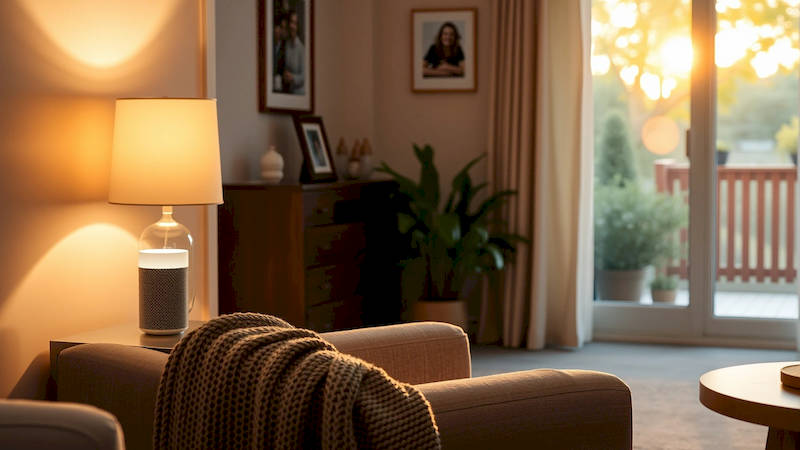
The desire to age in place – to remain in one’s own home for as long as possible – is a strong and increasingly common one among seniors. However, maintaining independence safely can be a growing concern for both the individual and their families. Falls are a leading cause of injury and death for older adults, and the ability to quickly summon help in an emergency is paramount. Fortunately, the burgeoning field of smart home technology offers a wealth of solutions designed specifically to address these concerns. These devices aren’t about replacing human care; instead, they’re about augmenting it, providing an added layer of security, peace of mind, and continued independence. This article will explore the best smart home devices available today, detailing how they work, and offering practical guidance on integration and usage for seniors living alone.
As the population ages, the need for accessible and supportive living environments becomes ever more critical. According to the National Council on Aging, roughly 90% of older adults want to age in place, but many face challenges related to physical limitations, chronic health conditions, and potential emergencies. Smart home technology empowers seniors to maintain their autonomy while providing a safety net for themselves and reassurance for their loved ones. It’s essential to move beyond the perception of these devices as simply “tech gadgets” and recognize their potential to significantly improve quality of life and extend independent living. Selecting the right technology requires careful consideration of the individual's needs, technical ability, and budget.
This article will focus on devices designed around proactivity - anticipating potential issues - and reactivity – responding effectively to emergencies. We'll look beyond the purely technological aspects and address the practicalities of implementation, including setup, user-friendliness, and integration with existing support networks. The aim is to equip readers with the knowledge to make informed decisions and create a smart home environment that truly enhances safety and independence for seniors.
- Smart Sensors for Fall Detection and Activity Monitoring
- Voice Assistants and Smart Speakers for Hands-Free Control
- Smart Lighting and Security Systems for Enhanced Visibility and Protection
- Medication Management Systems for Improved Adherence
- Remote Monitoring and Communication Tools for Family Connection
- Smart Locks and Door/Window Sensors for Security and Peace of Mind
- Conclusion: Empowering Independence Through Smart Technology
Smart Sensors for Fall Detection and Activity Monitoring
Fall detection is arguably the most important safety feature for seniors living alone. Traditional medical alert systems, while effective, rely on the individual remembering to press a button. Smart sensors, however, offer a more passive and comprehensive solution. Wearable fall detection devices, such as those from Apple Watch or specialized pendants, use accelerometers and gyroscopes to detect sudden impacts and changes in movement patterns that indicate a fall. Upon detection, the device automatically contacts pre-selected emergency contacts or emergency services. These devices often offer two-way communication, allowing the senior to speak directly with responders.
Beyond wearable devices, environmental sensors are increasingly popular. These sensors can be placed strategically around the home and utilize technologies like radar or infrared to detect falls, even without a wearable. They also excel at activity monitoring – learning the senior’s usual routines and alerting caregivers if deviations occur, such as prolonged inactivity, which could indicate a problem. Companies like Lively and Vayuse offer systems that combine both wearable and environmental sensors for a holistic approach. The power lies in the systems ability to build a baseline of normal activity and then flag anomalies.
It’s crucial to remember that these systems aren’t foolproof. False alarms can occur, particularly with wearable devices during vigorous activity or environmental sensors if pets are present. Therefore, proper calibration and training are essential. A key component to a successful implementation and acceptance for seniors is simplicity; minimize notifications and ensure the system's response isn't overwhelming or disruptive to daily life.
Voice Assistants and Smart Speakers for Hands-Free Control
Smart speakers like Amazon Echo and Google Home are more than just entertainment devices; they are increasingly powerful tools for enhancing safety and accessibility. For seniors who may have difficulty with physical dexterity or vision, voice control offers a hands-free way to manage various aspects of their home. They can use voice commands to make phone calls, send messages, set reminders, play music, control smart home devices (lights, thermostats, etc.), and even access emergency services.
The ability to simply say "Alexa, call for help" or “Hey Google, dial 911” can be life-saving in a pinch. Furthermore, these devices can be programmed with routines, such as automatically turning on lights at dusk or reminding the senior to take their medication. Integration with other smart home devices is seamless, allowing voice control over many advanced safety features like door/window sensors and smart locks. Many smart speakers can also provide medication reminders and emergency information.
However, privacy concerns are legitimate. Users should be educated about data collection practices and shown how to adjust privacy settings. Voice assistants can sometimes misinterpret commands, leading to frustration. Training is vital, and starting with simple commands before moving to more complex routines is recommended. Consider also selecting a device from a reputable manufacturer with a strong privacy record.
Smart Lighting and Security Systems for Enhanced Visibility and Protection
Adequate lighting is critical for preventing falls, especially at night. Smart lighting systems allow for automated control of lights, ensuring that pathways are well-lit and switches are easily accessible. Motion-activated lights can illuminate hallways and bathrooms when movement is detected, reducing the risk of trips and stumbles. These lights are especially important for seniors who may experience changes in vision or depth perception. Beyond safety, appropriate lighting can improve mood and reduce feelings of loneliness, contributing to overall well-being.
When combined with a smart security system, smart lighting can also provide an extra layer of protection against intruders. Smart security systems typically include door/window sensors, motion detectors, and security cameras. These systems can send alerts to the senior’s smartphone or to a monitoring center in the event of a breach, potentially deterring intruders or alerting authorities quickly. Video doorbells allow seniors to see and speak to visitors without having to open the door, increasing their awareness and safety. Systems like Ring and SimpliSafe offer professional monitoring services, providing 24/7 support and peace of mind.
The key is integration – connecting these systems so they work in concert. For example, if a door sensor is triggered, the lights can automatically turn on, and an alert can be sent to the senior and their caregivers. This creates a more robust and responsive safety network.
Medication Management Systems for Improved Adherence
Missing medication doses can have serious consequences for seniors, especially those with chronic health conditions. Smart medication dispensers help ensure that medications are taken on time and in the correct dosage. These dispensers can be programmed to automatically dispense medications at pre-set times and can send alerts to the senior or their caregivers if a dose is missed. Some advanced systems can even track medication adherence and provide reports to healthcare providers.
These systems range from simple, automated pill dispensers to more sophisticated options that connect to smartphones and provide remote monitoring capabilities. PillPack by Amazon Pharmacy is a well-known example, offering pre-sorted medication packs delivered directly to the senior’s door. For seniors who struggle with remembering to refill their prescriptions, the automated refill feature is invaluable. Proper setup and ongoing management is crucial to ensure accurate dosing and prevent errors. This often requires collaboration with a pharmacist.
It’s important to note that medication management systems are not intended to replace the advice of a healthcare professional. They should be used as a tool to support medication adherence and should be integrated into a comprehensive healthcare plan.
Remote Monitoring and Communication Tools for Family Connection
Perhaps one of the most impactful benefits of smart home technology is its ability to facilitate remote monitoring and communication, keeping families connected and informed. Smart cameras positioned strategically around the home (with respect for privacy) allow family members to check in on their loved ones remotely, providing reassurance and the ability to identify potential problems. Video calling devices, like the GrandPad, are designed specifically for seniors, featuring simplified interfaces and pre-programmed contacts.
These tools enable families to proactively support their loved ones, addressing concerns before they escalate into emergencies. Remote monitoring can also provide valuable insights into a senior's daily routines, helping caregivers identify changes in behavior that may indicate a decline in health. Furthermore, many smart home systems allow caregivers to remotely control certain devices, such as adjusting the thermostat or turning on lights.
Establishing clear communication protocols and respecting the senior’s privacy are crucial ethical considerations when implementing remote monitoring tools. Transparency is vital; the senior must understand what is being monitored, why, and how the information will be used.
Smart Locks and Door/Window Sensors for Security and Peace of Mind
Smart locks offer convenient and secure access control, allowing seniors to unlock their doors remotely for trusted caregivers or family members. This eliminates the need for fumbling with keys, which can be particularly challenging for those with arthritis or other mobility limitations. Many smart locks integrate with smart home systems, allowing the senior to control access via voice commands or smartphone apps.
Coupled with door and window sensors, smart locks create a comprehensive security system. These sensors provide alerts if a door or window is opened unexpectedly, potentially indicating an intrusion. Integration with a smart security system can also trigger an alarm and notify emergency services. For seniors who live alone, knowing that their home is secure can provide a significant peace of mind.
However, it's important to choose a smart lock that is reliable and easy to use. Battery life is a key consideration, as a dead battery can render the lock unusable. Proper installation and training are also essential. Backup keys should always be readily available in case of technical difficulties.
Conclusion: Empowering Independence Through Smart Technology
Smart home technology offers a powerful toolkit for enhancing safety and independence for seniors living alone. From fall detection and medication management to remote monitoring and enhanced security, these devices provide a layered approach to proactive care and reactive support. However, simply acquiring these devices isn’t enough. Successful implementation requires careful consideration of the individual’s needs, preferences, and technical abilities.
The key takeaways are: prioritize simplicity, focus on integration, and respect privacy. Start with a small number of devices and gradually expand the system as needed. Ensure adequate training and ongoing support for both the senior and their caregivers. By carefully selecting and implementing the right smart home solutions, we can empower seniors to maintain their independence, dignity, and quality of life for years to come. The next step is to assess the individual’s specific needs and consult with healthcare professionals or smart home specialists to develop a personalized safety plan.
Deja una respuesta