
Using Home Automation Controllers to Simplify Elderly or Disability Care
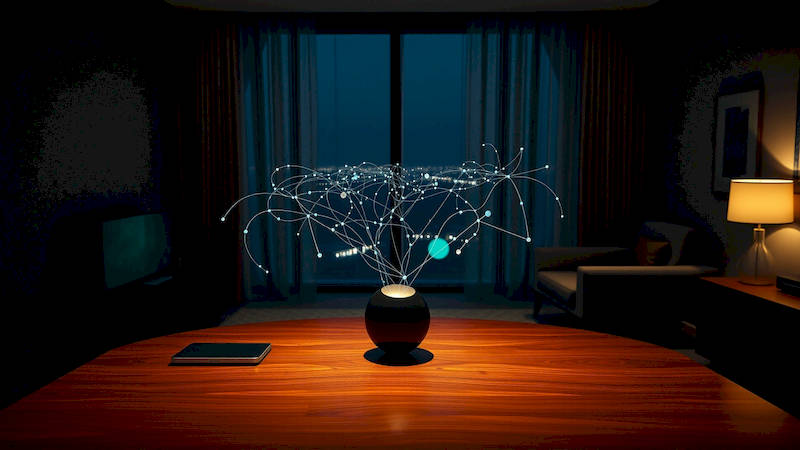
The aging population is growing rapidly, and with it, the need for innovative solutions to support independent living. Simultaneously, individuals with disabilities often face challenges in performing daily tasks. While traditional care models remain vital, home automation offers a powerful adjunct, potentially increasing safety, promoting independence, and reducing the burden on caregivers. Home automation controllers, the brains of the smart home, can be leveraged to create personalized environments tailored to the specific needs of vulnerable individuals, extending their capacity to live comfortably and safely in their own homes for longer. This isn't simply about convenience; it's about dignity, quality of life, and alleviating the pressures on an increasingly strained care system.
The potential of home automation in caregiving extends far beyond simply turning lights on and off remotely. It incorporates proactive safety measures – like fall detection and automated shut-off for appliances – with assistance for daily routines. This article will explore how home automation controllers can be strategically implemented to significantly improve the lives of those requiring care, and their caregivers, by focusing on practical applications, benefits, and important considerations for setup and maintenance. We'll break down the essential components, examine real-world examples, and discuss navigating the privacy concerns that are often raised in these sensitive contexts.
- Understanding the Role of the Home Automation Controller
- Enhancing Safety with Automated Monitoring and Alerts
- Simplifying Daily Routines with Automation
- Addressing Privacy and Security Concerns
- Caregiver Integration and Remote Access
- Beyond the Basics: Emerging Technologies & Future Trends
- Conclusion: A New Era of Independent Living
Understanding the Role of the Home Automation Controller
The home automation controller, often referred to as a hub, is the central processing unit of a smart home. It’s the device that allows different smart devices – lights, thermostats, locks, sensors – to communicate with each other and with you. Crucially, it allows for the creation of “scenes” and “routines” which are sequences of actions triggered by specific events or on a schedule. For elderly or disabled individuals, this means automating tasks that they might find difficult or dangerous, and creating a responsive environment that actively supports their wellbeing. Choosing the right controller is vital. Options like SmartThings, Hubitat Elevation, and Home Assistant (for the more tech-savvy) each have distinct advantages and disadvantages regarding compatibility, ease of use, and privacy features.
The key to effective integration isn’t just selecting a powerful controller, but understanding its protocols. Many devices use different communication methods – Z-Wave, Zigbee, Wi-Fi, and Bluetooth. A robust controller should support multiple protocols to maximize compatibility and avoid vendor lock-in. Consider future expansion needs too. A system deployed today to assist with mobility might later benefit from integration with health monitoring devices. Furthermore, consider cloud dependency. Some controllers rely heavily on cloud services, meaning functionality can be affected by internet outages. Local control, offered by Hubitat and Home Assistant, provides a backup and adds a layer of privacy, as data doesn’t leave the home network.
Ultimately, the best controller depends on the specific needs of the individual and the technical expertise of the caregiver or family member managing the system. A simpler, cloud-based option might be suitable with minimal tech support, whereas a more complex, locally-controlled system offers greater flexibility and privacy for those comfortable with more advanced setup. Think long-term about ongoing maintenance and potential technical issues.
Enhancing Safety with Automated Monitoring and Alerts
One of the most significant benefits of home automation in caregiving is enhanced safety. Smart sensors can monitor various aspects of the home environment and alert caregivers to potential problems. Motion sensors can detect unusual inactivity, potentially indicating a fall or medical emergency. Door and window sensors can ensure exits are secured, crucial for individuals with cognitive impairments who might wander. Water leak sensors can prevent damage and potential hazards, especially in bathrooms and kitchens. The ability to proactively address these issues can prevent serious incidents and provide peace of mind for both the individual and their family.
Fall detection is a particularly impactful application. Wearable devices or dedicated fall detection sensors can automatically notify emergency contacts if a fall is detected. These systems aren’t foolproof, but they can significantly reduce the time it takes to receive assistance after a fall, which is critical for preventing complications. Coupled with smart lighting, a fall detection system could automatically illuminate the home to aid first responders. Moreover, the system can be customized. For example, a routine could be set up to automatically turn off the stove if it’s left on for an extended period, mitigating the risk of fire.
This level of proactivity requires a reliable communication network. Ensure a stable Wi-Fi connection is available throughout the home and consider a cellular backup system for the controller in case of internet outages. Regular testing of the system is paramount to verify functionality and accuracy of alerts. The goal isn’t to create a surveillance state, but to provide a safety net that supports independence.
Simplifying Daily Routines with Automation
Beyond safety, home automation can dramatically simplify daily routines for individuals with limited mobility, cognitive impairments, or other disabilities. Automated lighting controls can reduce the risk of falls and improve visibility. Voice control, integrated with assistants like Alexa or Google Assistant, allows individuals to manage lights, thermostats, and other devices with simple voice commands, reducing the need for physical exertion. Imagine someone with arthritis being able to adjust the thermostat without struggling with a small dial.
Automation can also assist with medication reminders. Smart pill dispensers can release medication at scheduled times and send reminders to both the individual and their caregivers. This is particularly valuable for those who struggle with medication adherence. Similarly, smart plugs can automate appliances, turning on coffee makers in the morning or turning off televisions at night, fostering a sense of routine and reducing cognitive load. For individuals with memory loss, this structured environment can be incredibly valuable.
The key is personalization. A successful automation setup isn’t one-size-fits-all. It requires a deep understanding of the individual's specific needs and preferences. Observe their daily routines, identify pain points, and tailor the automation system accordingly. Start small, with a few key automations, and gradually expand the system as needed.
Addressing Privacy and Security Concerns
The implementation of home automation inevitably raises concerns about privacy and security. Sensors collect data about movement, habits, and even physiological data (with some health monitoring devices). Protecting this sensitive information is paramount. Prioritize controllers and devices with strong security features, including end-to-end encryption and two-factor authentication. Regularly update firmware to address security vulnerabilities.
Transparency is also crucial. Individuals should be fully informed about what data is being collected, how it’s being used, and who has access to it. Obtain explicit consent before implementing any data collection measures. Consider local control options, like Hubitat or Home Assistant, which minimize reliance on cloud services and keep data within the home network. This is especially important for individuals who are particularly sensitive about privacy.
Furthermore, be mindful of potential vulnerabilities to hacking. A compromised smart home system could be used to monitor activities, control devices maliciously, or even gain access to personal information. Implement strong passwords, use a dedicated Wi-Fi network for smart devices, and regularly review the system’s security settings. A yearly security audit conducted by a professional can help identify and address potential weaknesses.
Caregiver Integration and Remote Access
Home automation isn't just about assisting the individual; it's also about supporting caregivers. Remote access allows caregivers to monitor the home environment, receive alerts, and even control devices remotely. This can be invaluable for providing peace of mind and enabling timely intervention when needed. Many controllers offer dedicated mobile apps that allow caregivers to view sensor data, receive notifications, and adjust settings from anywhere with an internet connection.
Caregiver access levels can be customized to ensure appropriate privacy and control. For example, a family member might have full access to the system, while a visiting nurse might only have limited access to specific devices or sensors. This granular control ensures that sensitive information remains protected. Furthermore, integrating the automation system with existing care management platforms can streamline communication and coordination between caregivers.
Consider utilizing geofencing capabilities; for example, notifying a caregiver when the individual leaves a predefined safe zone, or triggering a specific routine when the caregiver arrives. However, consistently reiterate the purpose of the monitoring is to assist and not control, reinforcing the individual’s dignity and agency.
Beyond the Basics: Emerging Technologies & Future Trends
The field of home automation for caregiving is constantly evolving. Emerging technologies promise to further enhance the quality of life for vulnerable individuals. Ambient Assisted Living (AAL) technologies, which incorporate sensors, artificial intelligence, and machine learning, are capable of proactively identifying and responding to potential issues. For example, AAL systems can analyze gait patterns to detect early signs of mobility decline or monitor sleep patterns to identify potential health problems.
The integration of health monitoring devices, such as smartwatches and wearable sensors, will become increasingly common. These devices can track vital signs, activity levels, and sleep quality, providing valuable data to both the individual and their caregivers. Voice assistants are becoming more sophisticated, able to understand complex commands and provide personalized assistance. The development of edge computing, which processes data locally on the device rather than in the cloud, will further enhance privacy and security.
As these technologies mature, the cost of entry will decrease, making home automation more accessible to a wider range of individuals. The future of caregiving will be increasingly personalized, proactive, and empowering, with home automation playing a central role.
Conclusion: A New Era of Independent Living
Home automation offers a transformational opportunity to improve the lives of elderly and disabled individuals, allowing them to maintain their independence, enhance their safety, and enjoy a higher quality of life. By carefully selecting a home automation controller, implementing appropriate sensors and routines, and prioritizing privacy and security, caregivers can create a supportive environment that empowers individuals to live comfortably and confidently in their own homes. This isn’t a replacement for compassionate human care, but a powerful augmentation that amplifies its effectiveness.
The key takeaways are to prioritize individual needs, start small and scale gradually, ensure robust security measures, and foster open communication about data collection and usage. As technology evolves, remaining informed about emerging trends and integrating new solutions will be vital. The ultimate goal is to leverage the power of automation not to replace care, but to enhance it, fostering independence, dignity, and wellbeing for those who need it most. Start by assessing the individual’s specific challenges and exploring available controllers and devices, then create a personalized plan that addresses their unique needs and promotes a safer, more comfortable, and more fulfilling life.
Deja una respuesta