
Decorative Wall Paneling Ideas That Don’t Require Construction
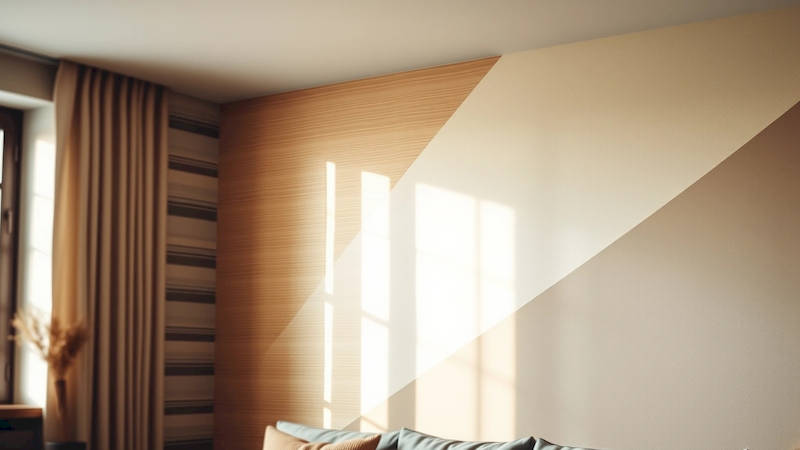
The desire for character and visual interest in our homes is fundamental. Traditionally, wall paneling conjured images of expensive, time-consuming renovations – ripping out drywall, building frames, and a significant commitment of both time and resources. However, a revolution in home décor has made stylish and impactful wall paneling accessible to everyone, without the need for major construction. Today’s options range from peel-and-stick solutions to lightweight molded panels, allowing homeowners and renters alike to transform a room in a weekend. This article will delve into a diverse spectrum of decorative wall paneling ideas that eschew traditional construction methods, providing a comprehensive guide to elevating your interiors with ease and style. We’ll explore materials, installation techniques, design considerations, and the overall impact these solutions can have on your living spaces.
The appeal of wall paneling lies not just in aesthetics, but also in its ability to address specific design challenges. Paneling can add architectural detail to a bland room, create a focal point, define distinct zones within an open-plan area, and even improve a room's acoustic properties. According to a 2023 Houzz survey, searches for “wall paneling” increased by 35% year-over-year, demonstrating a growing trend towards incorporating this feature into modern home design. The shift towards DIY and renter-friendly options has undoubtedly fueled this surge in popularity, making sophisticated design achievable without the commitment of extensive remodeling.
Peel-and-Stick Wood Paneling: Effortless Transformation
Peel-and-stick wood paneling has arguably been the vanguard of the no-construction wall paneling revolution. Made from real wood veneers or high-quality composites, these panels feature a pre-applied adhesive backing, simplifying installation to a remarkable degree. Available in a vast array of wood species, finishes, and panel configurations – from classic shiplap to modern geometric patterns – peel-and-stick paneling caters to a multitude of design styles. A crucial advantage is its suitability for renters, as it typically removes cleanly without damaging the underlying wall surface, a major consideration for temporary living arrangements.
Installation usually involves cleaning the wall surface, planning the layout, peeling off the backing, and firmly adhering the panel to the wall. Many manufacturers recommend using a roller to ensure consistent adhesion and eliminate air bubbles. While often affordable, the quality varies significantly. Investing in a higher-quality product will yield a more realistic wood look and a more durable finish, avoiding the 'sticker' appearance cheaper options can sometimes exhibit. Consider the room's humidity; areas with high moisture levels may require a more robust adhesive or a moisture-resistant panel material.
The versatility of peel-and-stick wood paneling is another key benefit. It's commonly used to create accent walls, wainscoting effects, or to clad entire rooms for a cozy, cabin-like aesthetic. For example, a homeowner in a small condo might use shiplap peel-and-stick paneling in the living room to brighten up the space and add a touch of coastal charm, while a renter could use the same material to create a headboard feature in a bedroom, adding personality without altering the underlying wall.
Molded PVC Wall Panels: Durability and Design
Molded PVC wall panels represent another excellent no-construction solution, particularly well-suited for moisture-prone areas like bathrooms and kitchens. These panels are made from a durable, waterproof plastic material, often mimicking the look of traditional wainscoting, beadboard, or even more elaborate three-dimensional designs. Unlike wood, PVC doesn’t rot, warp, or attract pests, making it a long-lasting and low-maintenance choice. They are surprisingly lightweight, making installation easier than traditional wood alternatives.
Installation methods for molded PVC panels typically involve using construction adhesive and finishing nails. The panels are often designed with interlocking edges for a seamless appearance. While they don't offer the same warmth and natural texture as real wood, the visual impact can be striking, especially when painted to complement the room's color scheme. A significant advantage of PVC is its ease of cleaning; simply wipe down with a damp cloth to remove dirt and grime.
Consider a bathroom renovation where moisture is a constant concern. Using molded PVC panels as a shower surround offers a waterproof and aesthetically pleasing alternative to tile, eliminating the hassle of grout cleaning and minimizing the risk of mold growth. Interior designer Sarah Jameson emphasizes, “PVC panels are a game-changer for bathrooms. They provide the look of detailed paneling without the worry of water damage, and they’re significantly more affordable than many tile options.”
Foam Wall Panels: Textured Statements and Sound Absorption
Foam wall panels have gained immense popularity in recent years, driven by the rise of textured interior design and the increasing focus on home acoustics. Available in a diverse range of patterns, from geometric shapes to organic textures, these panels are incredibly lightweight and easy to install, primarily using adhesive. They’re particularly appealing for creating feature walls, home theaters, or recording studios, as many foam panels offer sound-absorbing properties. The quality of sound absorption varies depending on the density and thickness of the foam.
Installation typically requires measuring and cutting the panels to fit the desired area, applying adhesive to the back of each panel, and carefully pressing it onto the wall. Because they are so lightweight, minimal support is needed during installation. Beyond their acoustic benefits, foam panels introduce a unique tactile element to a room, adding depth and visual interest. They can be painted to match existing décor or create a bold, contrasting statement.
A homeowner creating a home theater might use acoustic foam panels to reduce echo and improve sound clarity. Or, an individual looking to add a modern touch to a bedroom could use geometric foam panels in a neutral color to create a visually striking accent wall. It's important to note that some foam panels are flammable, so be sure to choose fire-retardant options, especially in areas with potential heat sources.
Fabric Wall Panels: Softness and Sophistication
Fabric wall panels introduce textural warmth and sophistication to interior spaces. These panels typically consist of a fabric covering stretched over a lightweight frame, often constructed from wood or foam. They can be installed using adhesive, Velcro, or by creating a simple mounting system with cleats. The fabric choices are virtually limitless, ranging from luxurious velvets to natural linens, allowing for complete customization to match any design aesthetic.
Fabric panels aren’t just about aesthetics; they also offer some degree of sound absorption, helping to dampen noise and create a more peaceful environment. They're especially well-suited for bedrooms, home offices, or media rooms where sound control is desired. Installation often requires some degree of precision, ensuring the fabric is stretched tautly over the frame to avoid wrinkles or sagging. This is an excellent DIY project for those with basic sewing or crafting skills.
Consider a bedroom where you want to create a cozy and calming atmosphere. Installing fabric wall panels behind the bed can act as a soft headboard and add a touch of luxury to the space. Alternatively, fabric panels can be used to cover an entire wall, creating a padded, textured feature that adds visual depth and noise reduction. Offering a softer alternative to hard surfaces, they bring a element of comfort and elegance to any room.
Reclaimed Wood Planks: Rustic Charm and Sustainability
While often associated with more intensive renovation work, reclaimed wood planks can be adapted for no-construction wall paneling with careful planning and the right adhesive. Sourcing reclaimed wood adds character and sustainability to a project, offering a unique aesthetic that cannot be replicated with new materials. Lightweight planks can be adhered directly to the wall using construction adhesive, creating a rustic, textured accent wall.
Preparation is key for reclaimed wood. It’s vital to thoroughly clean and sand the wood to remove any dirt, debris, or splinters. The planks may need to be cut to size to fit the wall, and a plan for the layout should be established beforehand. Because reclaimed wood can be uneven, the adhesive must be applied generously and the planks pressed firmly against the wall. A professional installer can assist with preparing the walls and ensuring a safe and stable application.
Imagine a living room with a modern, minimalist aesthetic. A reclaimed wood accent wall can introduce a captivating contrast, adding warmth, texture, and a touch of history to the space. The imperfections and variations in the wood grain tell a story, creating a unique and inviting atmosphere. Before using reclaimed wood, check local regulations regarding its use and treatment, ensuring it’s free from pests and harmful chemicals.
In conclusion, achieving a beautifully paneled wall is no longer limited to those undertaking major renovations. The availability of innovative, no-construction wall paneling solutions provides incredible flexibility and accessibility for homeowners and renters alike. From the convenience of peel-and-stick wood paneling to the durability of molded PVC and the textural richness of foam and fabric panels, there’s an option to suit every style, budget, and skill level. The key to success lies in careful planning, selecting high-quality materials, and paying attention to detail during installation. By embracing these techniques, you can effortlessly elevate your interiors and create spaces that are both visually striking and uniquely yours. Remember to consider your specific needs, the room's environment, and your design preferences when choosing the perfect wall paneling solution.
Deja una respuesta